Faculty

Nikki Crowley
Director, Neuroscience Institute – University Park; Huck Early Career Chair in Neurobiology & Neural Engineering; Associate Professor of Biology and Biomedical Engineering
Investigation of peptidergic transmission throughout the brain, using cell-specific and pathway-specific manipulations to understand how peptides alter neuronal signaling and behavior, particularly in the context of stress and drug use.
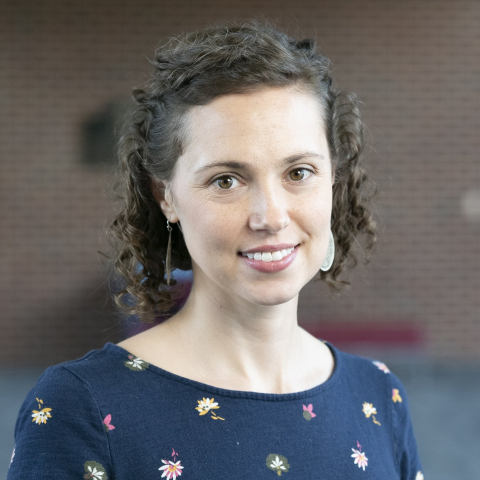
Emily Davenport
Assistant Professor of Biology
Understanding the complex relationship humans have with our microbiomes, using high-throughput sequencing technologies and novel computational and statistical techniques.
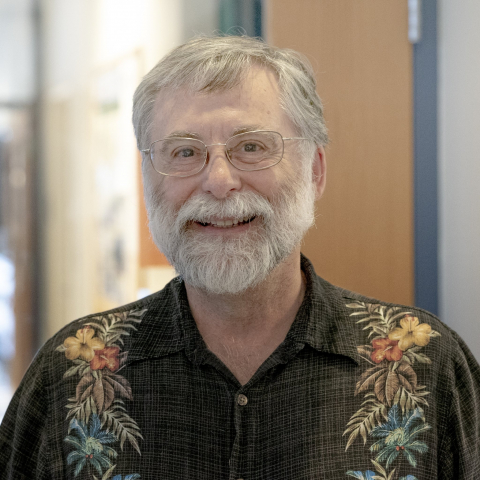
Claude dePamphilis
Director of the Center for Parasitic and Carnivorous Plants; Huck Distinguished Chair in Plant Biology and Evolutionary Genomics; Professor of Biology
Genomics, bioinformatics, and molecular evolution. Origin and diversification of flowers and developmental pathways. Comparative genomics of plants, organelles, and plant gene families. Genomics, evolution, and functional biology of parasitic plants.
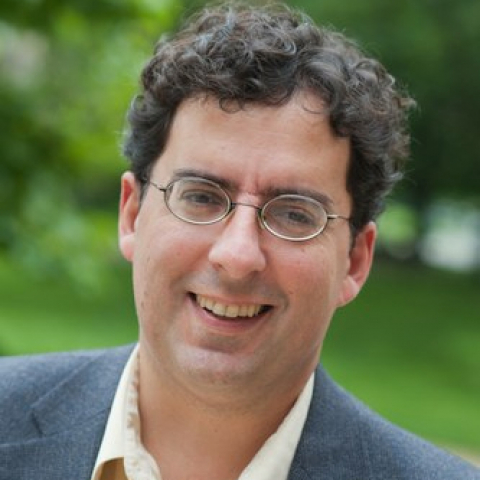
Francisco Diaz
Director of the Center for Reproductive Health and Biology; Associate Professor of Reproductive Biology
Ovarian physiology. Role of SMAD-mediated signaling in follicular and female germ cell (oocyte) development.
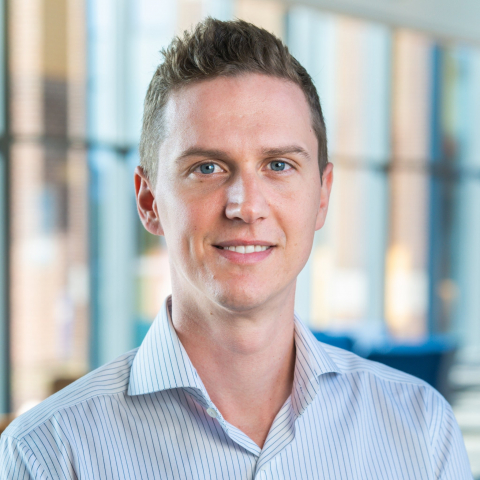
Francisco Dini-Andreote
Huck Early Career Chair in Microbial Community Ecology, Associate Professor of Plant Science
Microbiome, plant-microbe interactions, and community ecology. Harnessing the plant microbiome to enhance protection against biotic and abiotic stresses.
Patrick Drew
Associate Director, Huck Institutes of the Life Sciences; Professor of Engineering Science and Mechanics, of Neurosurgery, of Biology, and of Biomedical Engineering
Optical imaging of brain dynamics during sleep and behavior; Role of blood flow and cerebrospinal fluid movement in neurodegenerative disease
Manyu Du
Assistant Professor of Biochemistry and Molecular Biology
How transcription machineries and regulatory DNA elements organize in 3D in the nucleus to regulate gene expression.
Edward Dudley
Professor of Food Science; Director of E. coli Reference Center
Mechanisms driving toxin production in Shiga-toxigenic Escherichia coli; use of genome sequencing to track pathogen transmission during foodborne outbreaks
Robert Eckhardt
Professor
Genetic and environmental influences on growth and development in human populations.

Marina Feric
Assistant Professor of Biochemistry and Molecular Biology
Biomolecular engineering of cellular organization. Biophysical mechanisms underlying biomolecular condensates in health and disease.
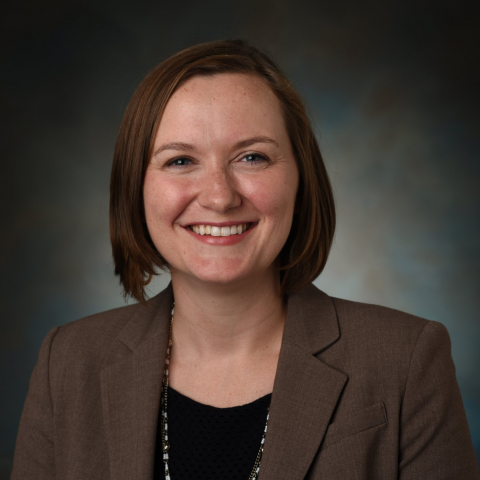
Lindsay Fernandez-Rhodes
Assistant Professor of Biobehavioral Health
The genetic epidemiology of complex diseases in diverse human populations and contexts.
Majid Foolad
Professor of Plant Genetics
Genetic characterization of resistance/tolerance to biotic/abiotic stresses, and genes/QTLs contributing to tomato fruit quality. Investigation of genes/QTLs for directed crop improvement and germplasm enhancement. Tomato cultivar development & release.
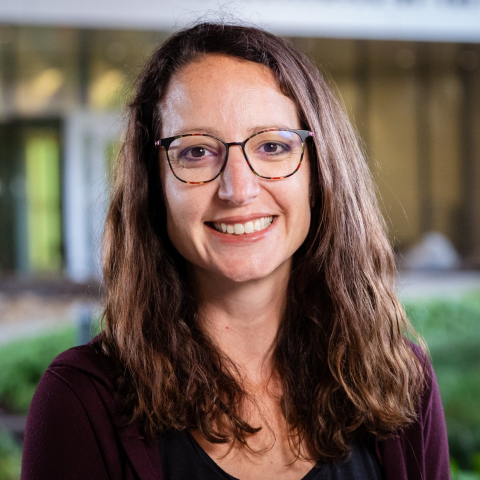
Sagan Friant
Assistant Professor of Anthropology
Evolutionary anthropology of human health, disease ecology, nutrition, socio-ecological systems, bushmeat hunting, Nigeria.
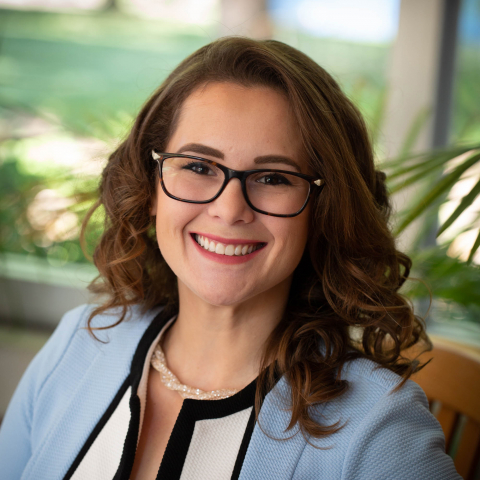
Erika Ganda
Emphasis Area Representative, Microbiome Sciences; Associate Professor of Food Animal Microbiomes
Developing practical ways to leverage the microbiome to improve food safety and improve food production animals' production efficiency.
David Geiser
Professor of Mycology
Genomics of fungi, applied to the evolution of plant and animal disease, toxin production, and beneficial roles. Fungal phylogenetics and population genetics, especially in Fusarium, and sequence-based identification tools. Identification of unique pathogen-specific genomic regions in pathogens, and diagnostic markers.
Santhosh Girirajan
Professor of Genomics; Professor of Anthropology; Department Head of Biochemistry and Molecular Biology
Understanding the genetic basis of neurodevelopmental disorders.
Adam Glick
Emphasis Area Representative, Cancer Biology; Professor of Molecular Toxicology and Carcinogenesis;
The role of Transforming Growth Factor-beta in cutaneous inflammation and cancer development, and how the immune system responds to epithelial cells with activated oncogenes such as Ras. Signaling pathways that regulate senescence of premalignant epithelial cells and how cells escape from oncogene-induced senescence.
Esther Gomez
Professor of Chemical Engineering and Biomedical Engineering
How the interplay of chemical and mechanical signals acts to control cell behavior and function and the progression of disease.
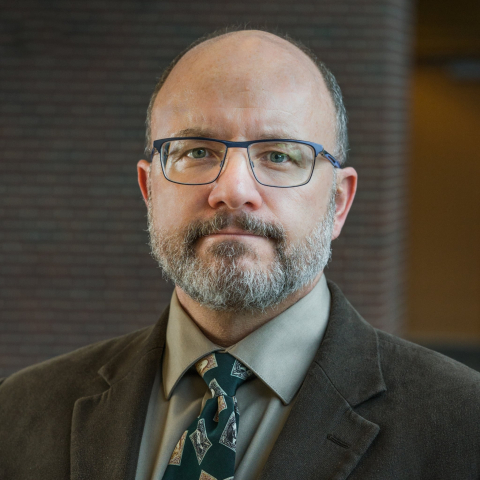
Thomas Gould
Jean Phillips Shibley Professor and Department Head of Biobehavioral Health
Using genetic, pharmacological, behavioral, and molecular biological techniques to study the neurobiology of learning and memory and the effects of addiction on it.
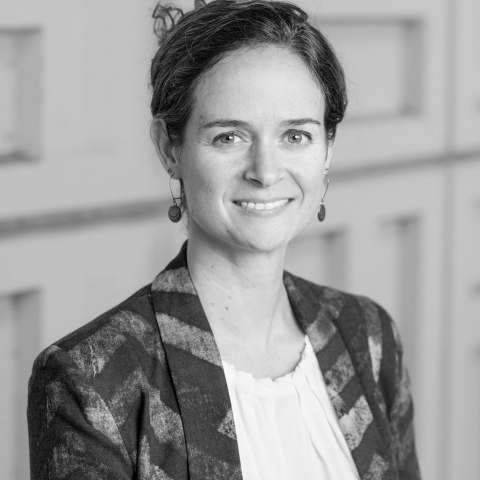
Jessica Grembi
Assistant Professor of Pharmacology
The biological mechanisms underlying persistent childhood undernutrition