Computational Analysis, Theory, and Statistics
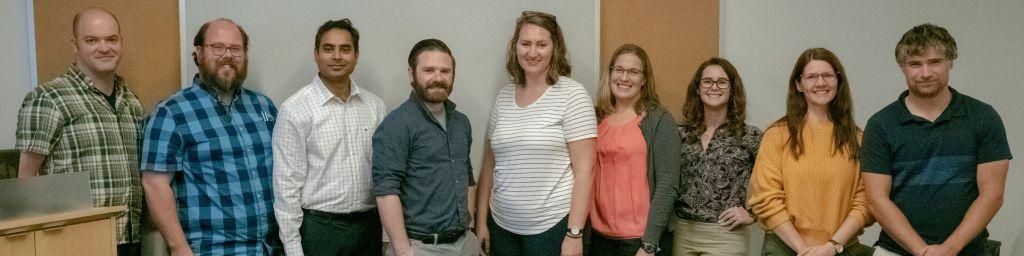
New insights into microbiome research can be realized by viewing old data with a new lens. Several of our core Center members are developing novel computation and statistical techniques and tools to examine big data sets.
To see an example of how our Center provides workshops on computational and statistical analyses of microbiome data sets, check out our GitHub page on previous and upcoming workshops, including our annual Kick-Start Bioinformatics workshop for incoming graduate students.
Faculty Working in Computational Analysis, Theory, and Statistics
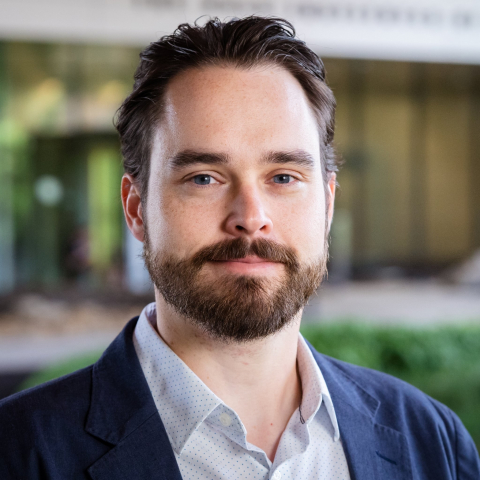
Jordan Bisanz
Assistant Professor of Biochemistry and Molecular Biology
The interface of microbiology and bioinformatics, with approaches including genomics and metabolomics to investigate the interplay of diet, drugs, and the gut microbiome.
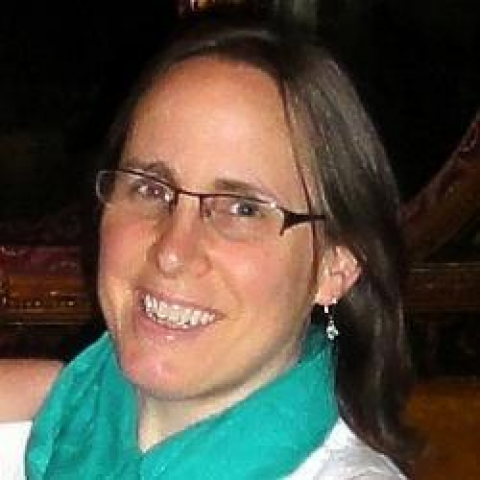
Elizabeth Boyer
Professor of Environmental Science
Hydrology, Biogeochemistry, Environmental Systems, Water Quality.
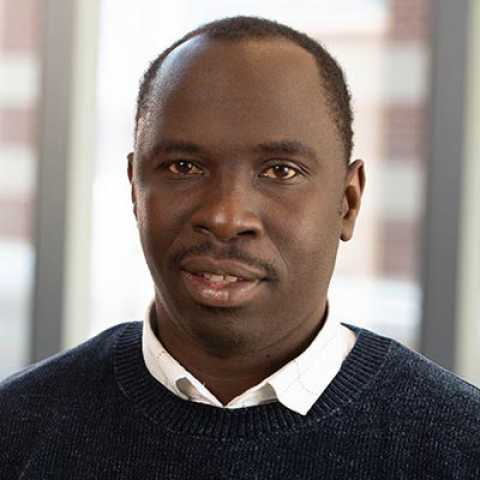
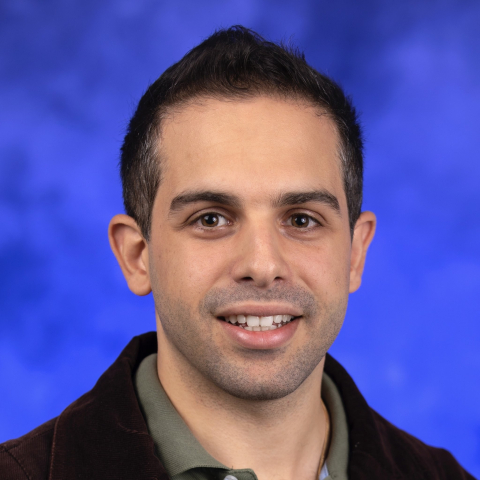
Ilias Georgakopoulos-Soares
Assistant Professor
The development and implementation of new computational methods in genomics and molecular biology, with the aim of identifying genetic biomarkers for the diagnosis, monitoring, and treatment of human diseases, including bacterial and viral infections and of aging-associated diseases including neurodegenerative diseases and cancer.
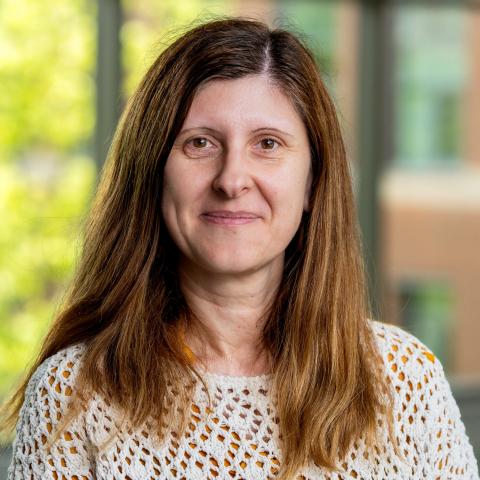
Camelia Kantor
Associate Director of Strategic Initiatives; Research Professor
Camelia Kantor is a highly interdisciplinary geospatial researcher and integrator. Before joining Huck, her prior work involved HBCU teaching, research and training and national security related program assessment and management. Her research interests are at the intersection of geospatial, life sciences, and business. Since 2010, she has been a frequent speaker, conference lead, and academic program evaluator.
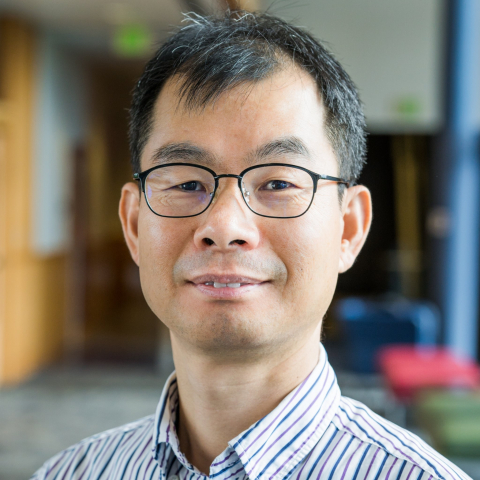
Imhoi Koo
Associate Research Professor
Develop pipeline and algorithms
of metabolomics data processing.
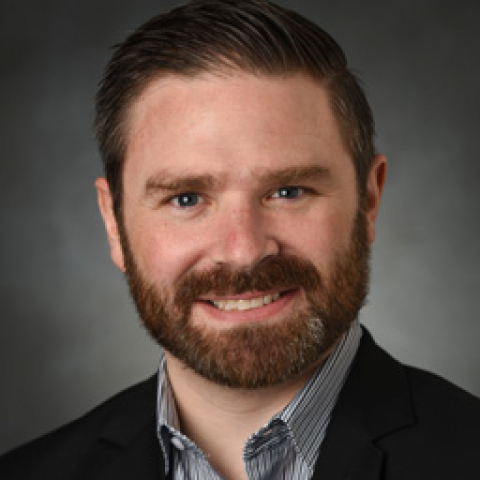
David Koslicki
Chair, Intercollege Graduate Degree Program in Bioinformatics and Genomics; Associate Professor of Computer Science and Engineering and Biology
Developing efficient algorithms to extract insight from high-throughput sequencing data.
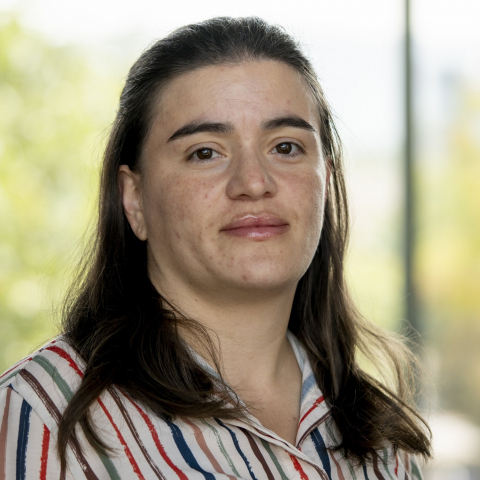
Veronica Roman-Reyna
Assistant Professor of Global Change Pathology
I work on understanding how plant-associated microbes change in agricultural systems.

Ashley Shade
Environmental microbiome resilience and the ecological mechanisms that support stable microbial functions within ecosystems facing climate change
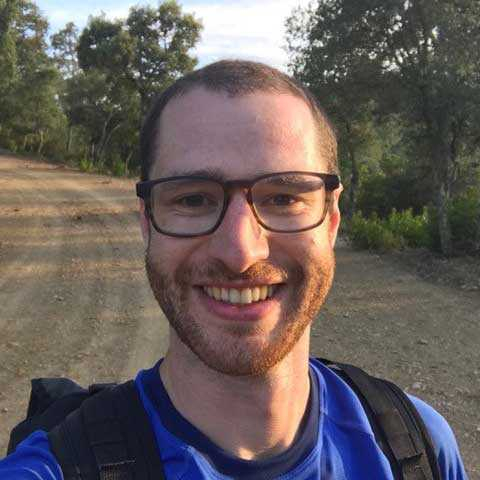
Justin Silverman
Assistant Professor of Information Sciences and Technology
Statistical methods for the analysis of biomedical data (or any other interesting data/questions)
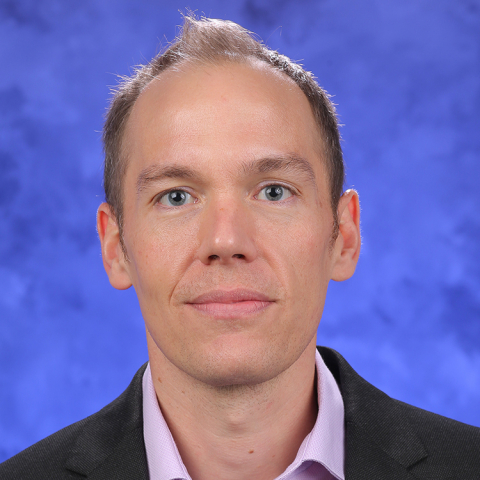

Andres Valdez
Assistant Research Professor
Studies the interactions between Bacteria, Nutrients, and Phage in physically structured domains.