News
Jul 13, 2023
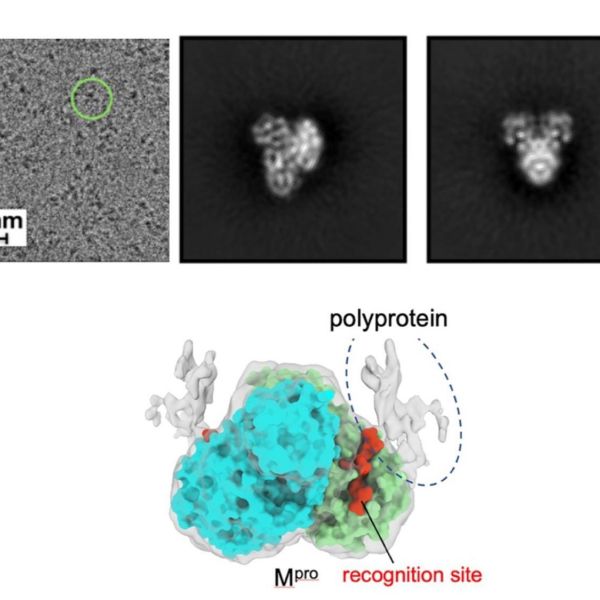
Essential process for SARS-CoV-2 viral replication visualized
During the replication of the SARS-CoV-2 virus, a long string of connected proteins is cleaved apart into individual proteins. This process is interrupted by an FDA-approved drug to treat COVID-19; however, the mechanistic details of this cleavage process are still unclear. Now, a team led by researchers at Penn State has produced the most detailed images to date of this process, revealing that these proteins are cleaved in a consistent order likely dictated by the structure of the protein string.
Full Article
Apr 14, 2023
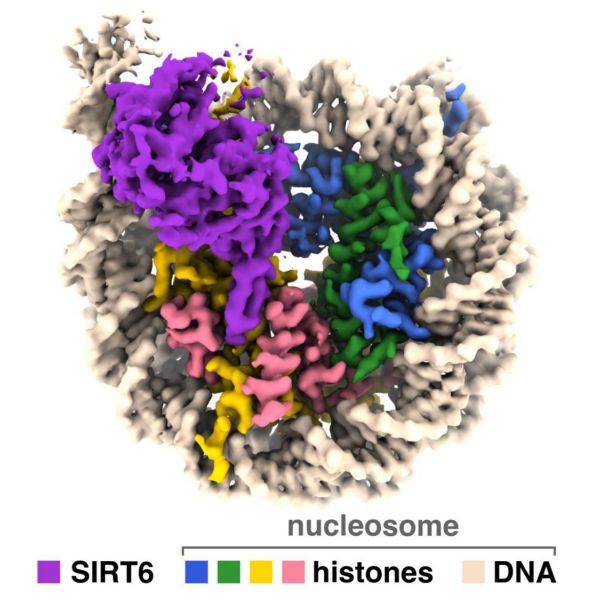
How does an aging-associated enzyme access our genetic material?
New research provides insight into how an enzyme that helps regulate aging and other metabolic processes accesses our genetic material to modulate gene expression within the cell. A team led by Penn State researchers have produced images of a sirtuin enzyme bound to a nucleosome — a tightly packed complex of DNA and proteins called histones — showing how the enzyme navigates the nucleosome complex to access both DNA and histone proteins and clarifying how it functions in humans and other animals.
Full Article
Feb 16, 2023
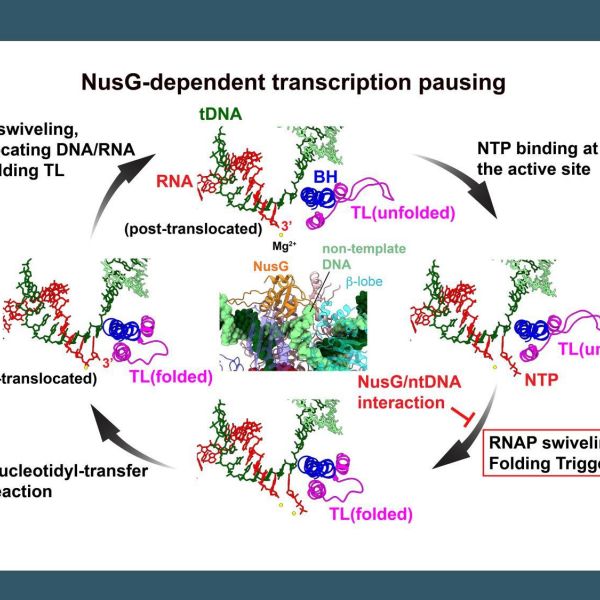
DNA stuck in the gears of the RNA production machine
Precise control of gene expression — ensuring that cells make the correct components in the right amount and at the right time — is vital for all organisms to function properly. Cells must regulate how genes encoded in the sequence of DNA are made into RNA molecules that can carry out cellular functions on their own or be further processed into proteins.
Full Article
Jul 30, 2021
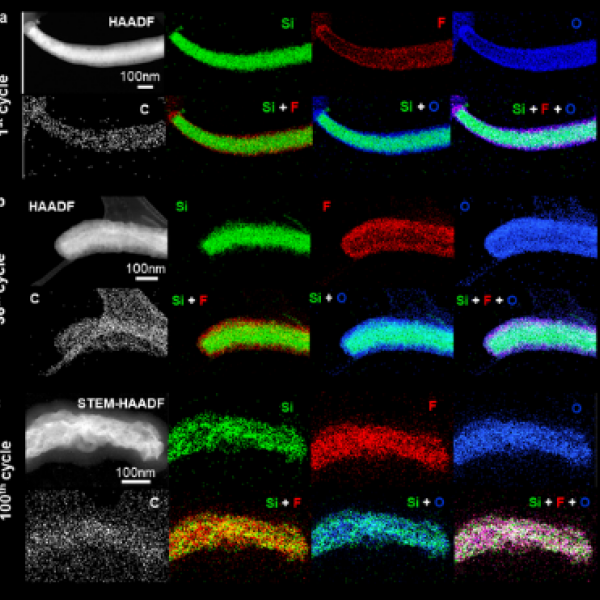
Novel method of imaging silicon anode degradation may lead to better batteries
A novel method of characterizing the structural and chemical evolution of silicon and a thin layer that governs battery stability may help resolve issues that prevent using silicon for high-capacity batteries, according to a group of researchers.
Full Article
Jun 03, 2021
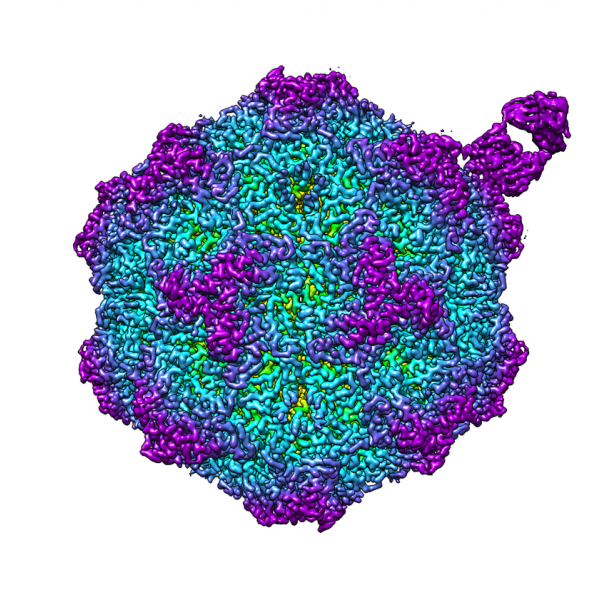
New images of canine parvovirus may help predict how virus jumps to new species
Canine parvovirus (CPV) is a highly infectious pathogen that causes severe diseases in unvaccinated dogs, including inflammation of the heart and acute gastrointestinal illness. Originating in cats, the virus is a rare example of a DNA-based virus that can jump between species, and a team of researchers’ discovery may help in predicting this and the virus’ ability to evolve, which could have implications for current vaccines used in dogs.
Full Article
Jan 25, 2021
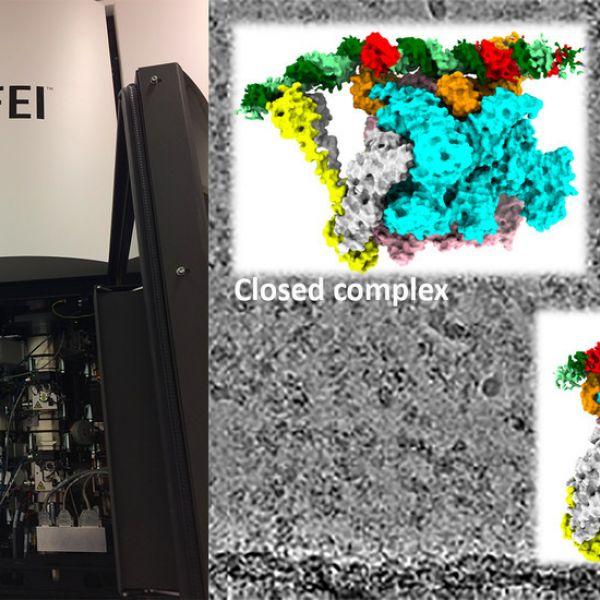
Regulating the ribosomal RNA production line
Cryo-electron microscopy study allows researchers to visualize structural changes in an E. coli enzyme synthesizing ribosomal RNA that shift it between turbo- and slow-modes depending on the bacteria’s growth rate
Full Article
Nov 23, 2020
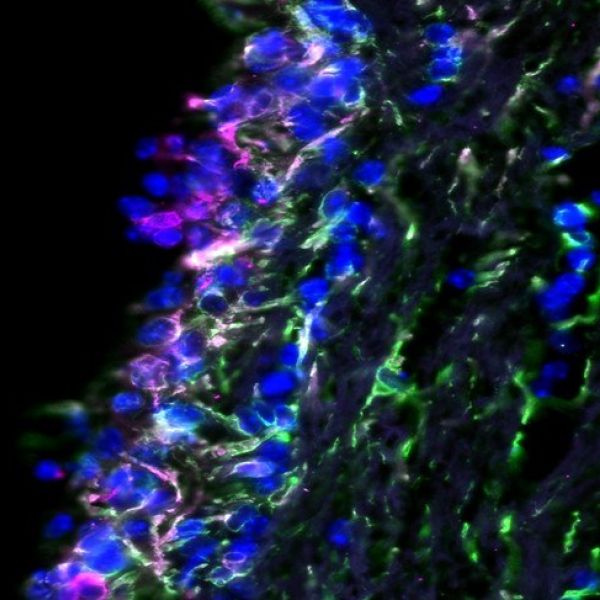
Altered 'coat' disguises fatal brain virus from neutralizing antibodies
A genetic modification in the ‘coat’ of a brain infection-causing virus may allow it to escape antibodies, according to Penn State College of Medicine researchers.
Full Article
Feb 07, 2020
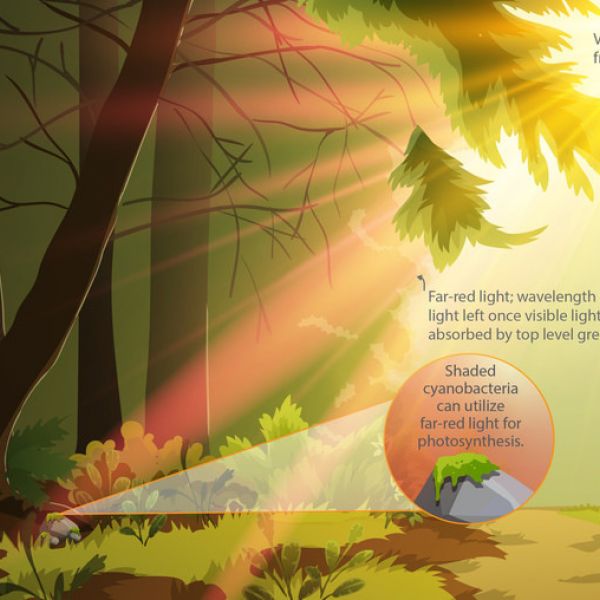
Scientists solve structure enabling cyanobacteria to thrive in low light
Scientists have determined the structure of the protein complex that gives cyanobacteria their unique ability to convert weak, filtered sunlight into useable energy. Their findings could one day be used to engineer crops that thrive under low-light conditions.
Full Article
Sep 24, 2019
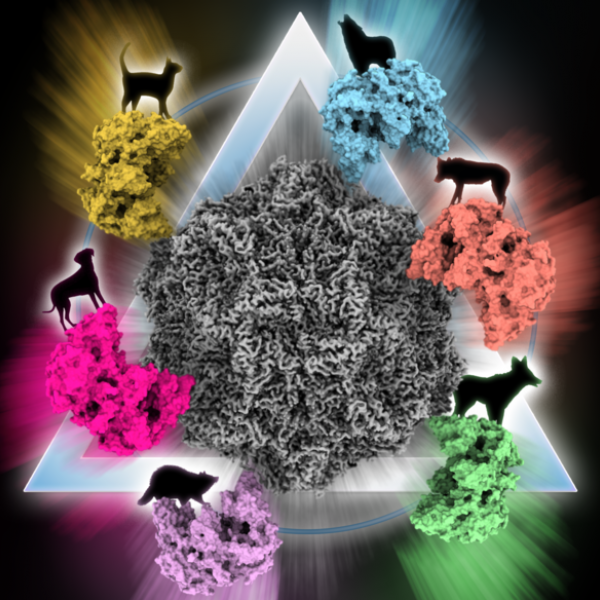
Virus may jump species through 'rock-and-roll' motion with receptors
Like a janitor thumbing through a keychain to find just the right key to open a lock, the "rock-and-roll" motion of the canine parvovirus during the binding process may help explain how the virus can find the spot on a receptor to infect not just dogs, but multiple species, according to an international team of researchers.
Full Article
Aug 19, 2019
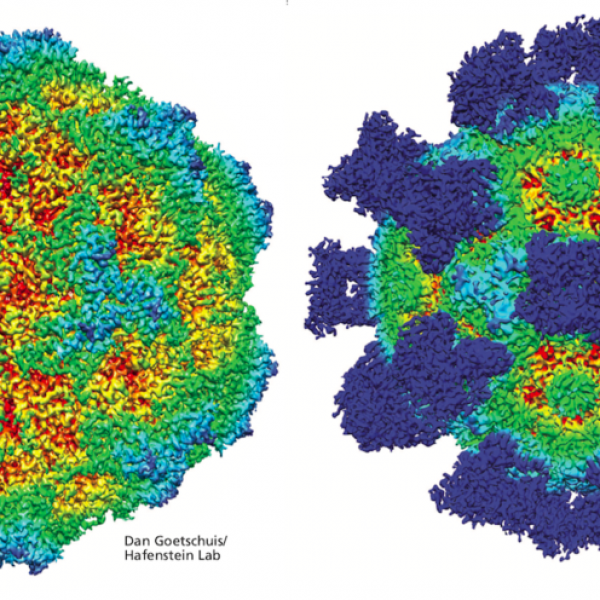
Resolution Revolution: Penn State welcomes a new era of atomic-level imaging with cryo EM facility
Using extreme cold to arrest fluid samples in motion, cryo EM allows researchers to see proteins, clusters of molecules, and viruses with astounding clarity—to the point where individual atoms may become visible.
Full Article