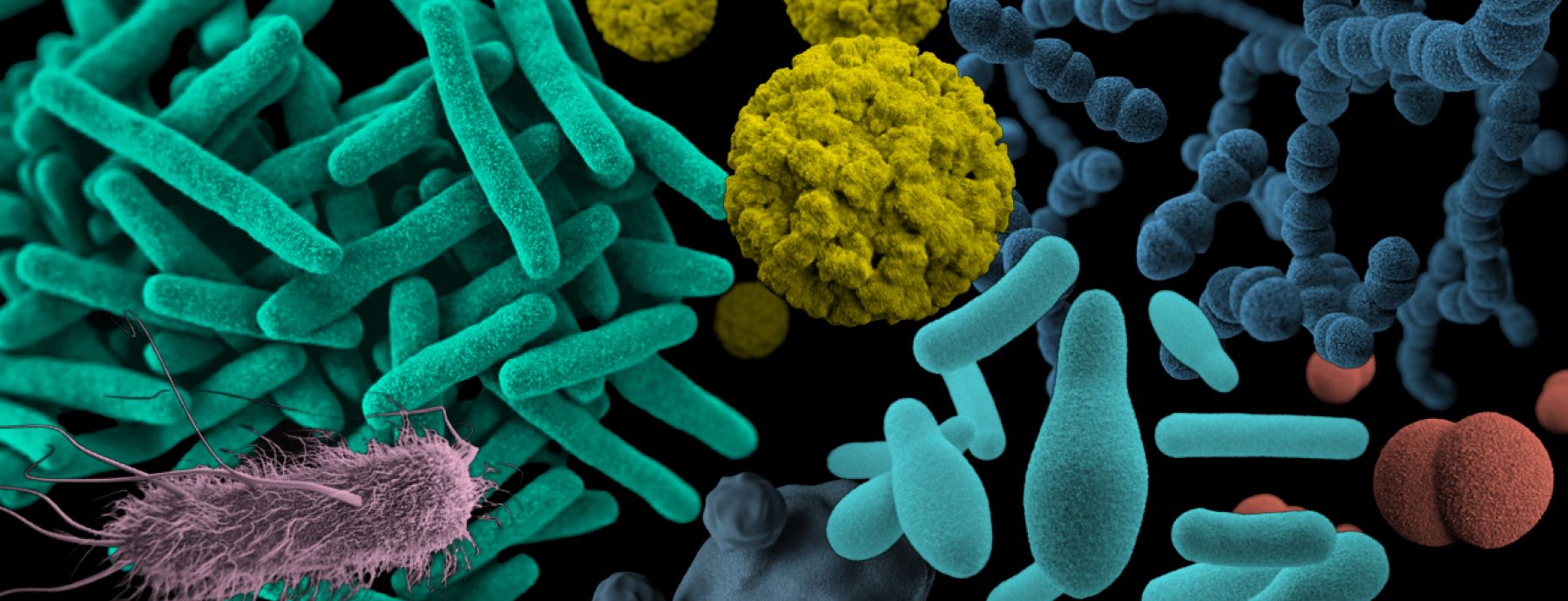
Microbiomes are communities of microorganisms (e.g., bacteria, fungi, viruses, archaea, and protozoa) that inhabit an environment, including plants, animals, soils, oceans, and our homes. As we peer into our bodies, half of the cells in a human are microbes, and the gene catalogue of these human-associated microbes dwarfs that of our own human genome by at least 100-fold. Members of the microbiome can range from helpful to harmful, but notably the vast majority do not cause disease. As a collective, microbial assemblages and their genomes have profound impacts on solutions related to agricultural production, human chronic diseases, and ecosystem stability, among others. As we break ground on understanding how these diverse communities impact life, it is clear that the new study of the microbiome is central to biological systems, education, and applications in a rapidly changing world.
The center deeply embodies my vision for growing interdisciplinary excellence
—Penn State President Neeli Bendapudi, November 2024
550
Members
$224M
Awarded Funding
42+
Departments
100
Country Collaborations
9
American Academy of Microbiology Fellows
2000+
Publications in a Five-Year Period
First Ph.D
In Microbiome Science
Pierce Prize