News

Jun 04, 2026
Huck seeks grad students for immersive facility assistantships
The Huck Institutes of the Life Sciences is seeking applicants for four half-time (20-hour) graduate assistantships within Huck Core Facilities during the fall 2026 semester. Graduate assistants will be placed in a single Huck core facility, chosen by the student, for hands-on experience with that facility’s technologies and applications. The assistants will contribute to projects involving the development, optimization, or application of methods and technologies within the selected facility
Full Article

Dec 17, 2025
Opposing forces in cells could hold clues to treating disease
A newly revealed molecular tug-of-war may have implications for better understanding how a multitude of diseases and disorders — including cancers, neurodegenerative diseases and immune disorders — originate, as well as how to potentially treat them, according to researchers at Penn State.
Full Article

Oct 06, 2025
Core facilities open house welcomes new researchers
More than 120 researchers attended the first-ever Huck Core Facilities Open House last month, which featured informational posters, opportunities to talk with facilities staff, and even some interactive demonstrations.
Full Article
Feb 11, 2025
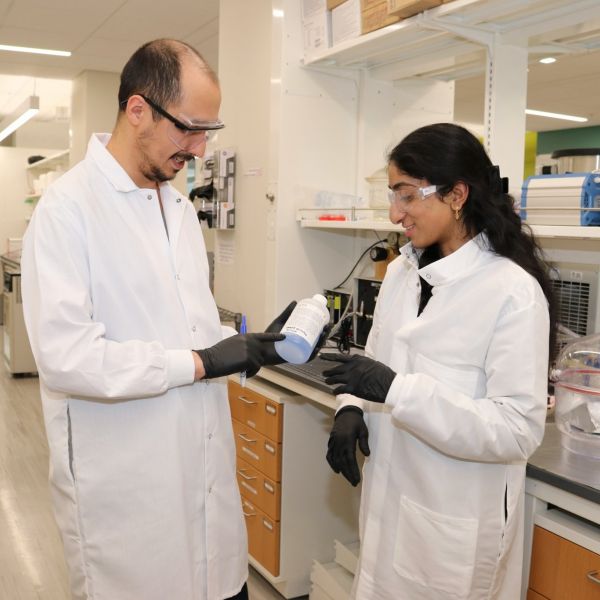
Sustainable Labs Program increases participant engagement, welcomes new labs
Two upcoming virtual sessions will cover how labs can learn more and join next year’s cohort.
Full Article

Jul 30, 2024
Craig Praul named director of Huck Core Facilities
Joining Praul on the new leadership team are Rajeswaran Mani, director of the Flow Cytometry Facility, and financial specialist Kelly Foster.
Full Article
Nov 04, 2022
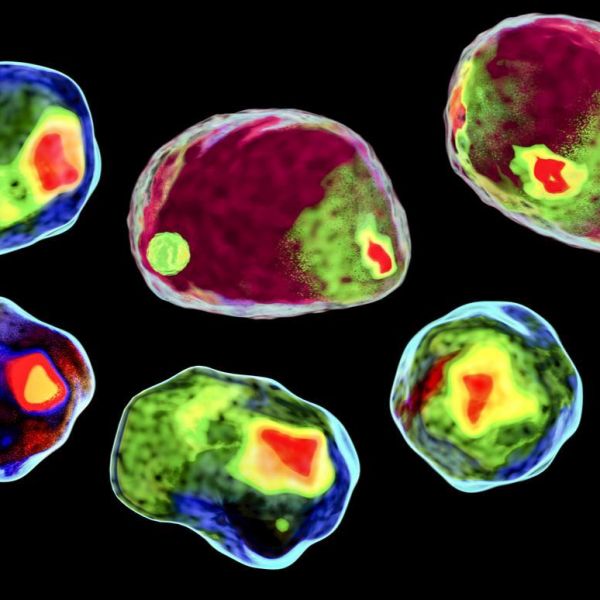
Flow Cytometry Core Facility provides cell analysis expertise to scientists
The Penn State Flow Cytometry Core Facility on the University Park campus, is equipped with flow cytometers and cell sorters that enable researchers to examine suspended cells within the size range of the submicron to 50 micron. One micron is one thousandth of a millimeter.
Full Article
Jul 02, 2020
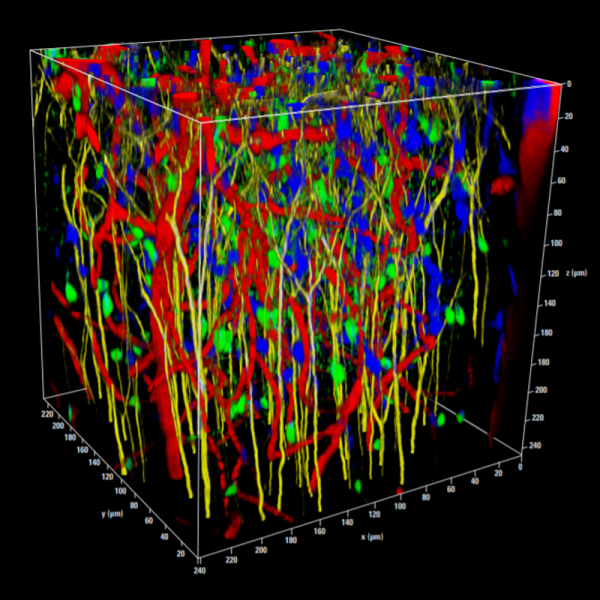
Newly acquired Leica SP8 DIVE Multiphoton Microscope enables deep in vivo imaging
Penn State researchers will be able to perform experiments that could not be achieved before. This acquisition will promote research in areas such as neurobiology, cell biology, microbiology, plant physiology, animal sciences and medicine, and beyond.
Full Article
Feb 25, 2019
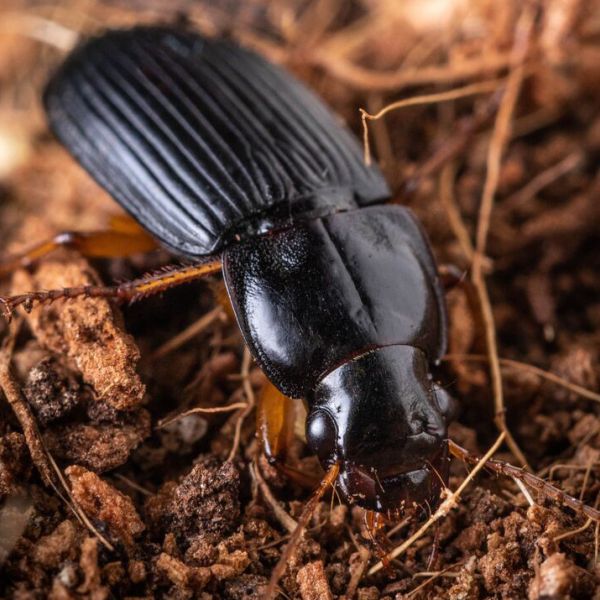
Material that shields beetle from being burned by its own weapons holds promise
Carabid beetles produce caustic chemicals they spray to defend themselves against predators, and the compound that protects their bodies from these toxic substances shows promise for use in bioengineering or biomedical applications, according to Penn State researchers.
Full Article

Jan 09, 2019
Huck Researchers Awarded Tyge Christensen Prize
Gang Ning, director of Penn State’s Microscopy & Cytrometry Facility, Todd LaJeunesse, associate professor of biology at Penn State, and Drew Wham, a former graduate student in LaJeunesse’s lab, have been selected to receive the 2017 Tyge Christensen Prize by the International Phycological Society
Full Article
Nov 06, 2018
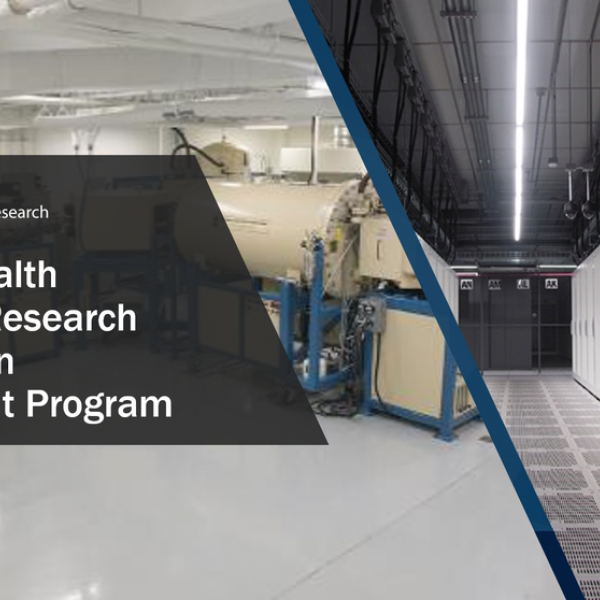
Partnership announced between Commonwealth Campuses and shared facilities
The Office of the Vice President for Research at Penn State has announced the launch of a new program to support increased usage of shared core facilities and services by faculty at the Commonwealth Campuses.
Full Article