Directory
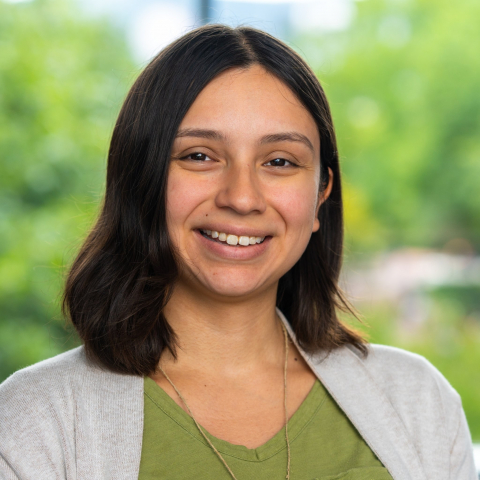


Timothy McNellis
Associate Professor of Plant Pathology & Environmental Microbiology
Genetics, molecular biology and physiology of plant interactions with phytopathogenic bacteria. Signal transduction events involved in plant disease resistance. Genetic control of plant hypersensitive cell death.
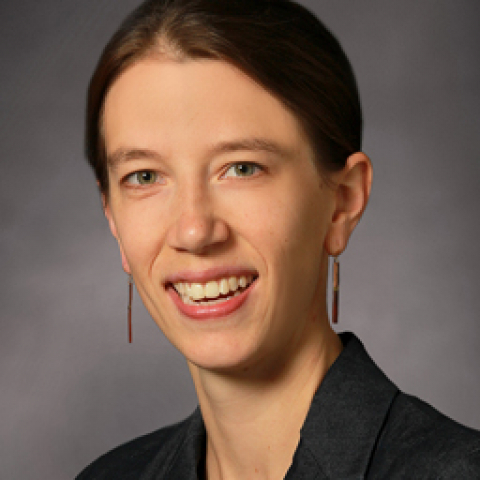
Lauren McPhillips
Assistant Professor of Civil and Environmental Engineering
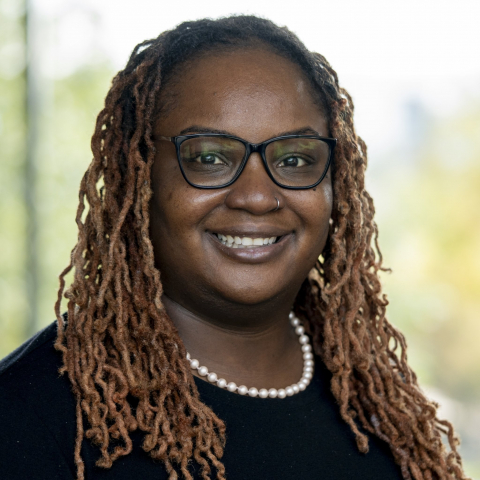
Melanie McReynolds
Huck Early Career Chair in Biochemistry and Molecular Biology; Assistant Professor of Biochemistry and Molecular Biology
The biochemistry behind aging and its intersection with stress, with the long-term goal of identifying strategies that promote healthier aging.

Scott Medina
Director, Center for Biodevices; Korb Early Career Associate Professor of Biomedical Engineering
Design of bio-inspired functional materials that serve as new tools in precision medicine. Understanding how peptides and proteins assemble at natural and non-natural interfaces to form organized structures with unique biochemical functions. The design of nano- and micro-scale biomaterials to develop new biosensing and therapeutic strategies to treat infectious disease, inflammation and cancer.
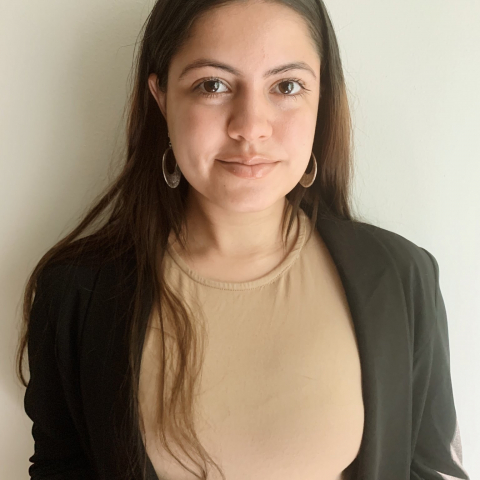
Melanie Medina López
Postdoctoral Researcher
Soil micropredators for plant pathogen control
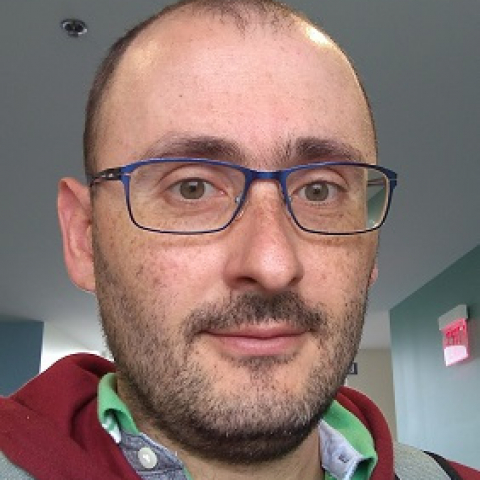
Paul Medvedev
Director of the Center for Computational Biology and Bioinformatics; Professor of Computer Science and Engineering; Professor of Biochemistry and Molecular Biology
Please see the researcher's homepage at http://medvedevgroup.com
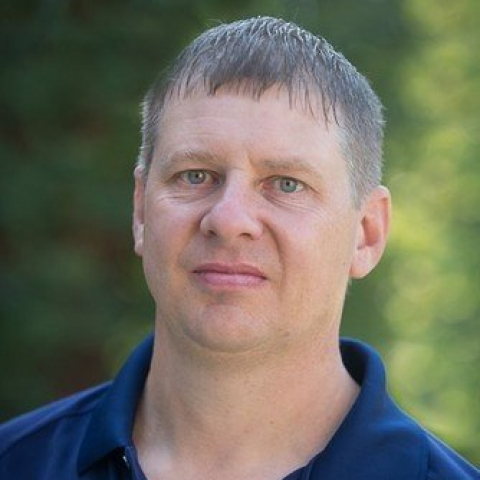

Michele Mekel
Associate Teaching Professor of Bioethics and Humanities
The nexus of health care, law, policy, ethics, arts, humanities, and education
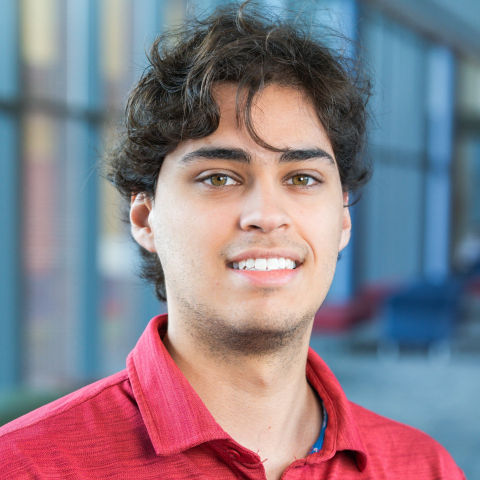
Timothy Meredith
Professor of Biochemistry and Molecular Biology
Understanding how bacterial cell surface complex lipids are synthesized, to characterize structural modifications in response to varying growth environments, and to uncover how these changes are regulated.

Craig Meyers
Distinguished Professor of Microbiology and Immunology
The differentiation-dependent life cycle of human papillomavirus (HPV) and HPV-associated oncogenesis.
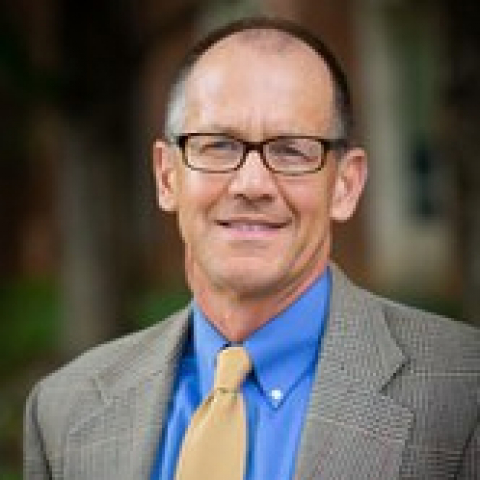
Judd Michael
Nationwide Insurance Professor of Safety & Health; Professor of Agricultural and Biological Engineering