News
Mar 18, 2025
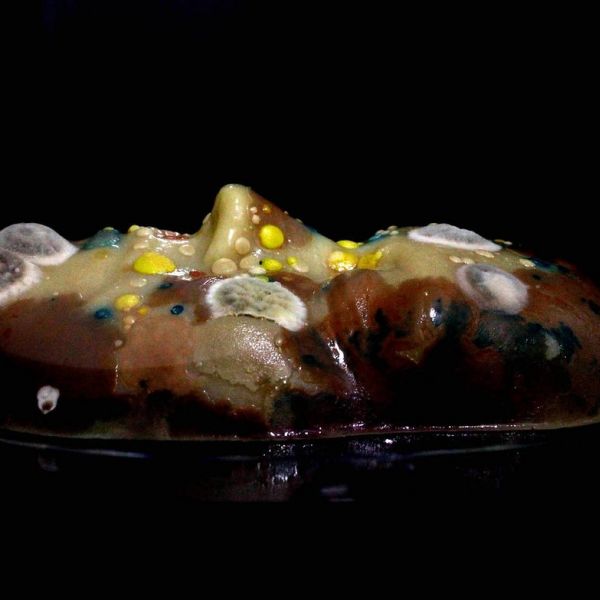
BioArtist Mellissa Monsoon to present 'Collaborating with Microbes'
The One Health Microbiome Center and College of Arts and Architecture are co-hosting three events as part of a multi-year SciArt collaboration.
Full Article

Mar 17, 2025
Ag Sciences research institute SAFES funds projects addressing critical issues
Penn State’s College of Agricultural Sciences, through its Institute for Sustainable Agricultural, Food and Environmental Science, known as SAFES, announced funding awards to accelerate the advancement of its Critical Issues Initiatives. These initiatives serve as the college’s impact hubs, addressing urgent and high-impact challenges through targeted efforts and innovative projects.
Full Article

Mar 17, 2025
Virtual lecture to explore the importance of maintaining healthy ecosystems
On March 25, Erika Ganda, an assistant professor in Penn State’s Department of Animal Science, will discuss via Zoom how microbes in animals, people and the environment are interconnected through a concept known as “One Health.” The lecture is part of the Penn State Alumni Association's Virtual Speaker Series.
Full Article
Mar 17, 2025
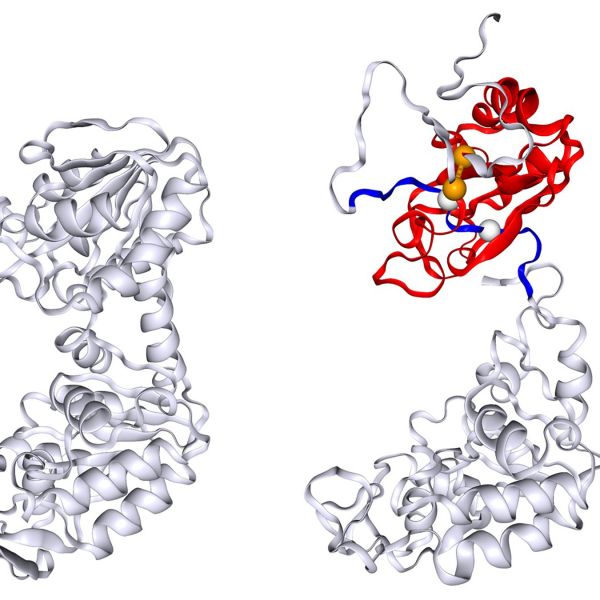
Protein accidentally lassos itself, helping explain unusual refolding behavior
New study demonstrates a potential protein misfolding mechanism that could solve a decades-old mystery of why some proteins refold in a different pattern than expected.
Full Article

Mar 14, 2025
Plant biologist awarded the Masatoshi Nei Innovation Prize in Biology
Sarah Assmann, Waller Professor of Plant Biology at Penn State, has been awarded the Masatoshi Nei Innovation Prize in Biology. The award was established through a generous gift from Masatoshi Nei, professor emeritus of biology at Penn State; Laura Carnell, professor of biology at Temple University; and Nei’s wife, Nobuko Nei. The prize is intended to recognize a preeminent scientist who is on the faculty at Penn State, is an innovator in their field, and has achieved outstanding scientific research and leadership in the biological sciences.
Full Article
Mar 12, 2025
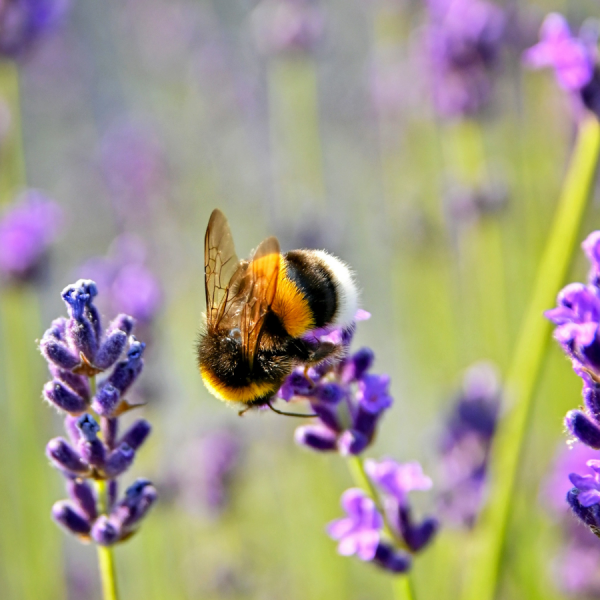
Analyzing genetic ‘signatures’ may give insight into what stresses wild bees
A new method of examining gene expression patterns called landscape transcriptomics may help pinpoint what causes bumble bees stress and could eventually give insight into why bee populations are declining overall.
Full Article
Mar 04, 2025
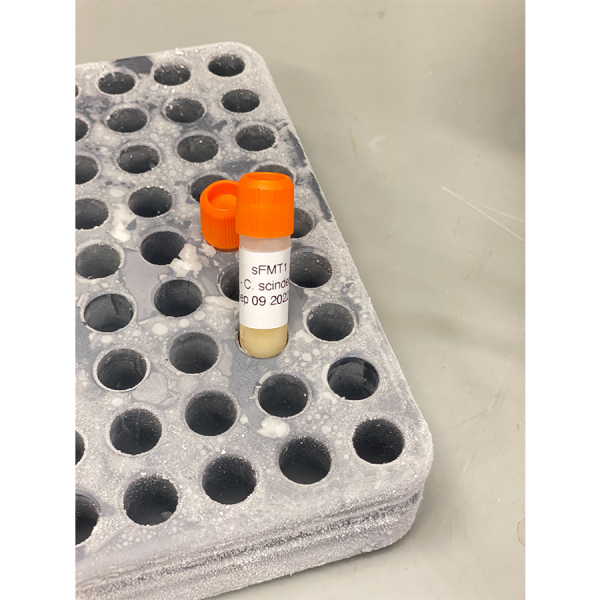
Synthetic microbiome therapy suppresses bacterial infection without antibiotics
Precise, targeted treatment using limited strains of gut bacteria effectively protected against C. difficile infection, severe symptoms and recurrent infections in mice.
Full Article
Mar 03, 2025
'Growing Impact' discusses environmental contaminants, human health
The latest episode of Growing Impact discusses how environmental contaminants affect human health, a research focus for Penn State professors Andrew Patterson and Costas Maranas.
Full Article
Feb 20, 2025
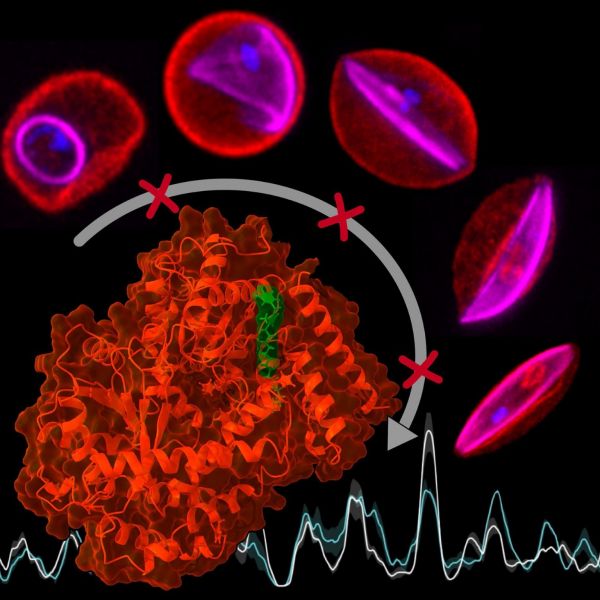
Disrupting parasite gene regulation reveals new malaria intervention strategy
Malaria's deadliest parasite relies on precise gene regulation to survive. A new multinational study, including Penn State scientists, reveals key insights into these control mechanisms.
Full Article
Feb 20, 2025
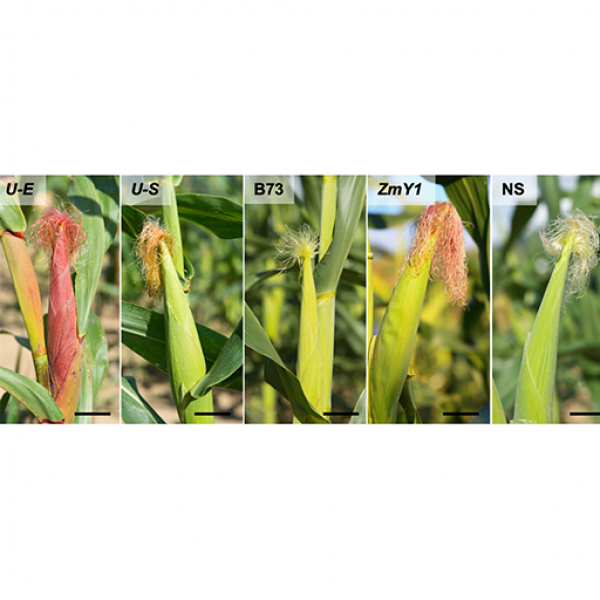
Select corn lines contain compounds that sicken, kill major crop pest
The compounds, called flavonoids, have an insecticidal effect on corn earworm larvae.
Full Article