News
Jun 09, 2025
Two Penn State doctoral students selected for industry internship in Germany
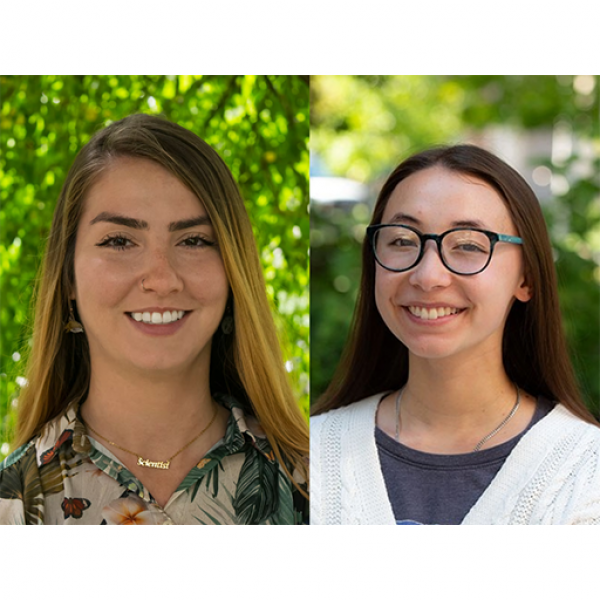
The One Health Microbiome Center (OHMC) in the Huck Institutes of the Life Sciences at Penn State is sending two doctoral students to Hilden, Germany, for a seven-week industry internship at the headquarters of QIAGEN, a global leader in biotechnology for life sciences diagnostics, equipment and research.
Full Article
Jun 04, 2025
$2.9M grant funds study on long-term effects adolescent binge drinking
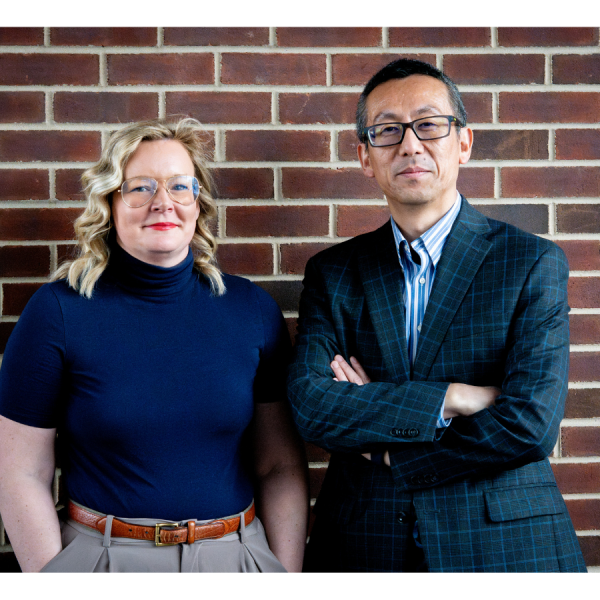
An interdisciplinary team of researchers at Penn State will use a new five-year, $2,900,000 grant to investigate the long-term effects of excess alcohol drinking during adolescence.
Full Article

Jun 02, 2025
Huck opens search for Associate Director for Graduate Education
The Huck Institutes of the Life Sciences is seeking an innovative Penn State faculty member with a strong background in interdisciplinary life sciences research and a passion for teaching and mentoring graduate students to join our Huck leadership team as an Associate Director for Graduate Education.
Full Article

May 29, 2025
Biology professor, Huck associate operations director to retire
After a decade of service to the Huck Institutes of the Life Sciences and a distinguished academic career spanning four decades, James Marden, professor of biology and associate director of operations, will retire from Penn State at the end of June.
Full Article

May 08, 2025
Biological physicist Réka Albert elected to National Academy of Sciences
Réka Albert, Evan Pugh University Professor and professor of physics and biology at Penn State, has been elected to the National Academy of Sciences.
Full Article
May 07, 2025
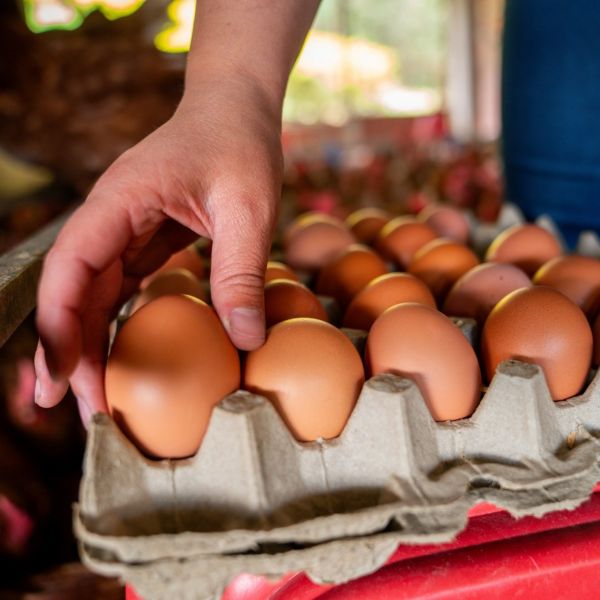
Common diabetes drug helps chickens lay more eggs
Metformin, a drug commonly prescribed to humans, could be a game-changer for farms and food production, researchers said.
Full Article

Apr 30, 2025
Celebrating James Marden: A Decade of Impact and a Lifetime of Achievement
After a decade of exceptional service to the Huck Institutes of the Life Sciences and a distinguished academic career spanning four decades, James Marden, professor of biology and associate director of operations, will retire from Penn State at the end of June 2025.
Full Article

Apr 29, 2025
Heather Hines named interim director of the Center for Pollinator Research and the Insect Biodiversity Center
Heather Hines, Associate Professor of Biology and Entomology, has been named Interim Director of the Center for Pollinator Research (CPR) and the Insect Biodiversity Center (IBC). Hines is succeeding Christina Grozinger, Publius Vergilius Maro Professor of Entomology and director of the Huck Institutes of the Life Sciences.
Full Article

Apr 29, 2025
HGSAC prepares for largest Life Sciences Symposium yet
The Life Sciences Symposium, organized by the Huck Graduate Student Advisory Committee (HGSAC), is set to showcase student research on May 23.
Full Article
Apr 24, 2025
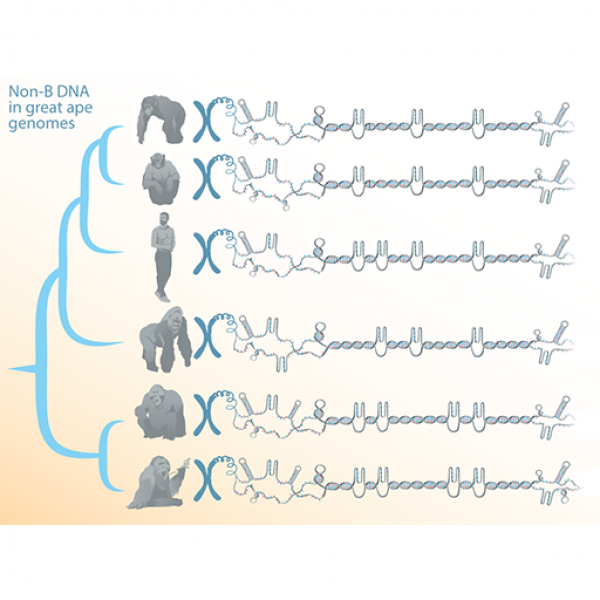
Beyond the double helix: Alternative DNA conformations in ape genomes
Researchers used recently published telomere-to-telomere genomes of humans, chimpanzee, bonobo, gorilla and two orangutans to predict locations of DNA sequences that can form other structures besides the double helix.
Full Article