News

May 31, 2019
NIFA awards grant for microbial stress tolerance research
The National Institute of Food and Agriculture (NIFA) recently awarded Kevin Hockett $453,000 to assist in research focusing on how microbes tolerate distinct stresses.
Full Article
May 30, 2019
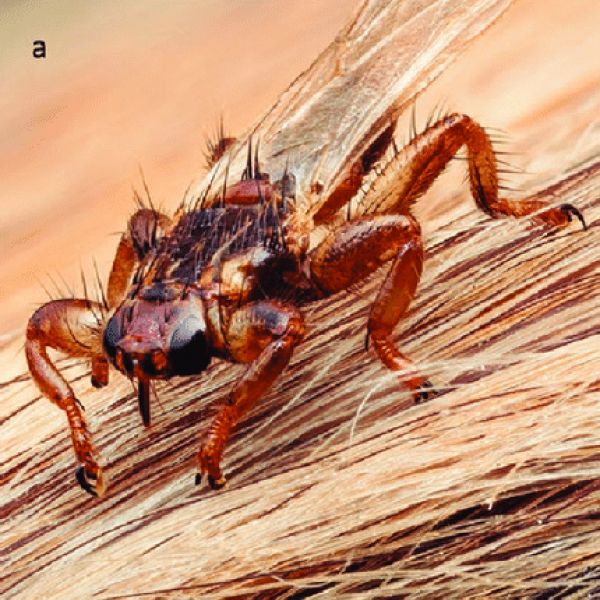
New records show spread of parasitic deer flies across the US
With flattened bodies, grabbing forelegs and deciduous wings, deer keds do not look like your typical fly. These parasites of deer — which occasionally bite humans — are more widely distributed across the U.S. than previously thought.
Full Article

May 30, 2019
Richtsmeier receives anatomist's science award
Joan Richtsmeier, distinguished professor of anthropology, is the recipient of the American Association of Anatomists' 2019 Henry Gray Scientific Achievement Award.
Full Article

May 29, 2019
Head named for Ken and Mary Alice Lindquist Department of Nuclear Engineering
Jean Paul Allain has been named the inaugural head of the recently established Ken and Mary Alice Lindquist Department of Nuclear Engineering at Penn State, effective July 1. He will hold the Lloyd and Dorothy Foehr Huck Chair in Plasma Medicine in the Huck Institutes for Life Sciences, as well as the positions of an Institute for Cyber Science faculty co-hire and professor of biomedical engineering by courtesy.
Full Article

May 28, 2019
Ayusman Sen receives Humboldt Research Award
Ayusman Sen, distinguished professor of chemistry at Penn State, has been awarded a Humboldt Research Award by the Alexander von Humboldt Foundation of Germany.
Full Article
May 24, 2019
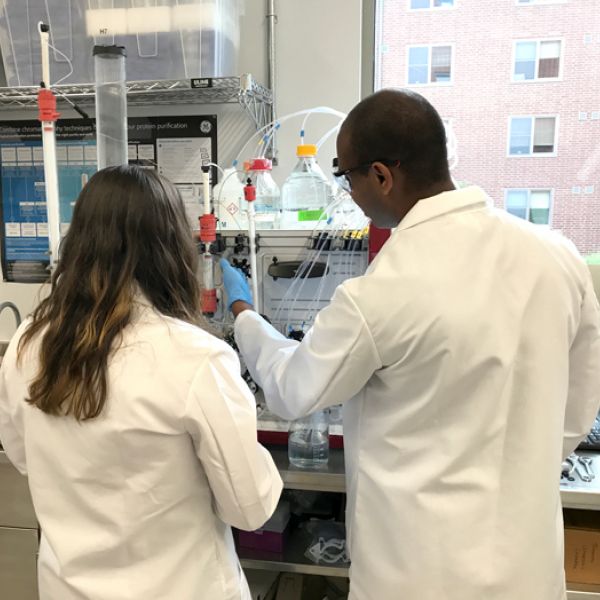
First Annual Seed Grant Recipients Announced by the Center of Excellence in Industrial Biotechnology
Seed Grant funding allows faculty at Penn State to initiate research in novel areas of biotechnology.
Full Article

May 22, 2019
Exercise may help teens sleep longer, more efficiently
Getting more exercise than normal — or being more sedentary than usual — for one day may be enough to affect sleep later that night, according to a new study led by Penn State.
Full Article

May 18, 2019
Shaun Mahony employs machine learning to study gene regulation
Once the fodder of science fiction books and movies, Artificial intelligence -- AI -- and machine learning are making an impact on nearly every facet of society. Penn State’s Institute for CyberScience are among Penn State’s research leaders who are both using AI in their work and studying ways to make sure that the technology’s societal impact is as safe and as beneficial as possible.
Full Article
May 14, 2019
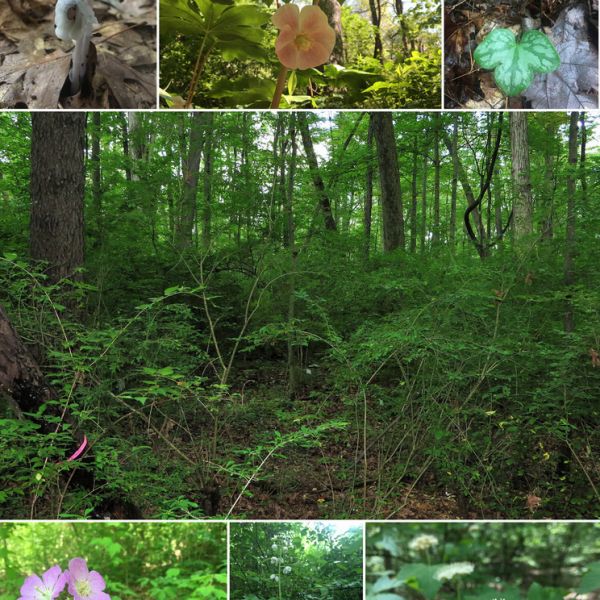
Native forest plants rebound when invasive shrubs are removed
Removing invasive shrubs to restore native forest habitat brings a surprising result, according to Penn State researchers, who say desired native understory plants display an unexpected ability and vigor to recolonize open spots.
Full Article

May 13, 2019
Plant pathology, environmental microbiology doctoral student receives NSF award
Laura Kaminsky, a doctoral student in Penn State's College of Agricultural Sciences, will be able to advance her research interests in plant pathology after receiving a grant from the National Science Foundation.
Full Article