News
Jun 25, 2019
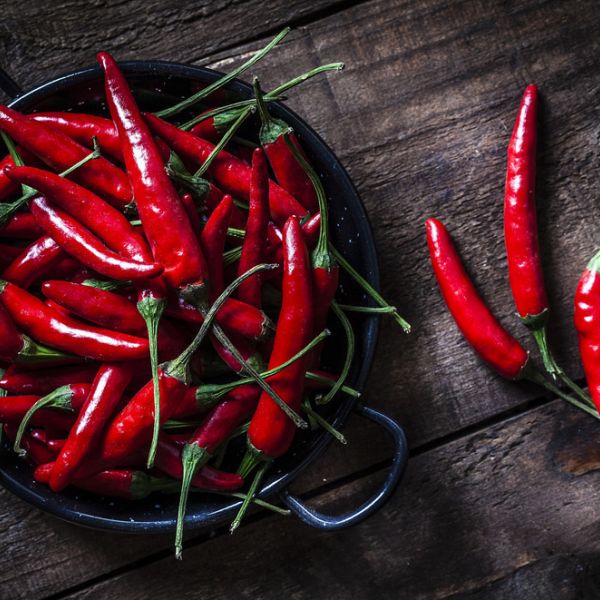
Milk: Best drink to reduce burn from chili peppers
People who order their Buffalo wings especially spicy and sometimes find them to be too "hot," should choose milk to reduce the burn, according to Penn State researchers, who also suggest it does not matter if it is whole or skim.
Full Article

Jun 20, 2019
Vanilla makes milk beverages seem sweeter
Adding vanilla to sweetened milk makes consumers think the beverage is sweeter, allowing the amount of added sugar to be reduced, according to Penn State researchers, who will use the concept to develop a reduced-sugar chocolate milk for the National School Lunch Program.
Full Article
Jun 19, 2019
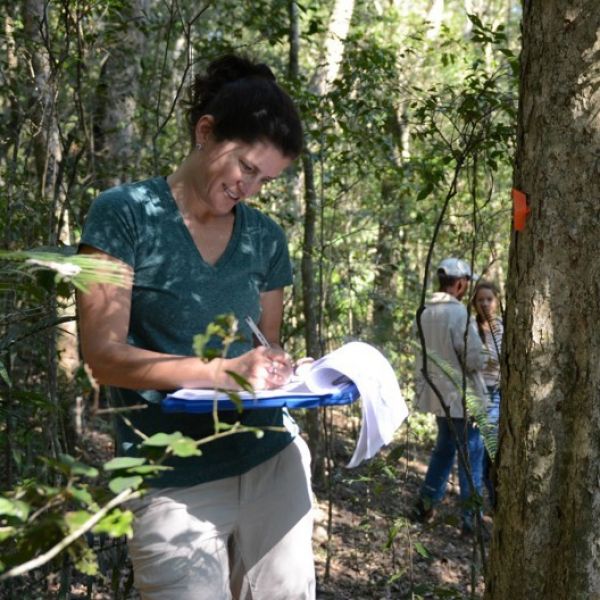
South African forests show pathways to a sustainable future
Native forests make up one percent of the landscape in South Africa but could play a key role in reducing atmospheric carbon and identifying sustainable development practices that can be used globally to counter climate change, according to a Penn State researcher.
Full Article
Jun 17, 2019
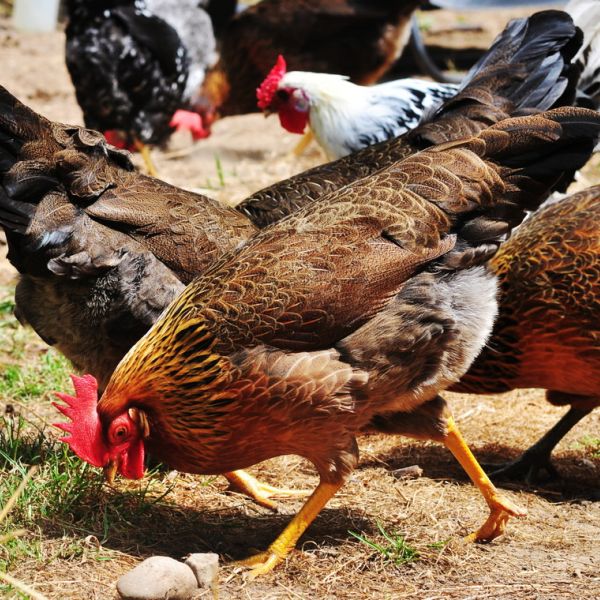
Researchers find genes that could help create more resilient chickens
An international team of scientists, led by Penn State researchers, have identified genes that may help farmers, especially ones in low- and middle-income countries, breed chickens that can resist one of the biggest disease threats facing poultry today.
Full Article

Jun 14, 2019
Xin Zhang honored as Pew Scholar in the Biomedical Sciences
Xin Zhang, holder of the Paul Berg Early Career Professorship and assistant professor of chemistry and of biochemistry and molecular biology at Penn State, has been selected as a Pew Scholar in the Biomedical Sciences by The Pew Charitable Trusts, a national philanthropy organization based in Philadelphia.
Full Article

Jun 13, 2019
Sensing food textures is a matter of pressure
Food's texture affects whether it is eaten, liked or rejected, according to Penn State researchers, who say some people are better at detecting even minor differences in consistency because their tongues can perceive particle sizes.
Full Article
Jun 12, 2019
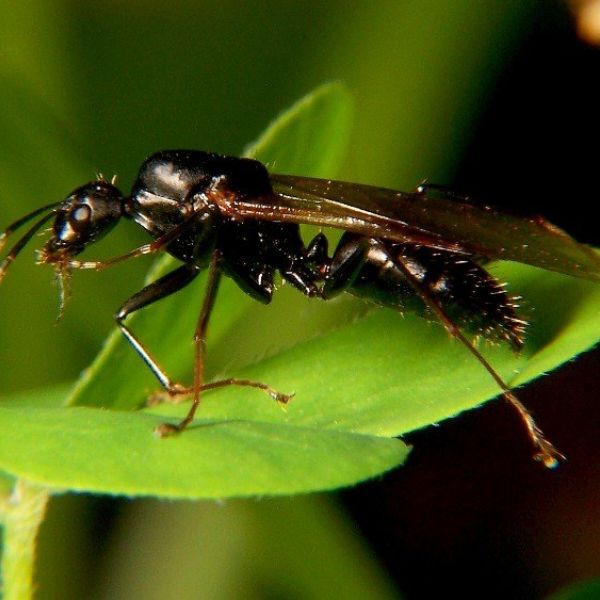
Ants maintain essential interactions despite environmental flux
Ants adjust their social interactions to accommodate changes in population density, according to researchers at Penn State and Georgetown University. The findings suggest that ant colonies are capable of maintaining their sophisticated social organization despite potentially drastic changes in their environments.
Full Article
Jun 10, 2019
Combating mosquito-borne diseases with bacteria
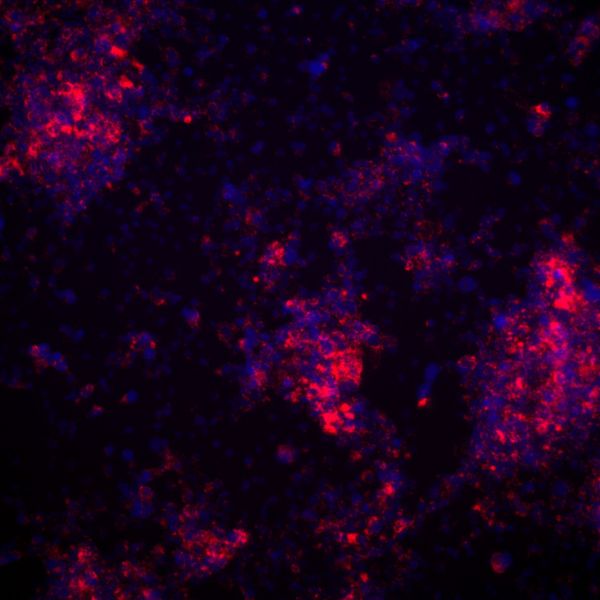
Viruses, spread through mosquito bites, cause human illnesses such as dengue fever, Zika and yellow fever. A new control technique harnesses a naturally occurring bacterium called Wolbachia that blocks replication of viruses and breaks the cycle of mosquito-borne disease, according to an international team of researchers.
Full Article

Jun 07, 2019
Bruce Chen Recognized for Outstanding Student Leadership
The PhD candidate in genetics was lauded for his time as HGSAC chair, in which he worked to help his fellow graduate students identify a number of possible future career paths.
Full Article

Jun 06, 2019
Northeastern deer more susceptible to wasting disease than those to the west
Some deer are more susceptible to chronic wasting disease that is spreading through herds of white-tailed deer across much of the United States, according to Penn State researchers.
Full Article