News
Jul 16, 2019
Microbiome Center graduate students awarded NIFA fellowships
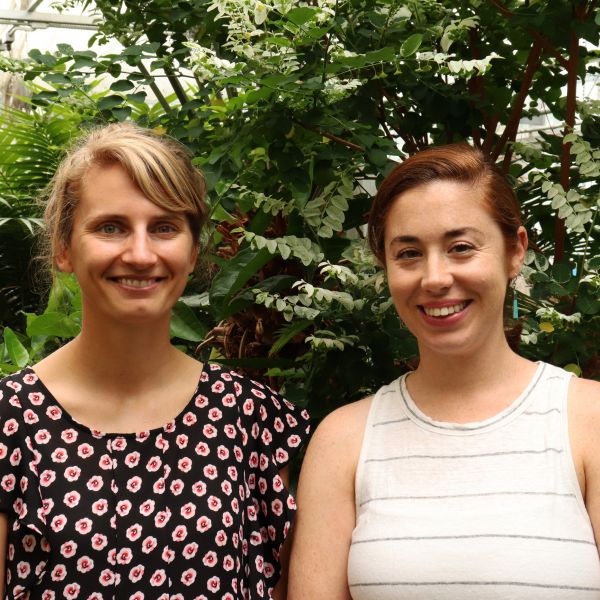
Sarah Isbell and Mara Cloutier, both Penn State graduate students and Microbiome Center researchers, will be supported in their studies by fellowships paid for by the United States Department of Agriculture.
Full Article

Jul 09, 2019
New method helping to find deletions and duplications in the human genome
A new machine-learning method accurately identifies regions of the human genome that have been duplicated or deleted — known as copy number variants — that are often associated with autism and other neurodevelopmental disorders. The new method, developed by researchers at Penn State, integrates data from several algorithms that attempt to identify copy number variants from exome-sequencing data — high-throughput DNA sequencing of only the protein-coding regions of the human genome.
Full Article
Jul 09, 2019
PlantVillage gives undergraduate a chance to help feed the world via technology
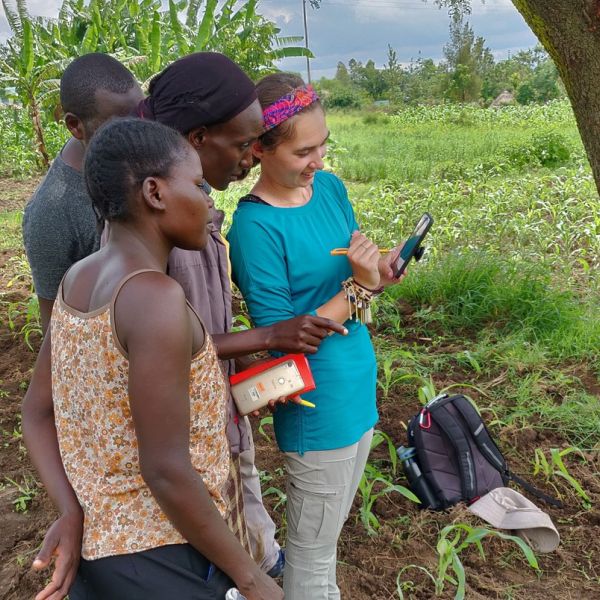
Coming from the small town of Limeport, near Allentown, a young Annalyse Kehs may not have thought much about international agriculture or feeding the world. But thanks to a project called PlantVillage, the Penn State rising senior not only is helping to address world hunger but is relishing the opportunity to travel to destinations such as Kenya and Rome to interact with farmers, researchers and policymakers.
Full Article
Jul 03, 2019
Some green ash trees show some resistance to emerald ash borers
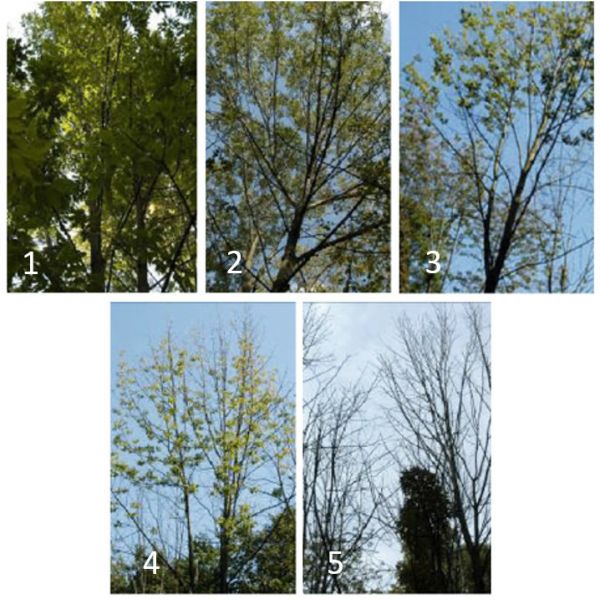
Genes in green ash trees that may confer some resistance to attacks by the emerald ash borer express themselves only once the tree detects the invasive beetle's feeding, according to Penn State researchers.
Full Article

Jul 03, 2019
Penn State hosts second Summer Institute on Migration Research Methods
Successful research methods regarding immigration and migrant populations was the focus of the 2019 Summer Institute on Migration Research Methods, held recently at Penn State’s University Park campus.
Full Article

Jul 03, 2019
Cell Dynamics takes center stage at 2019 Plant Biology Symposium
The 22nd Penn State Plant Biology Symposium was "a great success," according to organizers, who joined it with the Plant Cell Dynamics VIII meeting in an effort to encourage wider collaborations.
Full Article

Jul 02, 2019
Forecasting infectious diseases: Improved prediction could transform treatment
By applying the same predictive strategies used in weather forecasting, Penn State’s Steven Schiff is changing the way we approach treatment of infectious diseases worldwide.
Full Article
Jul 01, 2019
Sense of smell, pollution and neurological disease connection explored
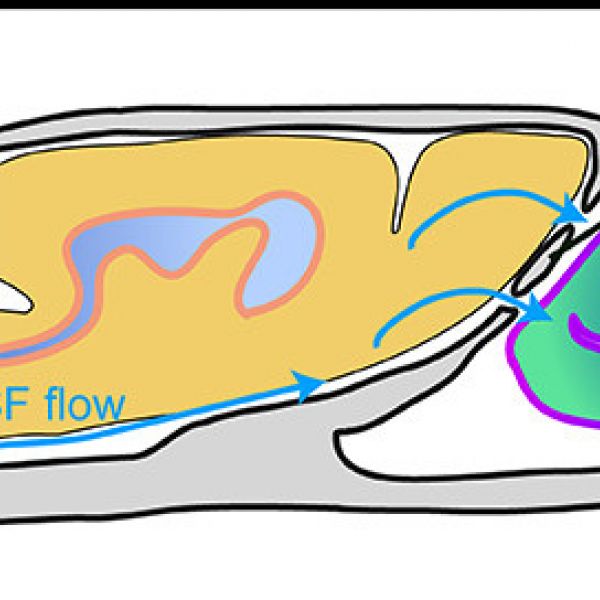
A consensus is building that air pollution can cause neurological diseases such as Alzheimer's disease and Parkinson's disease, but how fine, sooty particles cause problems in the brain is still an unanswered question. Now a team of Penn State researchers, using mice, have found a possible way, but more research is still needed.
Full Article

Jun 27, 2019
Game theory shows why stigmatization may not make sense in modern society
Although stigmatizing people suffering from an infectious disease may have been adapted for pre-historic humans, now it could cause more harm than good, according to a team of Penn State researchers.
Full Article
Jun 26, 2019
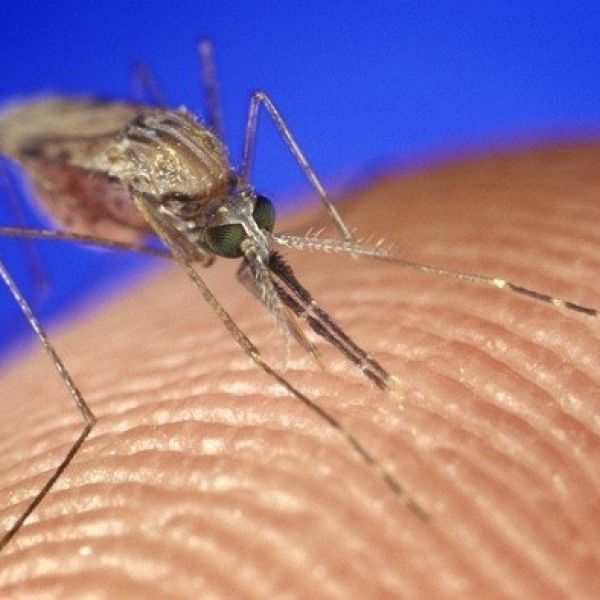
Climate warming could increase malaria risk in cooler regions
Malaria parasites develop faster in mosquitoes at lower temperatures than previously thought, according to researchers at Penn State and the University of Exeter. The findings suggest that even slight climate warming could increase malaria risk to hundreds of thousands, if not millions, of people — including travelers — in areas that are currently too cold for malaria parasites to complete their development.
Full Article