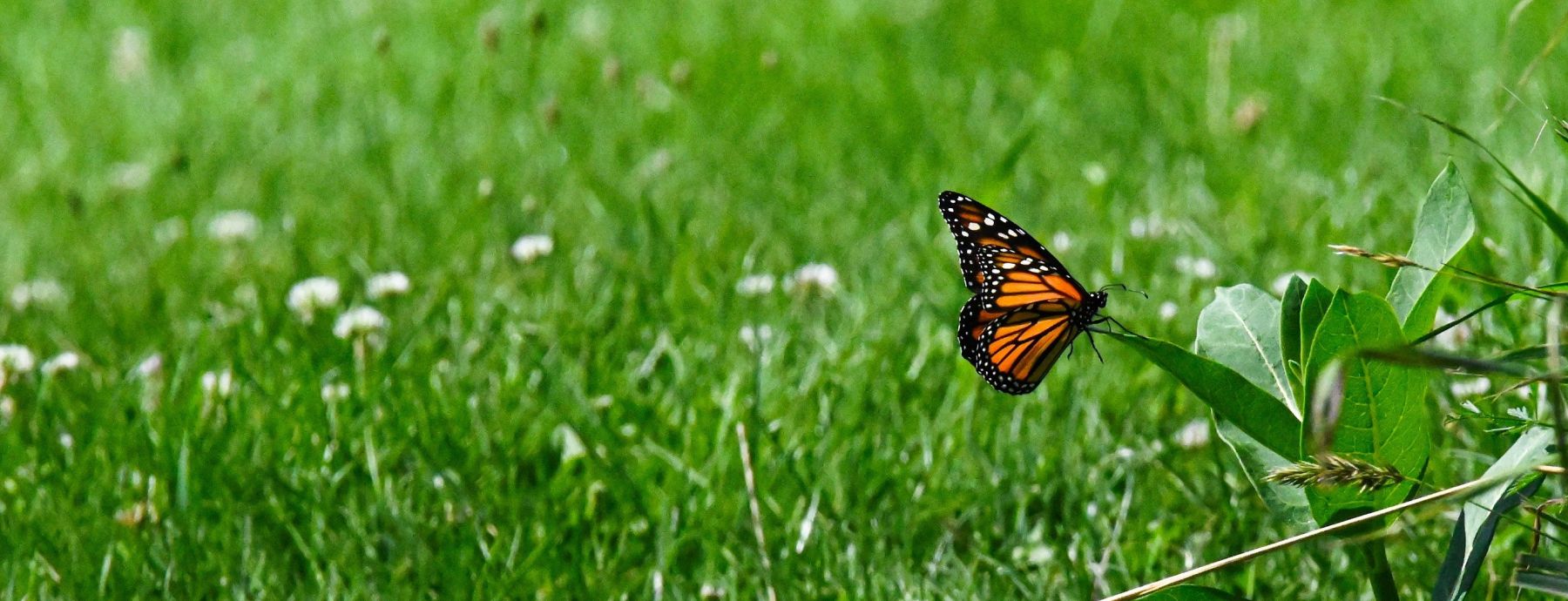
Hero image for the Center for Chemical Ecology - a monarch butterfly landing on milkweed | Photo: Jack Meyer

Center for Chemical Ecology

Examining the role of chemical interactions between living organisms and their environments

In 2005, Penn State researchers and facilities united as a center of excellence to promote collaborative research and graduate education in chemical and molecular ecology. Inspired by molecules we discover in microbes, fungi, plants, and animals, we strive to mimic nature's flavors, fragrances, medicines, and toxins, and learn how to put them to use for a healthier life and cleaner environment.

The goal of the Center is to not only study connections, but to develop them across our university. As an intrinsically interdisciplinary field, bridges between academic areas will only foster new discoveries, tools and solutions for our world. We plan to develop core ‘B.A.S.E.’ areas:

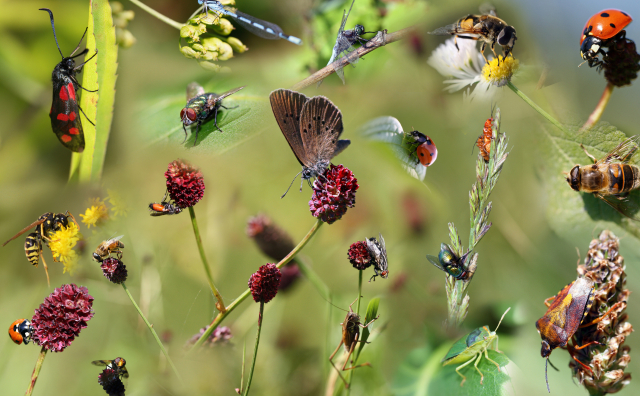
Behavior, Pheromones, and Sensory Biology

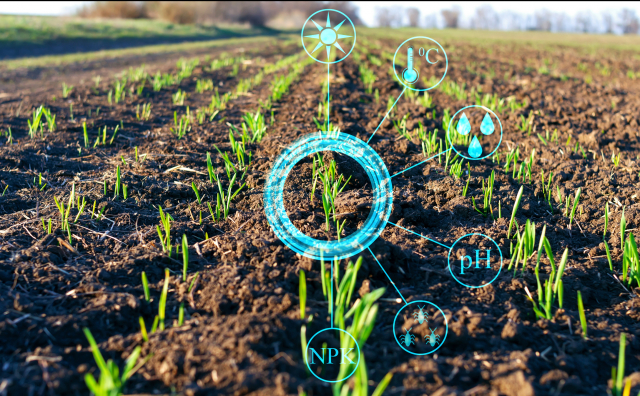
Agroecology and Plant Interactions

Sensors and Artificial Intelligence

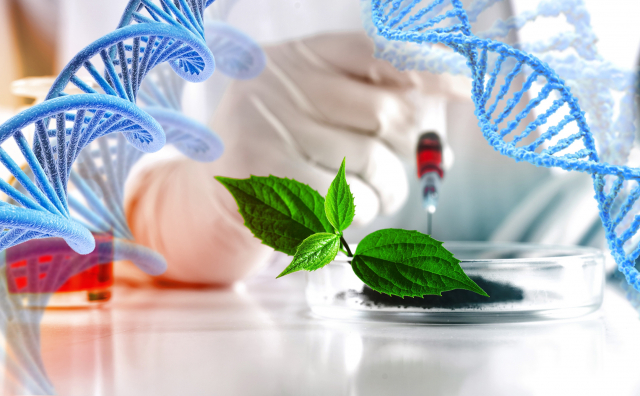
Ecophysiology, Exposome, and Exposomics


Image credit: Jack Meyer

News

Domestication has changed the chemicals squash flowers use to attract bees

In a new study published in the Journal of Chemical Ecology, a team led by researchers in Penn State’s College of Agricultural Sciences found that domesticated flowers have different scent chemical profiles than wild plants in several species of squash. Additionally, the specialized pollinators of these plants—squash bees—detect different compounds, called floral volatile organic compounds (VOCs) in wild plants that they co-evolved with than in domesticated plants.

College of Ag Sciences awards bridge funding for global research collaborations

Penn State’s College of Agricultural Sciences has awarded bridge funding to four faculty members to support research collaborations addressing soil fertility, public health, climate resilience and agricultural trade include two from the Center for Root and Rhizosphere Biology.

Two College of Ag Sciences faculty earn spots on highly cited researchers list

Francisco Dini-Andreote and Andrew Patterson in Penn State’s College of Agricultural Sciences are among the most highly cited researchers in 2025, according to the Clarivate Analytics Web of Science Group.

Shrinking materials hold big potential for smart devices, researchers say

Wearable electronics could be more wearable, according to a research team at Penn State. The researchers developed a scalable, versatile approach to designing and fabricating wireless, internet-enabled electronic systems that can better adapt to 3D surfaces, like the human body or common household items, paving the path for more precise health monitoring or household automation, such as a smart recliner that can monitor and co