News

May 08, 2025
Some water conservation programs may get more value by targeting rural farms
Conservation programs aimed at boosting environmentally friendly practices by incentivizing farmers may get more bang for their buck by targeting rural farms rather than more urban ones, according to a study led by researchers at Penn State.
Full Article
Apr 25, 2025
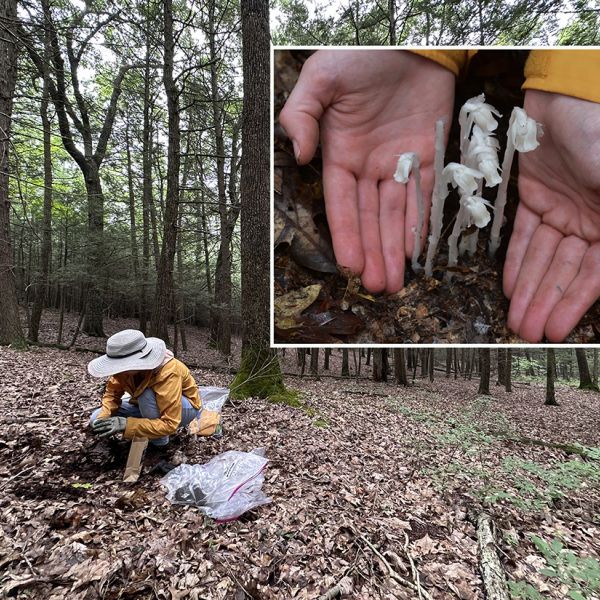
Traditional forest medicinal plant ghost pipe used differently today
Driven by the internet and social media, consumption of a strange white plant known as ghost pipe is enjoying a resurgence — but with a twist.
Full Article
Feb 28, 2025
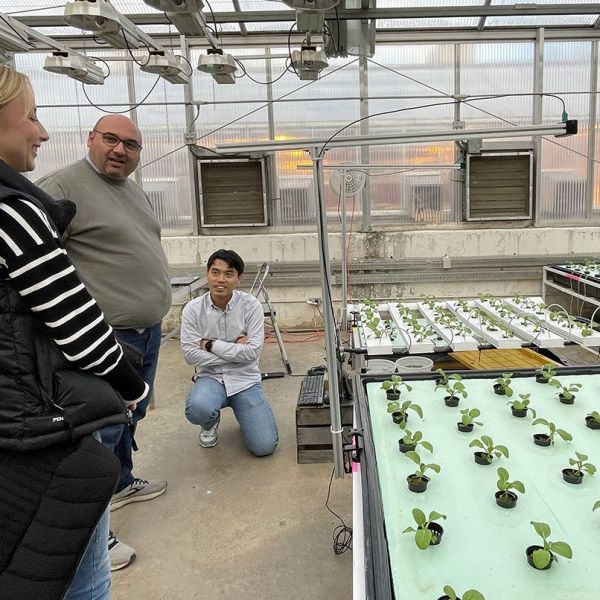
New computer vision system can guide specialty crops monitoring
The technology applies an internet of things and artificial intelligence to enhance controlled environment agriculture in advanced greenhouse scenario.
Full Article
Feb 26, 2025
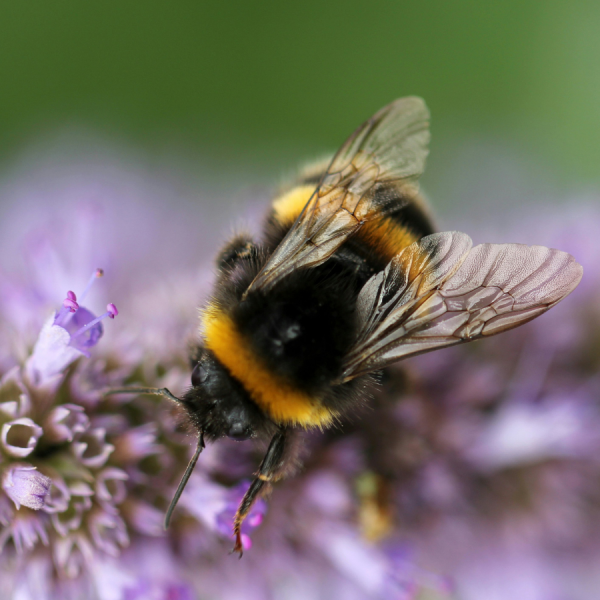
The complex effects of pesticide exposure on bumble bee health
The effects of pesticide exposure on pollinator health may be more complicated than originally thought, according to a team of researchers in Penn State’s College of Agricultural Sciences who recently published an article on the topic in Biology Letters.
Full Article

Jan 14, 2025
PlantVillage empowers farmers around the world to combat climate change
UN-supported Penn State research-based non-profit expands into for-profit sector with help from Invent Penn State NSF I-Corps programming
Full Article
Jan 07, 2025
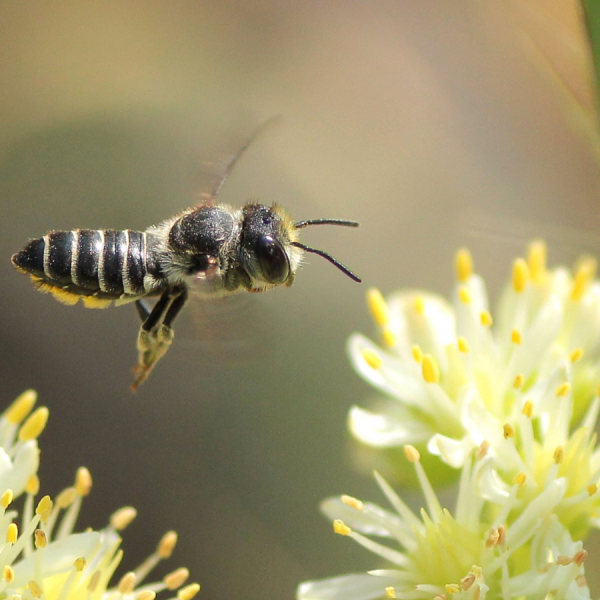
Quantity over quality? Different bees are attracted to different floral traits
When it comes to deciding where they’re going to get their next meal, different species of bees may be attracted to different flower traits, according to a study led by researchers at Penn State and published in PNAS Nexus.
Full Article
Oct 08, 2024
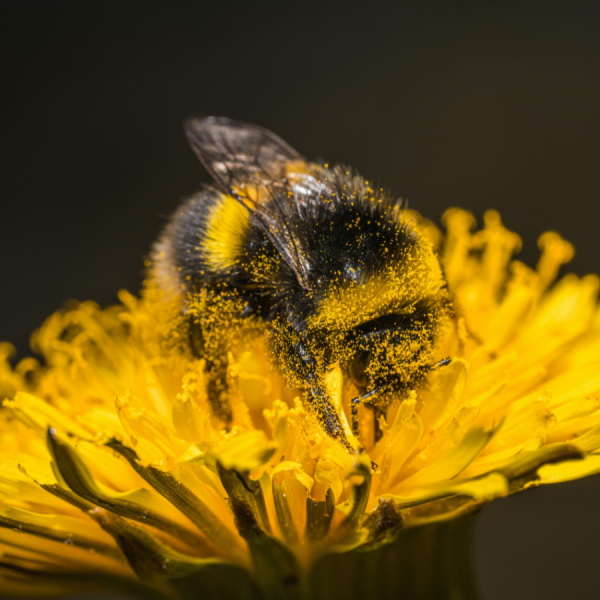
Adding fall blooming plants may help both managed and wild bees in cities
Recent findings will help identify the groups of bees that may be most at-risk and aid in creating conservation strategies, according to researchers.
Full Article
Jan 04, 2024
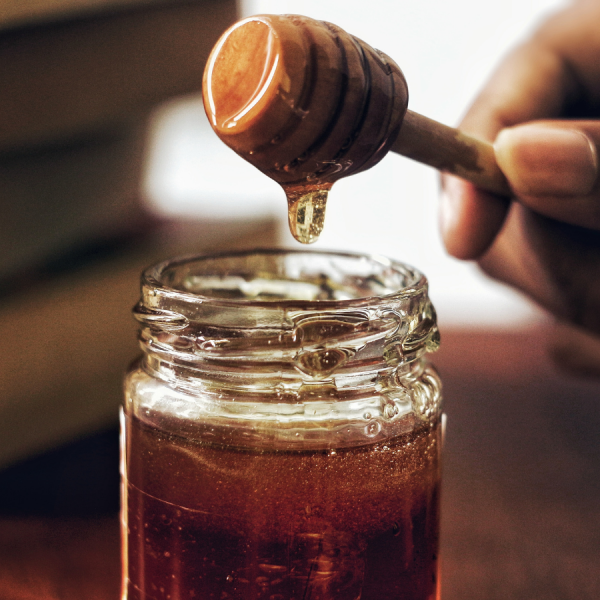
Why are bees making less honey? Study reveals clues in five decades of data
Honey yields in the U.S. have been declining since the 1990s, a new study by Penn State researchers has uncovered clues in the mystery of the missing honey.
Full Article