News

Aug 25, 2025
GPS-outfitted birds and citizen sightings to inform a better migration model
Funded by an NSF grant, researchers aim to develop a powerful new tool that melds data from GPS device-carrying birds with sightings by citizen science groups.
Full Article

Aug 25, 2025
Penn State’s 2025 Ag Progress Days a success in showcasing innovation, impact
Penn State’s Ag Progress Days, held Aug. 12-14 at the Russell E. Larson Agricultural Research Center at Rock Springs, was a successful showcase of agricultural innovation, research and technology, according to leaders in the College of Agricultural Sciences, which sponsored the event.
Full Article

Jul 31, 2025
Ag Progress Days displays showcase advanced technology, animal health, invasives
A new initiative aimed at developing emerging and advanced technologies to enhance food production, agricultural ecosystems and natural resources will be one of the focal points of the College of Agricultural Sciences Exhibits Building at Penn State’s 2025 Ag Progress Days, Aug. 12-14.
Full Article

Jul 28, 2025
College of Ag Sciences names first cohort of Land Grant Research Impact Fellows
Penn State’s College of Agricultural Sciences has launched the Land Grant Research Impact Fellows program. This new initiative recognizes and supports faculty whose research addresses pressing challenges in Pennsylvania and beyond.
Full Article

Jul 22, 2025
National foundation grant to support study on amphibian health at Penn State
Research in Penn State’s College of Agricultural Sciences aimed at helping amphibians fight fungal disease by strengthening their natural defenses has received a $120,000 grant from the Morris Animal Foundation, a national nonprofit dedicated to advancing animal health through scientific research.
Full Article
Jul 08, 2025
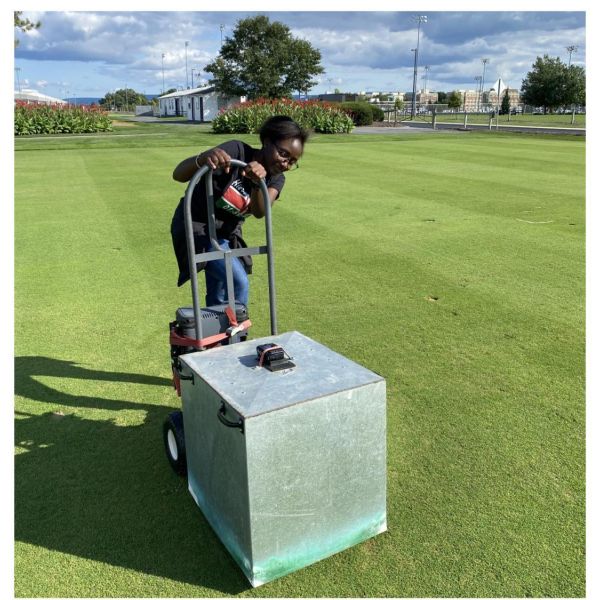
Fungicides intended to suppress turfgrass diseases may damage fairways
Golf course managers have much more insight into which fungicides to use to suppress turfgrass diseases, such as the common and costly dollar spot disease, without damaging the grass on their fairways, thanks to a new study by researchers at Penn State.
Full Article

Jul 07, 2025
‘Scialog’ grant to study how rising ocean temperatures affect fish behavior
A wildlife behavioral ecologist at Penn State is part of a multi-institution team that received funding from Scialog: Neurobiology and Changing Ecosystems, a international three-year initiative that aims to spark new science exploring neurobiological responses to rapidly changing environments.
Full Article
Jun 23, 2025
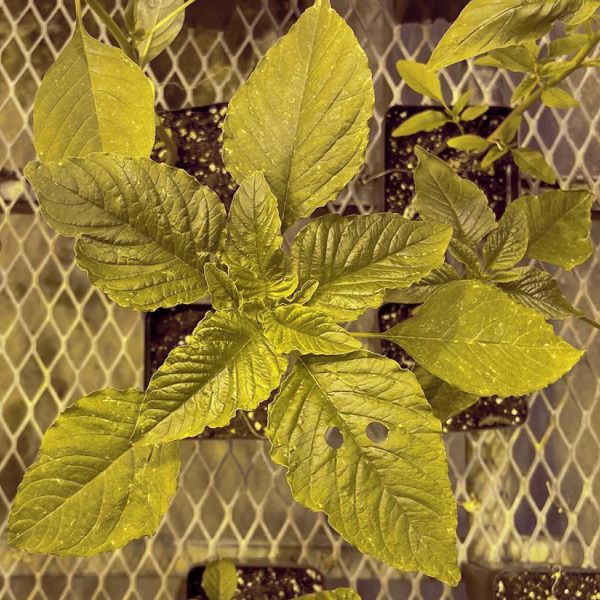
Multistate herbicide-resistant weeds study aims to protect soybean crops
New grant will fund development of rapid testing to detect herbicide-resistant weeds in soybean fields; to gain a better understanding of plant mechanisms that contribute to resistance.
Full Article
Jun 03, 2025
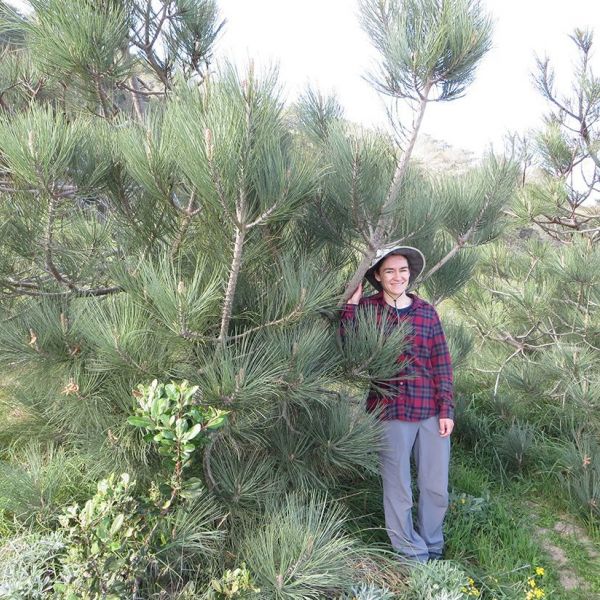
Isolated Torrey pine populations yield insights into genetic diversity
Researchers find a few genes that allowed trees from insular populations to adapt to local conditions may inhibit their adjustment long term to a new location.
Full Article
May 20, 2025
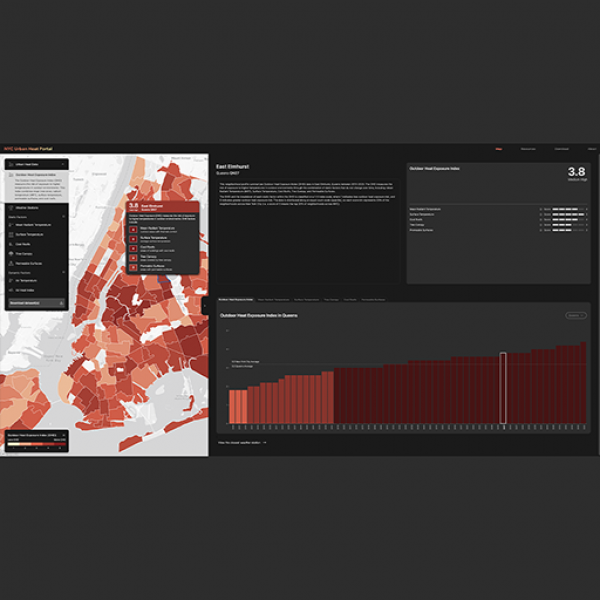
Urban heat portal aims to tackle rising temperatures, protect at-risk residents
As heat and associated risks intensify in cities around the world, a new tool developed by researchers in the College of Arts and Architecture’s Stuckeman School at Penn State and the Department of Urban Policy at Hunter College aims to shed light on how rising temperatures affect New York City’s neighborhoods — and what can be done to protect the most vulnerable communities.
Full Article