News

Nov 28, 2018
BG Student Wins Sloan Foundation Scholarship
Jordan Hughey has added the Alfred P. Sloan Foundation’s Minority Ph.D. award to an impressive list of accolades.
Full Article
Nov 28, 2018
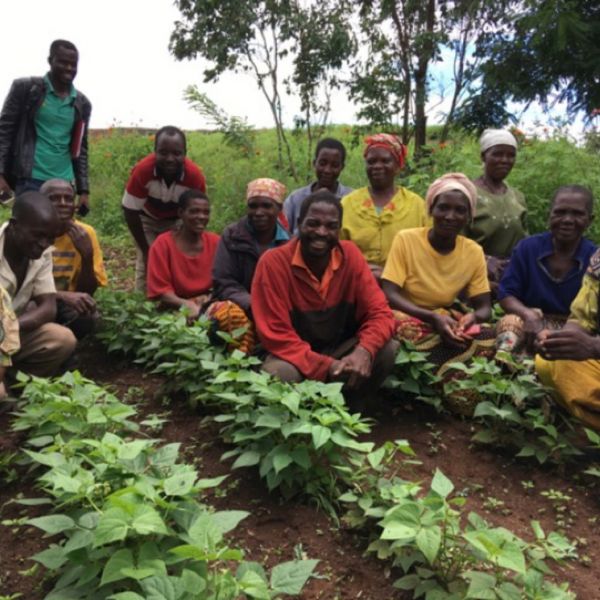
Penn State root research results in breeding of improved bean plants for Africa
In the culmination of more than a decade of research on root traits conducted by Penn State plant scientists, about three tons of seed for common bean plants specifically bred to thrive in the barren soils of Mozambique will be distributed there Dec. 11.
Full Article

Nov 27, 2018
Katriona Shea Named a Fellow of the American Association for the Advancement of Science
Katriona Shea, professor of biology and Alumni Professor in the Biological Sciences has been named a Fellow of the American Association for the Advancement of Science (AAAS).
Full Article

Nov 26, 2018
Citrate-based biomaterial fuels bone healing with less rejection
A material based on a natural product of bones and citrus fruit, called citrate, provides the extra energy that stem cells need to form new bone tissue, according to a team of Penn State bioengineers.
Full Article

Nov 21, 2018
Traffic noise stresses out frogs, but some have adapted
Frogs from noisy ponds near highways have altered stress and immune profiles compared to frogs from more quiet ponds — changes that reduce the negative effects of traffic noise on the amphibians.
Full Article
Nov 16, 2018
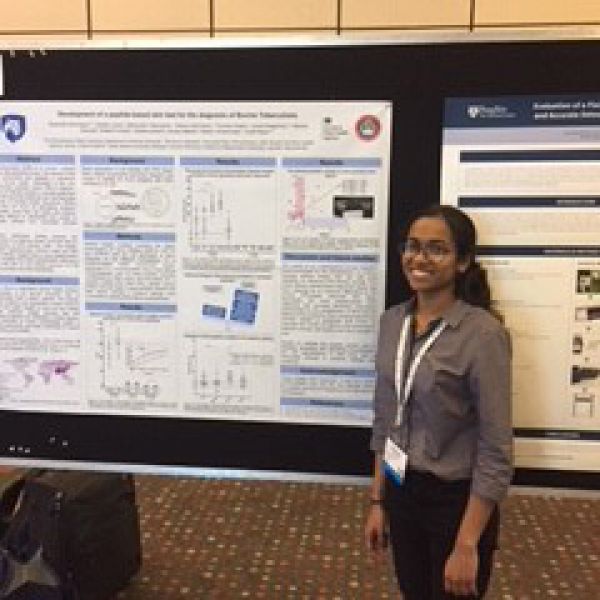
MCIBS student wins poster awards at conference
Sreenidhi Srinivasan won Best Poster and the Brenda Love Bacteriology Award at the 2018 AAVLD Conference.
Full Article

Nov 15, 2018
Color coded — matching taste with color
Color can impact the taste of food, and our experiences and expectations can affect how we taste food, according to Penn State researchers, who suggest this may have implications for how food and beverage industries should market their products.
Full Article

Nov 13, 2018
'Scaring' soybeans into defensive mode yields better plants a generation later
By temporarily silencing the expression of a critical gene, researchers fooled soybean plants into sensing they were under siege, encountering a wide range of stresses. Then, after selectively cross breeding those plants with the original stock, the progeny "remember" the stress-induced responses to become more vigorous, resilient and productive plants, according to a team of researchers.
Full Article
Nov 13, 2018
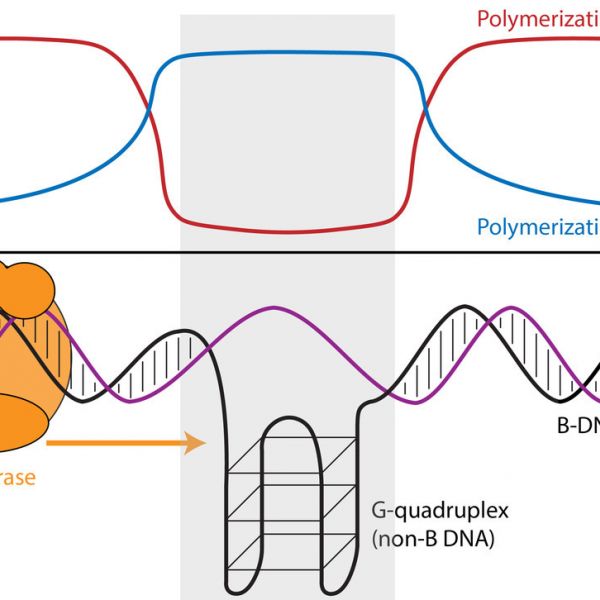
DNA structure impacts rate and accuracy of DNA synthesis
The speed and error rate of DNA synthesis is influenced by the three-dimensional structure of the DNA. Using “third-generation” genome-wide DNA sequencing data, a team of researchers from Penn State and the Czech Academy of Sciences showed that sequences with the potential to form unusual DNA conformations, which are frequently associated with cancer and neurological diseases, can in fact slow down or speed up the DNA synthesis process and cause more or fewer sequencing errors.
Full Article

Nov 12, 2018
Anopheles mosquitoes could spread Mayaro virus in U.S., other diverse regions
Mosquitoes of the genus Anopheles are well known as primary vectors of malaria. But a new study suggests that Anopheles species, including some found in the United States, also are capable of carrying and transmitting an emerging pathogen, Mayaro virus, which has caused outbreaks of disease in South America and the Caribbean.
Full Article