News
Jun 15, 2020
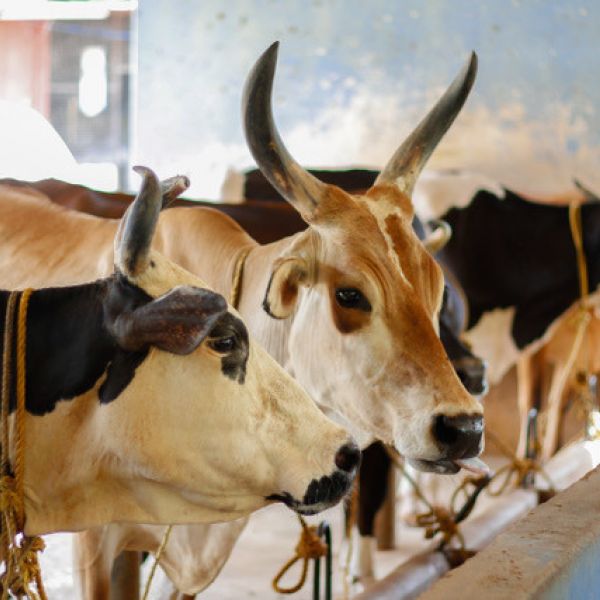
Tuberculosis spread from animals to humans greater than previously thought
The number of human tuberculosis (TB) cases that are due to transmission from animals, as opposed to human-to-human transmission, may be much higher than previously estimated, according to an international team of researchers. The results could have implications for epidemiological studies and public health interventions.
Full Article

Jun 10, 2020
Researchers aim to help cities prioritize interventions for public transit
Researchers at Penn State aim to help minimize the risk of COVID-19 spread by identifying specific subway stations in which intervention resources — such as setting up testing sites, allocating additional personnel to disinfect frequently touched surfaces in subway stations, and distributing masks and hand sanitizer — could be of greatest benefit.
Full Article

Jun 10, 2020
Bedrock type under forests greatly affects tree growth, species, carbon storage
A forest's ability to store carbon depends significantly on the bedrock beneath, according to Penn State researchers who studied forest productivity, composition and associated physical characteristics of rocks in the Appalachian ridge and Valley Region of Pennsylvania.
Full Article
Jun 09, 2020
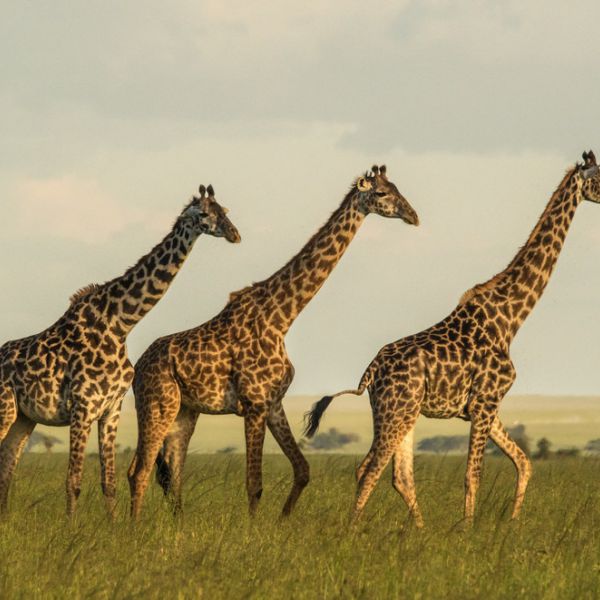
Human presence weakens social relationships of wild giraffes
Living in close proximity to human settlements disturbs giraffe social networks, with animals having weaker bonds and fewer interactions with other giraffes, according to a new study by a team including a Penn State biologist.
Full Article
Jun 08, 2020
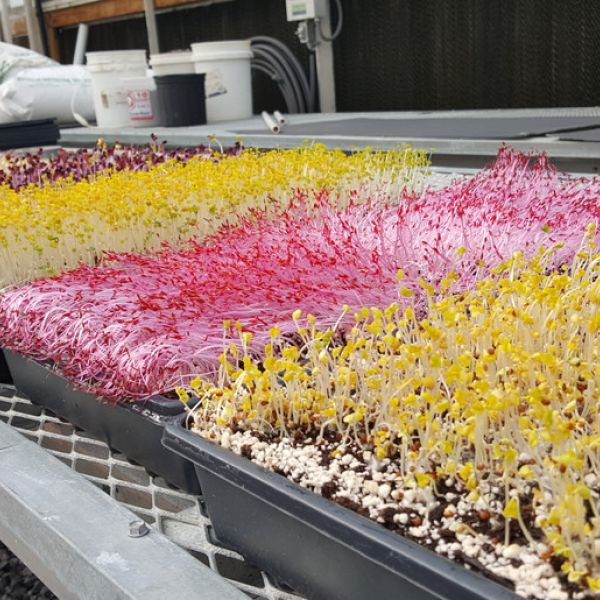
Research team to study food resilience in the face of catastrophic global events
An interdisciplinary team of Penn State professors has received $3 million from Open Philanthropy to study food resilience in the face of potentially catastrophic global events.
Full Article
Jun 05, 2020
The Penn State Ecology Community is Committed to Combatting Racism and Injustice
The leadership of the Penn State Ecology community wishes to express solidarity with marginalized members of our society, and has prepared the following statement of support to all those who struggle against systemic injustices. We can and must do better.
Full Article
Jun 04, 2020
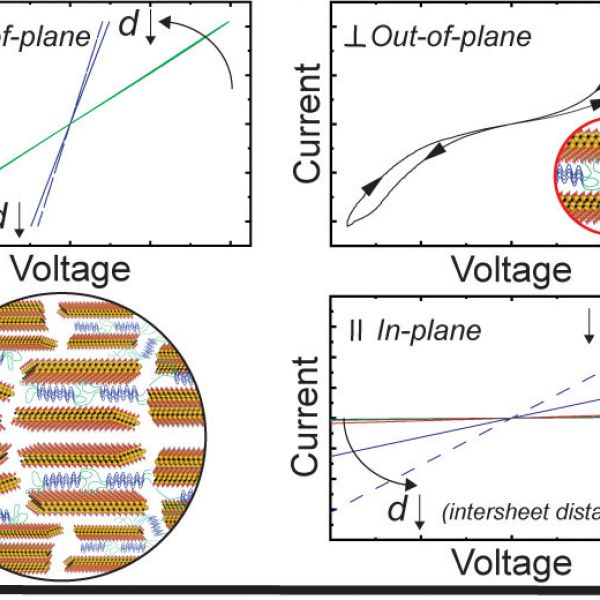
Self-assembling, biomimetic composites possess unusual electrical properties
Sometimes, breaking rules is not a bad thing. Especially when the rules are apparent laws of nature that apply in bulk material, but other forces appear in the nanoscale.
Full Article
Jun 04, 2020
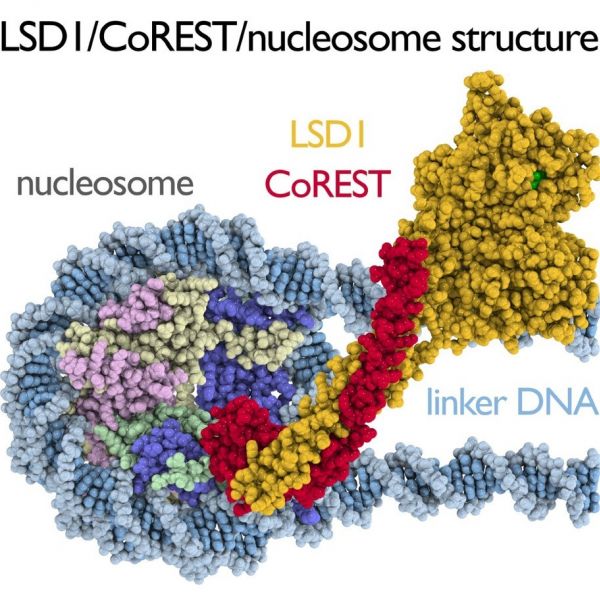
New image of a cancer-related enzyme in action helps explain gene regulation
New images of an enzyme in action as it interacts with the chromosome could provide important insight into how cells — including cancer cells — regulate their genes.
Full Article
Jun 03, 2020
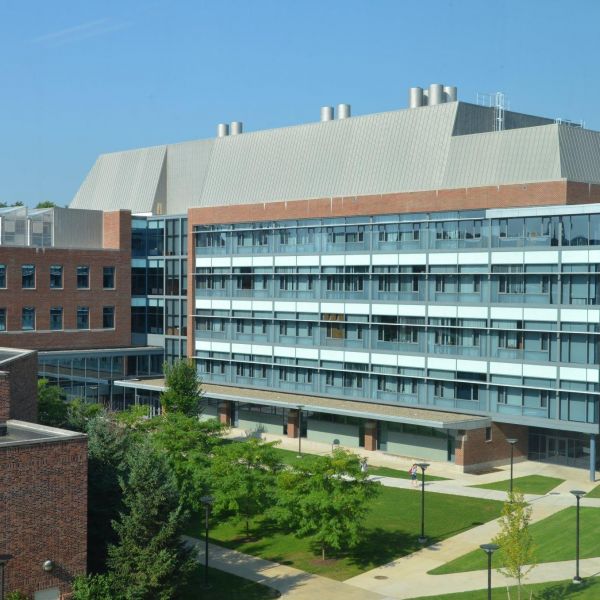
Huck graduate students among NSF award recipients
Five graduate students in Huck programs or involved with Huck centers, advised by faculty members in the College of Agricultural Sciences, were recipients or honorable mentions of National Science Foundation Graduate Research Fellowships.
Full Article

Jun 02, 2020
BG student receives award for research on immunologic, rheumatologic diseases
Bioinformatics and Genomics student Chachrit Khunsriraksakul has been selected as the recipient of the 2020 Finkelstein Memorial Student Research Award.
Full Article