News
May 28, 2020
NSF CAREER grant recipient offers potential boost for stem cell therapy
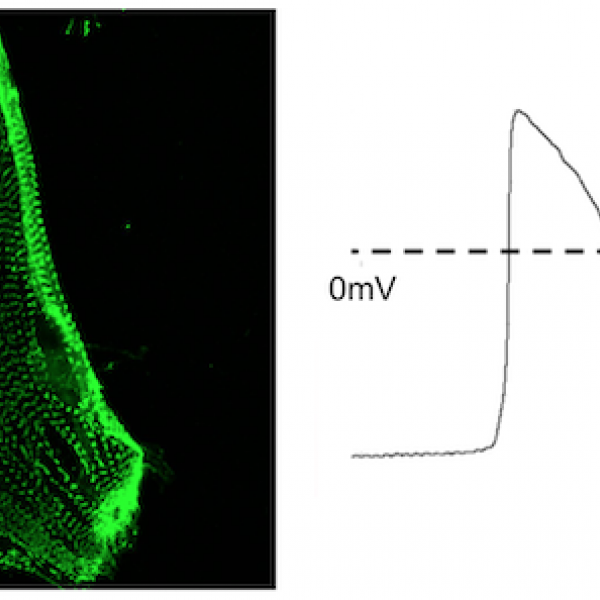
Xiaojun “Lance” Lian, assistant professor of biomedical engineering at Penn State, has received a $500,000, five-year Early Career Development Program (CAREER) grant from the National Science Foundation (NSF).
Full Article
May 27, 2020
Podcast collaboration explores research, policy and democracy during pandemic
COVID-19 has sparked a wide range of extreme political actions in the first half of 2020. From inconsistent shelter-in-place orders to unprecedented economic stimulus actions to debates over masks and armed protests at state capitols, the pandemic has brought the relationship between scientific research and public policy-making to the forefront of the news — and peoples’ lives — globally.
Full Article
May 27, 2020
COVID-19 antibody testing. What is it good for?
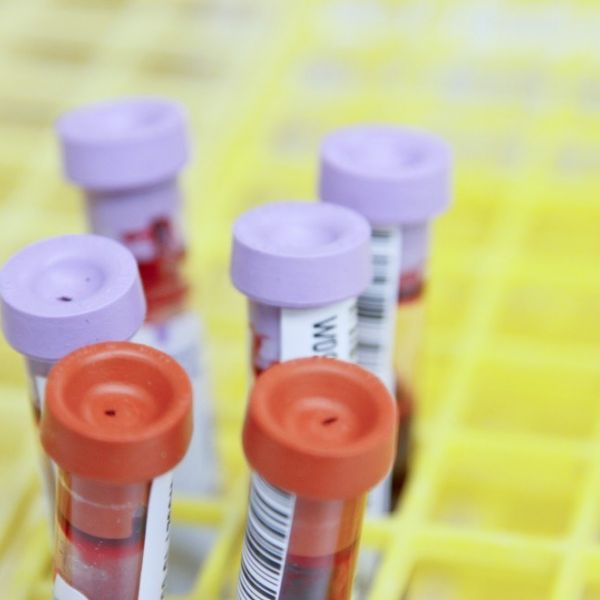
While it’s too soon to use COVID-19 antibody testing to issue “immunity passports,” the antibody tests available today are good enough to inform decisions about public health, such as how and when to relax social distancing interventions, according to an international group of infectious disease and public health experts
Full Article

May 26, 2020
Battling disease with ultraviolet light
A new seed grant-funded study could provide the knowledge base needed to develop optical radiation products to sanitize large indoor environments to prevent the transmission of viruses like SARS-CoV-2.
Full Article

May 19, 2020
COVID-19 Data 4 Action Project will help inform local decision-making
Penn State researchers will collect pandemic-related information in an effort to provide Centre County officials, Penn State administrators, and the public with actionable data.
Full Article
May 14, 2020
The Mighty Microbiome
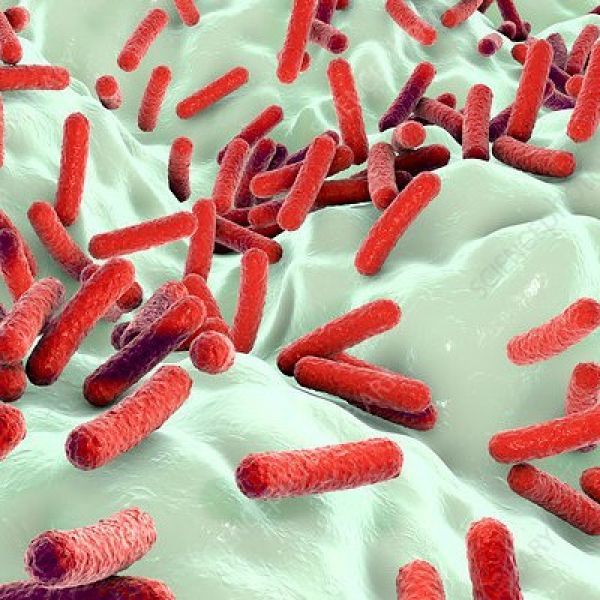
Researchers in the College of Agricultural Sciences aim to put microbes to work to improve our health and environment.
Full Article
May 12, 2020
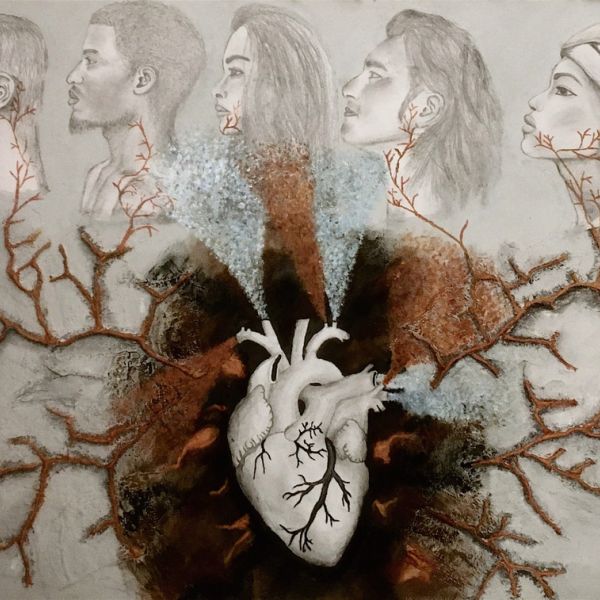
'Viral Imaginations: COVID-19' site offers Pennsylvanians a creative outlet
As millions shelter in place at home due to COVID-19, many are turning to art to pass the time, relieve stress or spark joy — either as consumers or artists themselves. Penn State has launched a new project called “Viral Imaginations: COVID-19” to give all Pennsylvanians a venue to display their artistic reflections on the pandemic.
Full Article
May 11, 2020
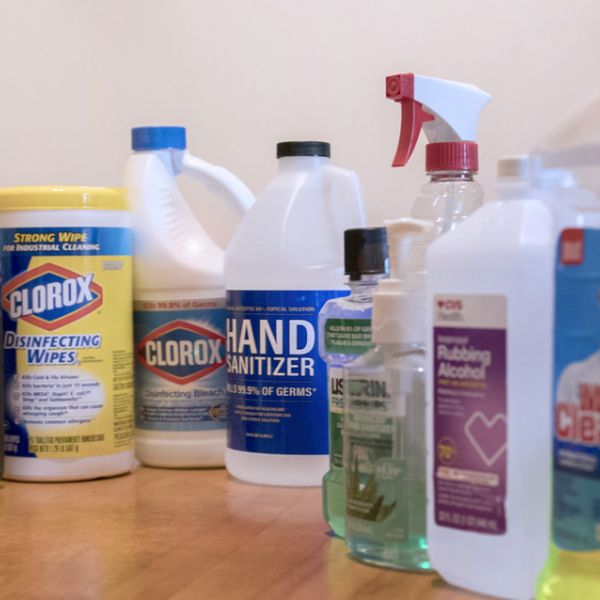
Researcher explores disinfectant strength, contact time against viruses
Cleaning products, alcohol-based sanitizers and other common chemicals are all being used on surfaces to try to kill the virus that causes COVID-19, but knowing how much to use and how long to use it for is unknown, according to Craig Meyers, distinguished professor of microbiology and immunology and obstetrics and gynecology, College of Medicine, Penn State, who is looking at testing these chemicals to find out.
Full Article

May 07, 2020
Which COVID-19 models should we use to make policy decisions?
With so many COVID-19 models being developed, how do policymakers know which ones to use? A new process to harness multiple disease models for outbreak management has been developed by an international team of researchers.
Full Article
May 06, 2020
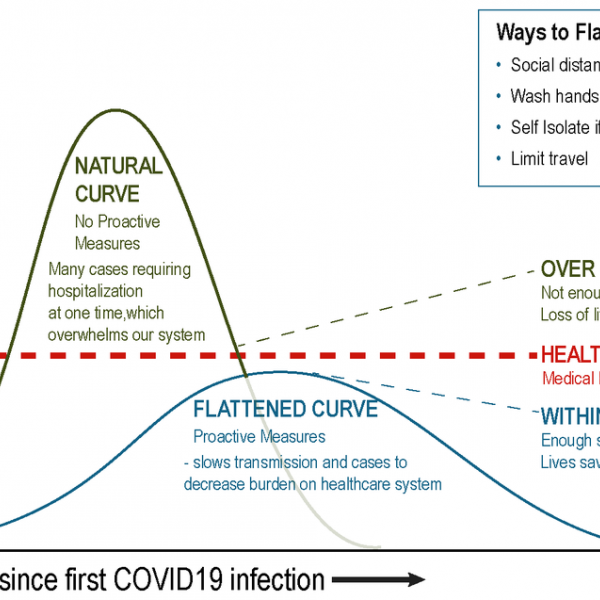
Online tutor helps general public turn COVID-19 prevention efforts into action
New tool provides comprehensive education on disease prevention guidelines for the general public
Full Article