News

Oct 27, 2020
Podcast features researchers collecting local COVID-19 data for action
On Oct. 19, The Symbiotic Podcast teamed up with the hosts of Podward State — a Penn State student-produced podcast — to interview researchers working on a profoundly collaborative project designed to measure multiple impacts of the COVID-19 pandemic on residents and students in Centre County, Pennsylvania.
Full Article
Oct 26, 2020
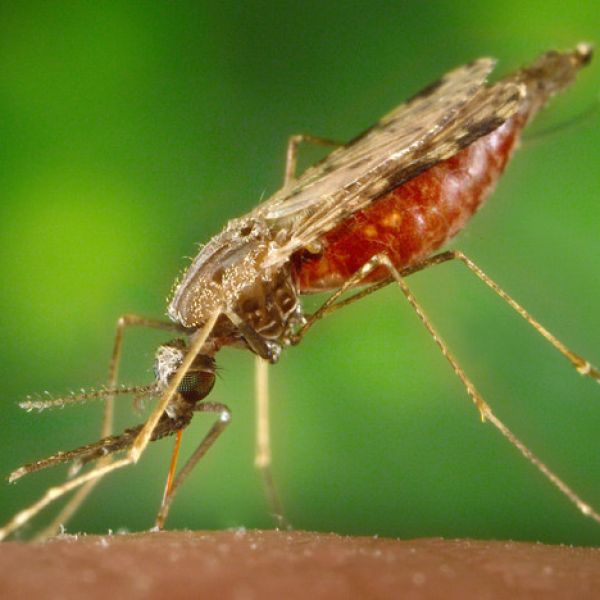
Malaria parasites hide out in humans when it's not mosquito season
Malaria parasites survive the mosquito-free dry season by waiting silently in humans for the return of the rainy season that brings back with it mosquitoes. New research, by an international team including Penn State scientists, helps explain how the Plasmodium falciparum parasite survives the disruption to its lifecycle, which requires development within the mosquito host for transmission between people.
Full Article
Oct 23, 2020
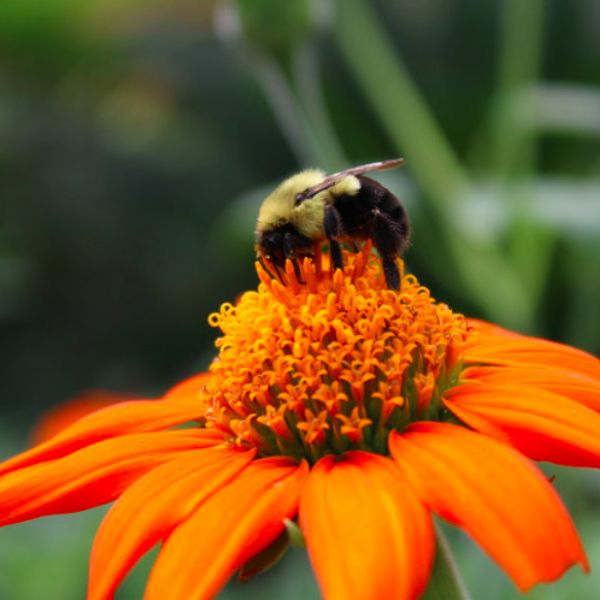
Penn State, Freiburg offer virtual course on pest and pollinator management
In February 2020, as part of a mutual effort to enhance a strategic partnership between the Albert Ludwigs University of Freiburg and Penn State that dates back to 1998, the two universities announced the selection of two joint proposals for novel online classroom projects.
Full Article
Oct 22, 2020
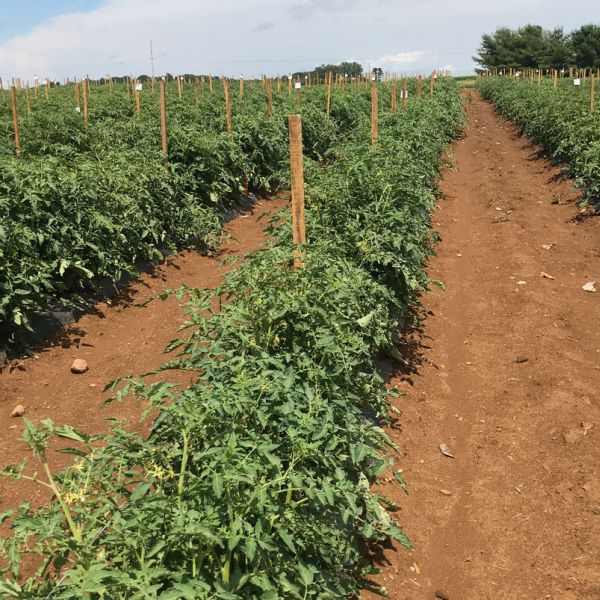
Grafting with epigenetically-modified rootstock yields surprise
Novel grafted plants—consisting of rootstock epigenetically modified to “believe” it has been under stress joined to an unmodified scion, or above-ground shoot—give rise to progeny that are more vigorous, productive and resilient than the parent plants.
Full Article
Oct 21, 2020
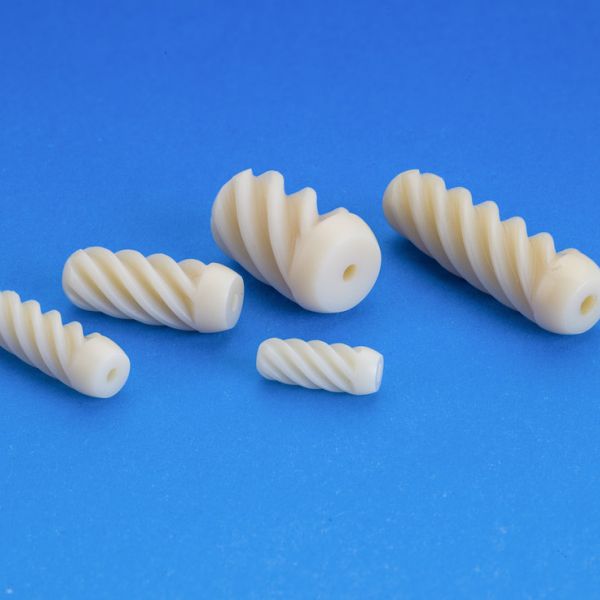
Novel bioresorbable, tissue-healing surgical device approved by FDA
A new surgical tendon fixation system that not only re-attaches damaged tissues but also facilitates healing as it is absorbed by the body has been granted 510(k) clearance by the U.S. Food and Drug Administration, indicating that the device is “as safe and effective” as other legally marketed devices and is ready to go to market.
Full Article

Oct 21, 2020
Mouthwashes, oral rinses may inactivate human coronaviruses
Certain oral antiseptics and mouthwashes may have the ability to inactivate human coronaviruses, according to a Penn State College of Medicine research study.
Full Article
Oct 19, 2020
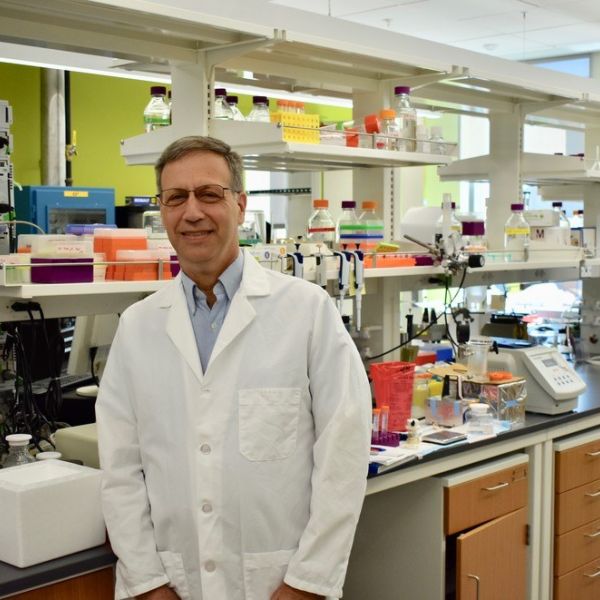
Andrew Zydney Shares Continuous Bioprocessing Strategies with a Global Audience
Andrew Zydney, Ph.D., continued sharing his knowledge of bioprocessing with a global audience when he recently spoke at the “BioProcess International” Conference, held virtually for the first time in 2020.
Full Article
Oct 16, 2020
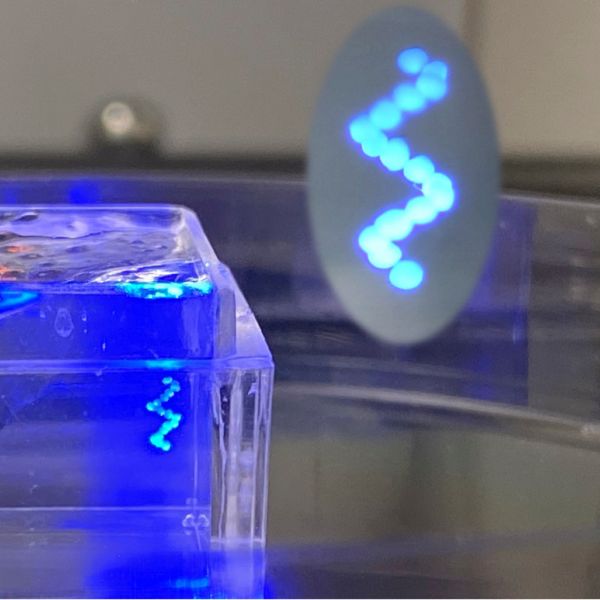
Gel instrumental in 3D bioprinting biological tissues
The eventual creation of replacement biological parts requires fully three-dimensional capabilities that two-dimensional and three-dimensional thin-film bioprinting cannot supply. Now, using a yield stress gel, Penn State engineers can place tiny aggregates of cells exactly where they want to build the complex shapes that will be necessary to replace bone, cartilage and other tissues.
Full Article
Oct 15, 2020
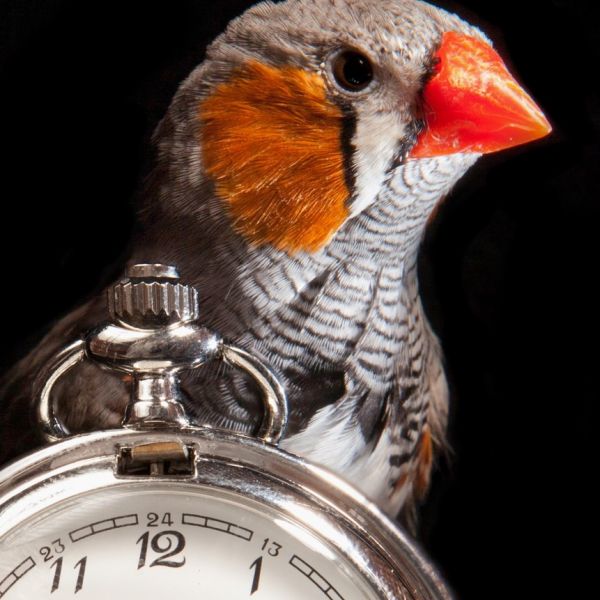
Researchers deconstruct the 'biological clock' that regulates birdsong
The precise timing of a bird's complex song is driven in part by the often-ignored “wires” connecting neurons in the bird's brain, according to a new study. A team of researchers from Penn State and NYU Langone Health has deconstructed an important “biological clock” that regulates birdsong and other behaviors, leading to new ways of thinking about the function of neuronal networks.
Full Article
Oct 14, 2020
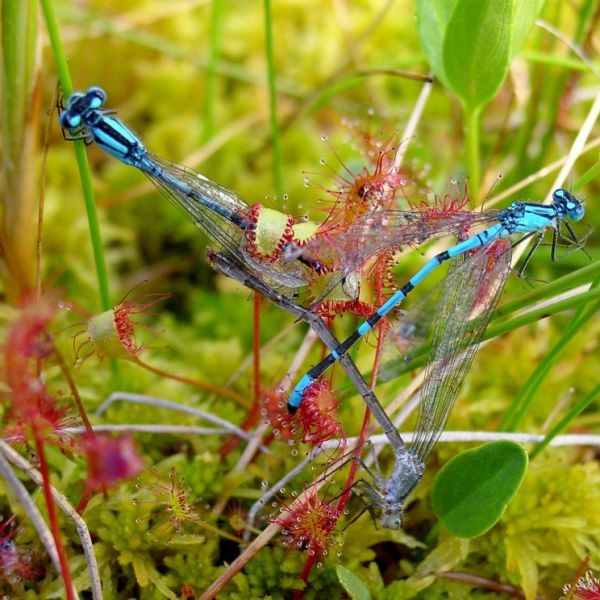
Grant supports study of how carnivorous plants repurpose genes to digest prey
A Penn State researcher has received funding to examine the genetic mechanisms that enable carnivorous plants to repurpose defense proteins to digest their insect prey.
Full Article