News

Nov 30, 2020
Warbler coloration shaped by evolution via distinct paths
Two genes that are important for the diverse colors and patterns of warbler plumage have evolved through two very different processes, according to a new study led by Penn State researchers. These evolutionary processes could help explain the rapid evolution of these songbirds into so many unique species.
Full Article

Nov 30, 2020
Biomedical engineers find active particles swim against the current
Researchers are beginning to understand the behavior of so-called “active” particles, which, if it can be controlled, has potential implications for engineered drug delivery systems and smart 3D printing, according to an interdisciplinary Penn State research team.
Full Article
Nov 19, 2020
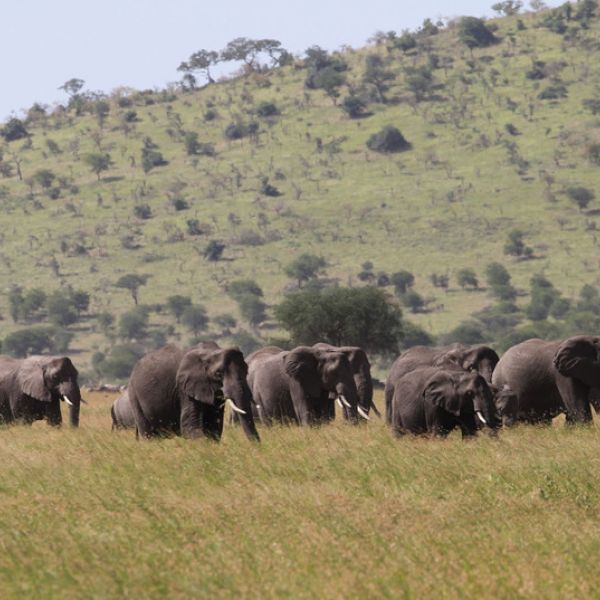
Elephant genetics guide conservation
New study recommends preserving wildlife corridors between protected areas to maintain genetic connections between African elephant populations
Full Article

Nov 19, 2020
Penn State COVID experts urge students to consider avoiding family gatherings
A pair of University experts, speaking for the clinical and research arms of Penn State's COVID-19 response, have called for caution as students prepare to return home at the end of the semester.
Full Article
Nov 19, 2020
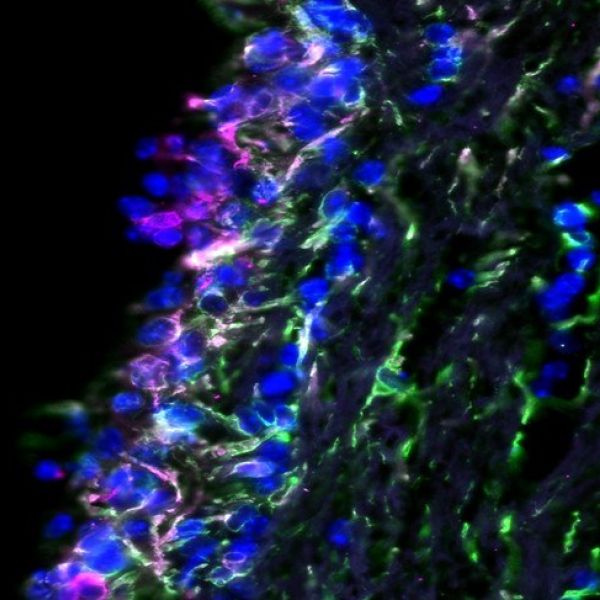
Altered 'coat' disguises fatal brain virus from neutralizing antibodies
A genetic modification in the ‘coat’ of a brain infection-causing virus may allow it to escape antibodies, according to Penn State College of Medicine researchers.
Full Article
Nov 17, 2020
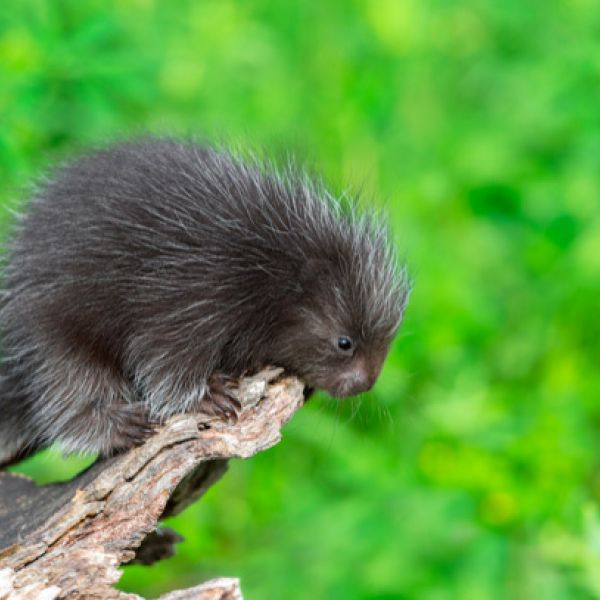
Spring symposium, seed grants to promote transdisciplinary biodiversity research
The Sustainability Institute at Penn State is hosting transdisciplinary symposia on biodiversity throughout the spring 2021 semester.
Full Article
Nov 11, 2020
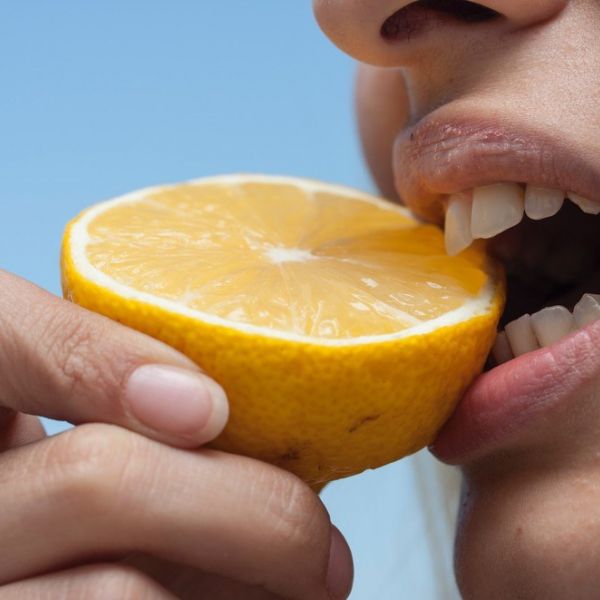
Smell and taste changes provide early indication of COVID-19 community spread
Self-reports of smell and taste changes provide earlier markers of the spread of infection of SARS-CoV-2 than current governmental indicators, according to an international team of researchers. The researchers also observed a decline in self-reports of smell and taste changes as early as five days after lockdown enforcement, with faster declines reported in countries that adopted the most stringent lockdown measures.
Full Article
Nov 09, 2020
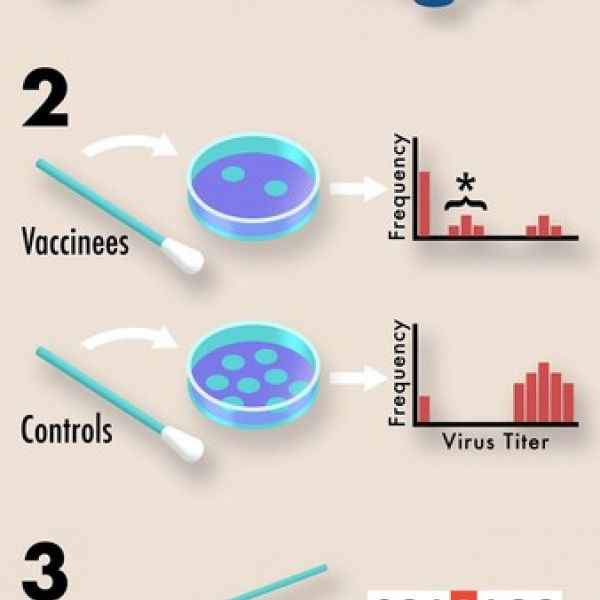
Could SARS-CoV-2 evolve resistance to COVID-19 vaccines?
Similar to bacteria evolving resistance to antibiotics, viruses can evolve resistance to vaccines, and the evolution of SARS-CoV-2 could undermine the effectiveness of vaccines that are currently under development, according to a paper published Nov. 9 in the open-access journal PLOS Biology by David Kennedy and Andrew Read from Penn State.
Full Article
Nov 09, 2020
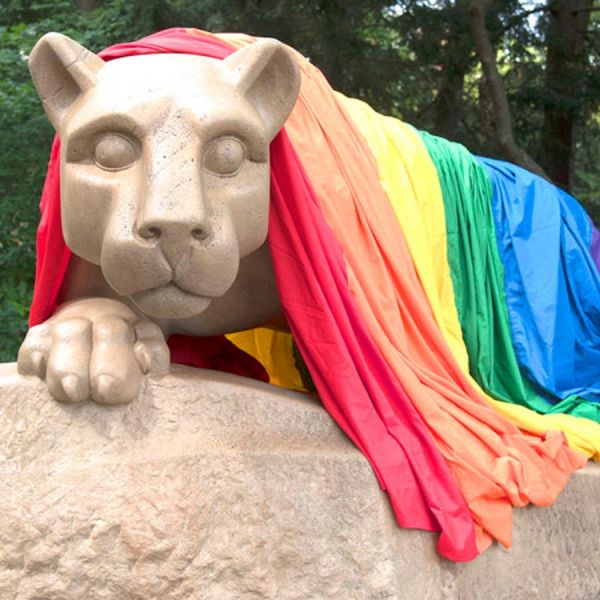
Rainbow Science Network: Inclusive scientists, inclusive science
After six months of design and preparation, the Rainbow Science Network (RSN) launched in October and is ready to assist in fostering a fully inclusive environment in research groups in the Eberly College of Science.
Full Article

Nov 09, 2020
Ganesh Anand joins Department of Chemistry as associate professor
Ganesh Anand will be joining the Eberly College of Science this November as an associate professor of chemistry.
Full Article