News
Jun 16, 2025
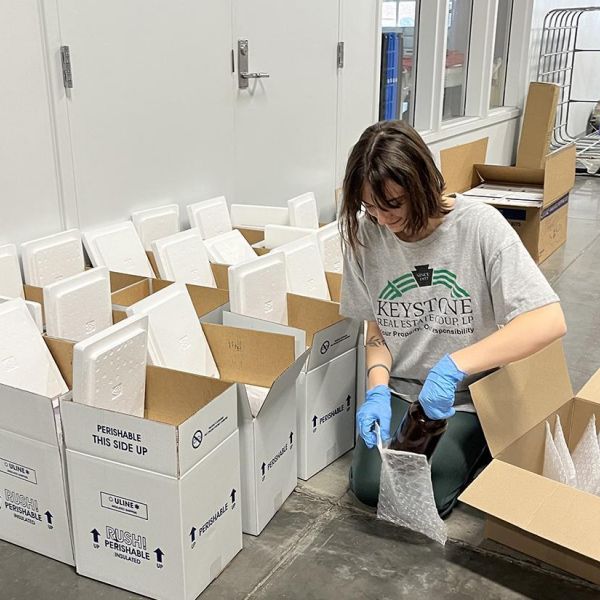
‘Forever chemicals’ detected in 65% of sampled private wells in Pennsylvania
Researchers find 18% of sampled wells have PFAS levels beyond drinking water standards; compounds detected most often, and in the highest concentrations, in wells in the southeastern part of the state.
Full Article
Jun 03, 2025
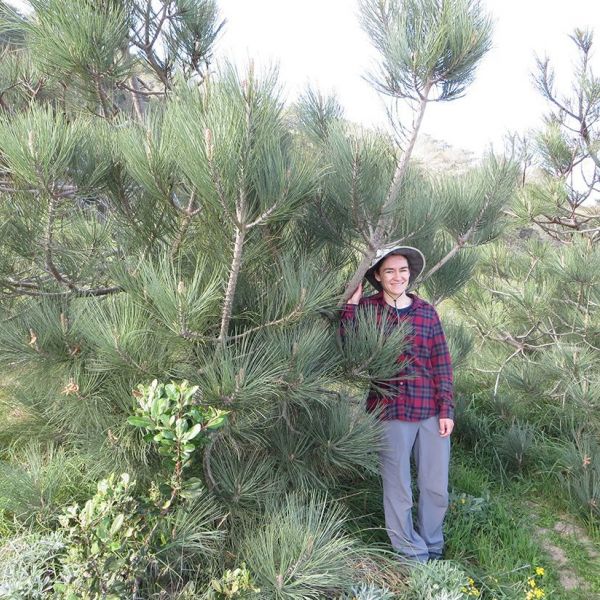
Isolated Torrey pine populations yield insights into genetic diversity
Researchers find a few genes that allowed trees from insular populations to adapt to local conditions may inhibit their adjustment long term to a new location.
Full Article

Jun 03, 2025
Penn State’s Youth Food Lab attends UN Science, Technology, Innovation forum
Penn State’s College of Agricultural Sciences was represented on the global stage as faculty and students participated in the United Nations’ 10th Multi-stakeholder Forum on Science, Technology and Innovation for the Sustainable Development Goals, held at U.N. headquarters in New York City earlier this month.
Full Article

May 29, 2025
Biology professor, Huck associate operations director to retire
After a decade of service to the Huck Institutes of the Life Sciences and a distinguished academic career spanning four decades, James Marden, professor of biology and associate director of operations, will retire from Penn State at the end of June.
Full Article
May 23, 2025
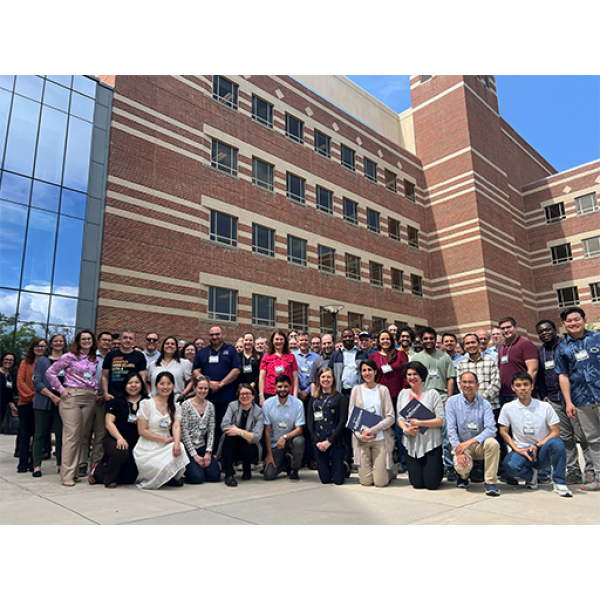
Penn State agricultural technology event aimed at ‘closing the innovation gap’
Penn State’s College of Agricultural Sciences will convene leaders from academia, industry, government and stakeholder networks for a symposium focused on accelerating agricultural innovation through cross-sector collaboration.
Full Article
May 09, 2025
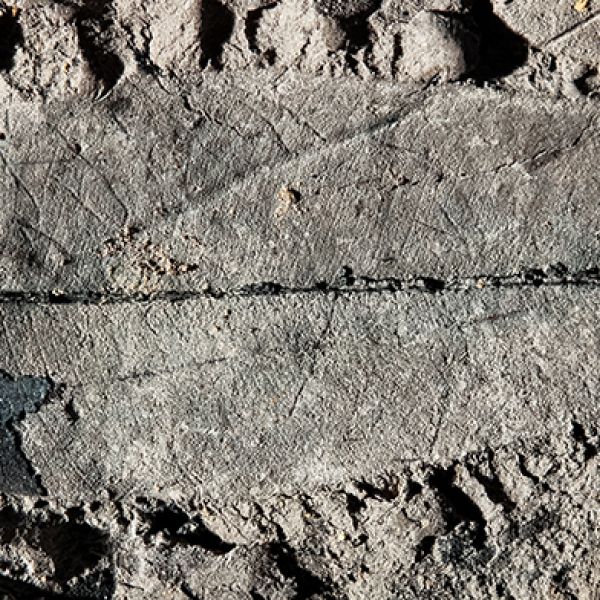
First fossil evidence of endangered tropical tree discovered
The finding offers new insights into Asia’s rainforest history, researchers say.
Full Article
May 02, 2025
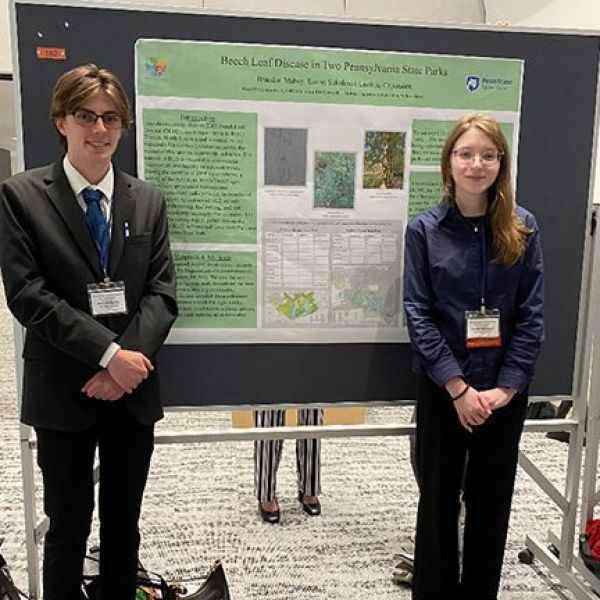
Students, faculty find evidence of beech leaf disease in two state parks
Penn State Wilkes-Barre student and lecturer and Penn State Scranton student present research poster during Pennsylvania Academy of Science meeting.
Full Article

Apr 30, 2025
Celebrating James Marden: A Decade of Impact and a Lifetime of Achievement
After a decade of exceptional service to the Huck Institutes of the Life Sciences and a distinguished academic career spanning four decades, James Marden, professor of biology and associate director of operations, will retire from Penn State at the end of June 2025.
Full Article
Apr 25, 2025
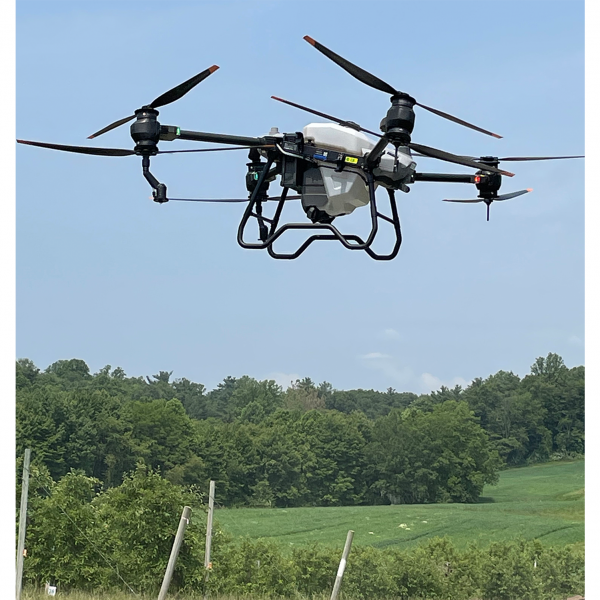
Are drones the future of tree fruit production? Researchers investigate
A team of researchers in Penn State’s College of Agricultural Sciences is addressing the growing interest among tree fruit growers in Pennsylvania and the Northeast in adopting drone-based spraying systems for high-density apple and peach orchards.
Full Article
Apr 25, 2025
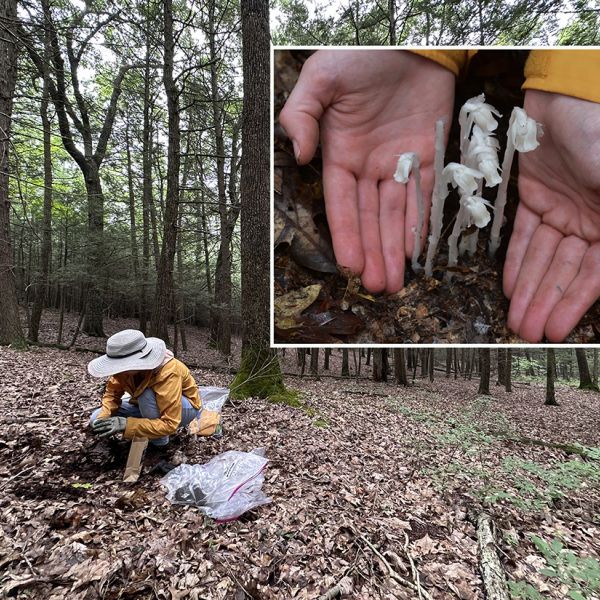
Traditional forest medicinal plant ghost pipe used differently today
Driven by the internet and social media, consumption of a strange white plant known as ghost pipe is enjoying a resurgence — but with a twist.
Full Article