The Center for Malaria Research (CMaR) at Penn State University brings together a large number of research groups that focus on the malaria parasite and its mosquito vector (an insect that transmits disease-causing pathogens) providing a unique environment to study this global human health burden.
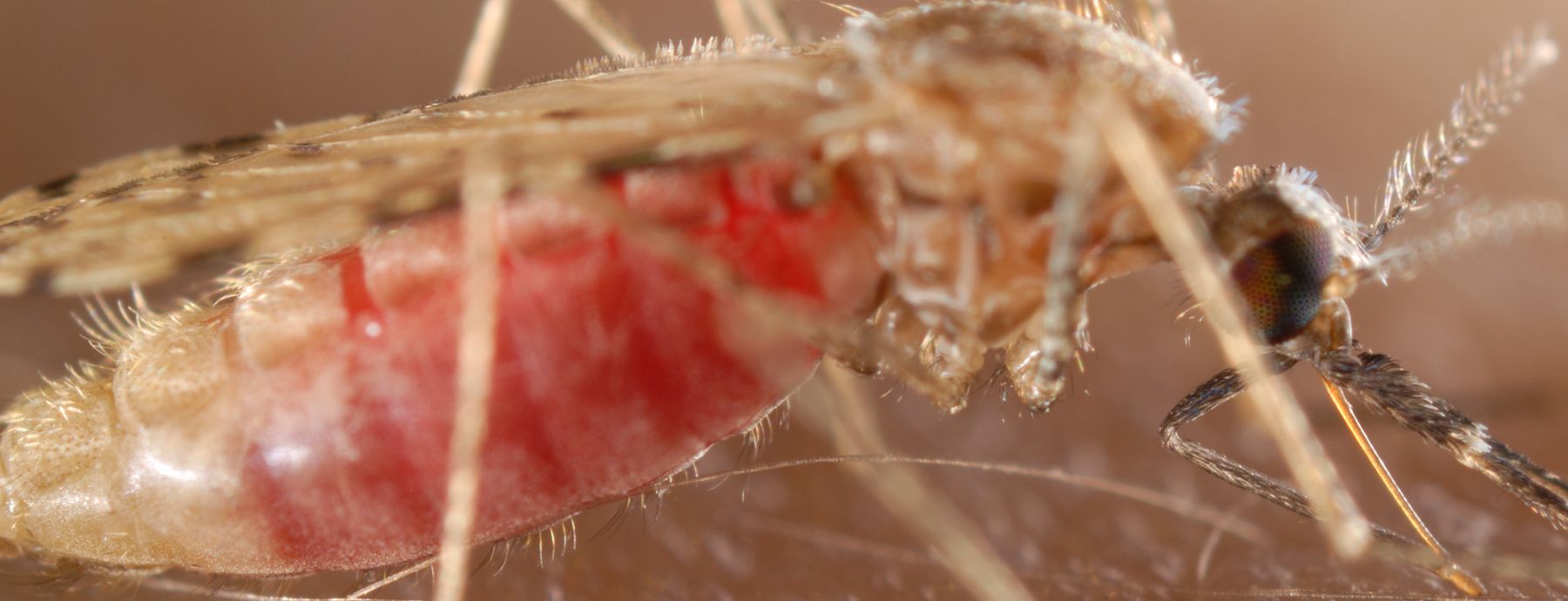
Malaria is a life-threatening disease caused by Plasmodium parasites, which are transmitted to humans through the bite of infected female Anopheles mosquitoes. Malaria primarily affects people in tropical and subtropical regions, with the highest burden being in sub-Saharan Africa. Symptoms include fever, chills, fatigue, and, in severe cases, organ failure or death. Despite progress in prevention and treatment, malaria continues to claim hundreds of thousands of lives each year—most of them children under five.
- Global Health Impact: Malaria remains one of the world’s most significant infectious diseases, with over 200 million cases annually.
- Drug and Insecticide Resistance: Both malaria parasites and mosquitoes are evolving resistance to current treatments and control methods, making innovation essential.
- Economic and Social Burden: Malaria slows economic growth and strains healthcare systems in affected regions.
- Climate Change: Shifting weather patterns may expand mosquito habitats, increasing malaria risk in new areas.
- Eradication Goals: Research drives the development of vaccines, new medicines, and advanced mosquito control strategies—critical steps toward a malaria-free world.
Investing in malaria research saves lives, strengthens communities, and moves us closer to global eradication. Every breakthrough brings hope for a future where no one suffers from this preventable disease.