News
Sep 16, 2019
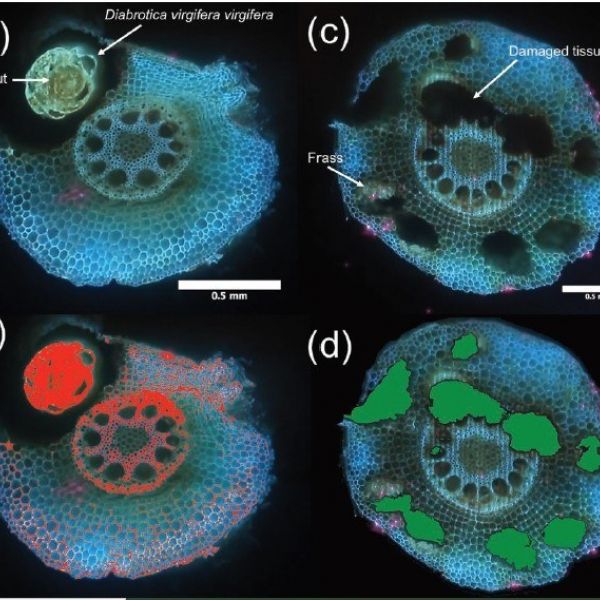
Novel use of laser technology reveals interactions between roots, soil organisms
A novel use of a custom laser system — developed in Penn State’s College of Agricultural Sciences eight years ago — allows researchers to see how soil organisms affect plant roots.
Full Article
Sep 11, 2019
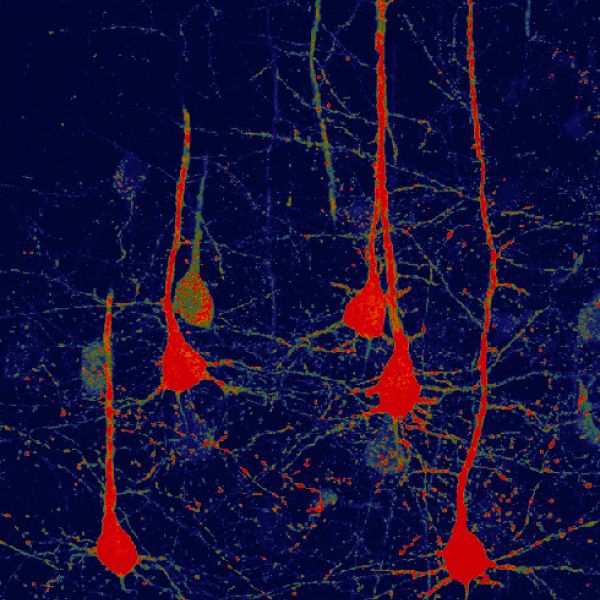
Gene therapy helps functional recovery after stroke
A new gene therapy turns glial cells—abundant support cells in the brain—into neurons, repairing damage that results from stroke and significantly improving motor function in mice.
Full Article
Sep 10, 2019
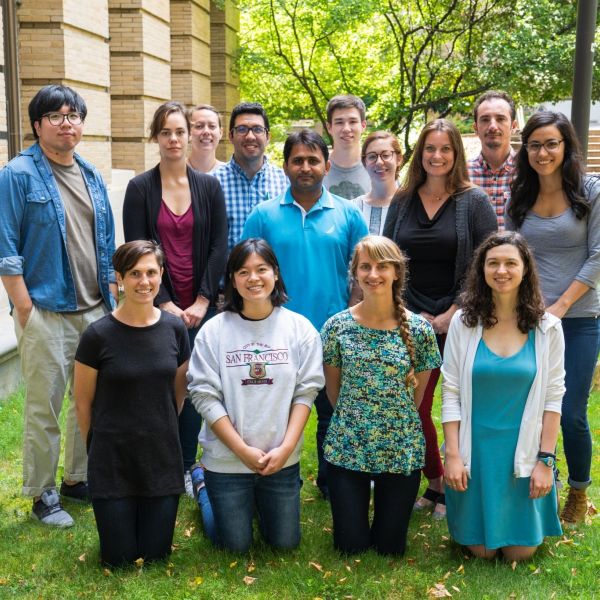
New DAWG Chews On Microbiome Datasets
Mara Cloutier is passionate about researching microbiomes and opening up this rapidly expanding field of study to others through the Data Analysis Working Group.
Full Article

Sep 10, 2019
Mechanical engineering professor to forge frontier of biomolecular computing
Joseph Najem has joined the Penn State Department of Mechanical Engineering as an assistant professor, where he will continue his work researching and developing multifunctional biomolecular materials.
Full Article

Sep 04, 2019
Methane-producing microorganism makes a meal of iron
Manipulating iron could alter production of this greenhouse gas
Full Article

Sep 03, 2019
Livestock disease risk tied to herd management style in Tanzania
A new study provides an updated picture of the prevalence of the sheep and goat plague virus (PPRV), a widespread and often fatal disease that threatens 80 percent of the world’s sheep and goats, in Northern Tanzania.
Full Article

Aug 28, 2019
New insights into genetic basis of bird migration
A gene newly associated with the migratory patterns of golden-winged and blue-winged warblers could lend insight into the longstanding question of how birds migrate across such long distances.
Full Article
Aug 26, 2019
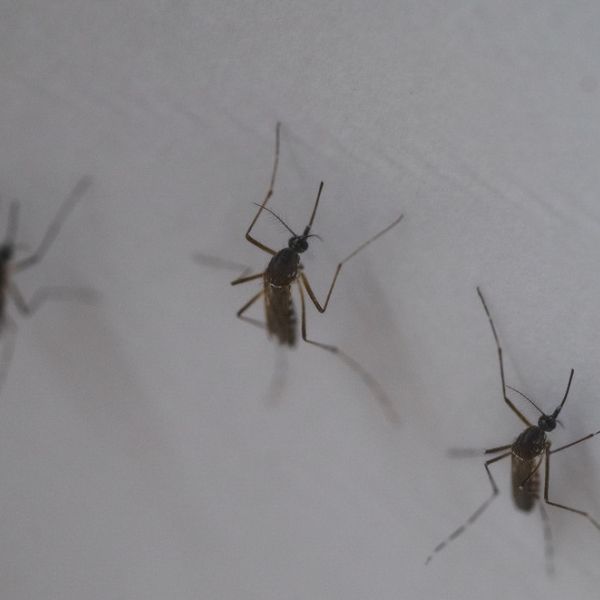
Research predicts stability of mosquito-borne disease prevention
More than half of the people in the world, including in the United States, live alongside Aedes aegypti — the mosquito that transmits dengue, Zika and other often deadly viruses. Dengue virus, alone, infects nearly 400 million people worldwide each year.
Full Article

Aug 26, 2019
New Faculty Position at Huck Institutes and Department of Biomedical Engineering
A tenure-line faculty position is available in the field of cell therapies and biomanufacturing.
Full Article

Aug 22, 2019
Engineering faculty named senior members of the National Academy of Inventors
Two professors in the Department of Engineering Science and Mechanics honored for work as inventors.
Full Article