News

Apr 01, 2020
Proposals being accepted for ecology research funding
The Ecology Institute announced a call for proposals for its Flower Grant program. The funds aim to support ecology research focused across the institute’s five core themes: resilience and adaptation; provision of ecosystem goods and services; ecology at the interface; rapid evolutionary change; and ecological foundations.
Full Article

Mar 31, 2020
China’s control measures may have prevented 700,000 COVID-19 cases
China’s control measures during the first 50 days of the COVID-19 epidemic may have delayed the spread of the virus to cities outside of Wuhan by several days and, by interrupting transmission nationwide, prevented more than 700,000 infections across the country, according to an international team of researchers.
Full Article

Mar 26, 2020
Researchers mobilize to study COVID-19 from multiple angles
Penn State funds 17 research proposals, ranging from vaccine development to improved predictive modeling, with more to come.
Full Article
Mar 24, 2020
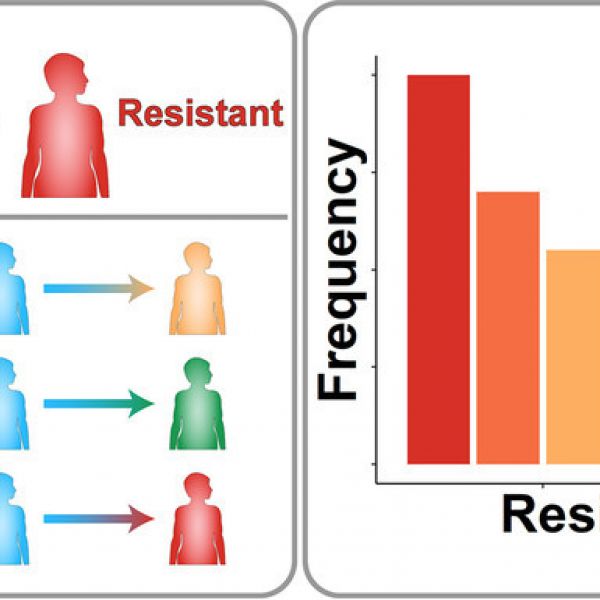
Engineers model mutations causing drug resistance
Whether it is a drug-resistant strain of bacteria, or cancer cells that no longer react to the drugs intended to kill them, diverse mutations make cells resistant to chemicals, and "second generation" approaches are needed. Now, a team of Penn State engineers may have a way to predict which mutations will occur in people, creating an easier path to create effective pharmaceuticals.
Full Article

Mar 23, 2020
Penn State infectious disease experts answer COVID-19 questions via video
Brief “Ask CIDD” videos will inform the public with accurate answers to the most pressing Coronavirus questions.
Full Article

Mar 23, 2020
Penn State funds first round of COVID-19 research proposals
One week after launching a rapid-fire call for proposals, awards are granted to six projects that address the global pandemic, with more to follow
Full Article

Mar 19, 2020
Social distancing tips from a Penn State expert
As guidance from leading health organizations and the federal government continues to evolve, epidemiologist Matt Ferrari, associate professor of biology at Penn State, shares his expertise on some of our most frequently asked questions.
Full Article

Mar 19, 2020
Developing a novel oral antibiotic to treat multidrug-resistant gonorrhea
Up to $2.86M has been awarded to a research team including Penn State scientists to develop a new oral antibiotic to treat multidrug-resistant gonorrhea, a sexually transmitted disease caused by bacteria that have developed resistance to all but one existing antibiotic.
Full Article

Mar 18, 2020
Improving success of giraffe translocations
Researchers advise that Giraffes being translocated for conservation purposes should be moved in groups that contain at least 30 females and three males to ensure long-term population success.
Full Article
Mar 17, 2020
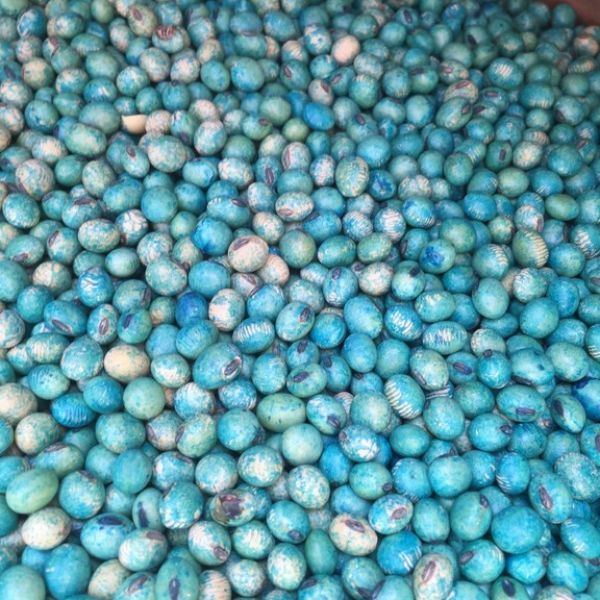
Pesticide seed coatings are widespread but underreported
Pesticide-coated seeds — such as neonicotinoids, many of which are highly toxic to both pest and beneficial insects — are increasingly used in the major field crops, but are underreported, in part, because farmers often do not know what pesticides are on their seeds, according to an international team of researchers.
Full Article