News
Apr 22, 2020
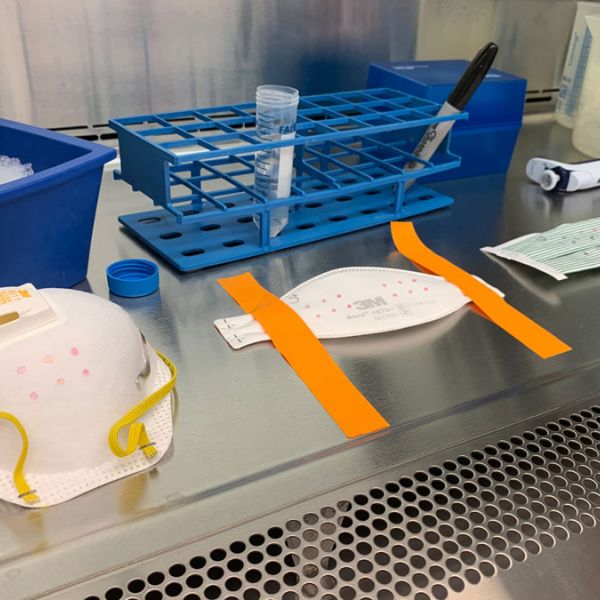
New decontamination protocol permits reuse of N95 respirators
The COVID-19 pandemic has created a shortage of personal protective equipment, including “N95” respirators, needed by frontline healthcare providers. A new protocol using aerosolized hydrogen peroxide to decontaminate N95 respirators could allow them to be safely reused in some hospital settings, where the disinfectant is already being used for other decontamination purposes.
Full Article

Apr 22, 2020
Researchers to study impact of COVID-19 and social distancing on families
Since social distancing has been implemented to slow the spread of COVID-19, many families are experiencing high levels of stress and conflict — arguments and conflict between parents, between parents and children, and between siblings.
Full Article
Apr 20, 2020
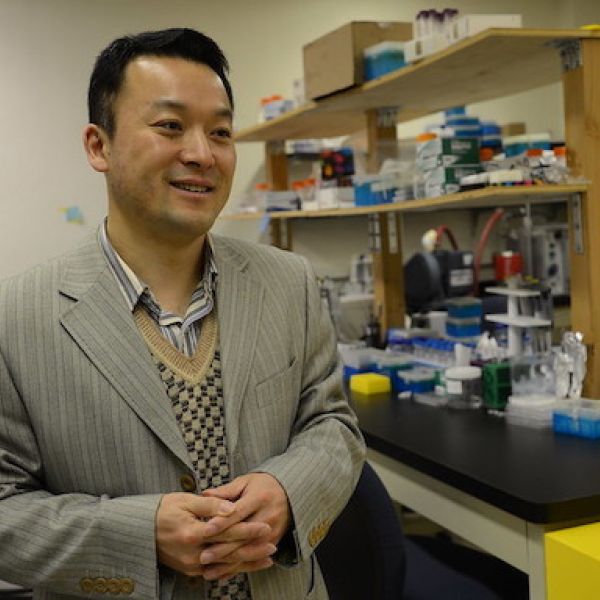
Penn State engineer aims to tackle COVID-19 from two angles
To combat COVID-19 in both the treatment and testing arenas, Yong Wang, Penn State professor of biomedical engineering, has received two grants from the Huck Institutes of the Life Sciences COVID-19 multi-institute seed grant fund.
Full Article
Apr 14, 2020
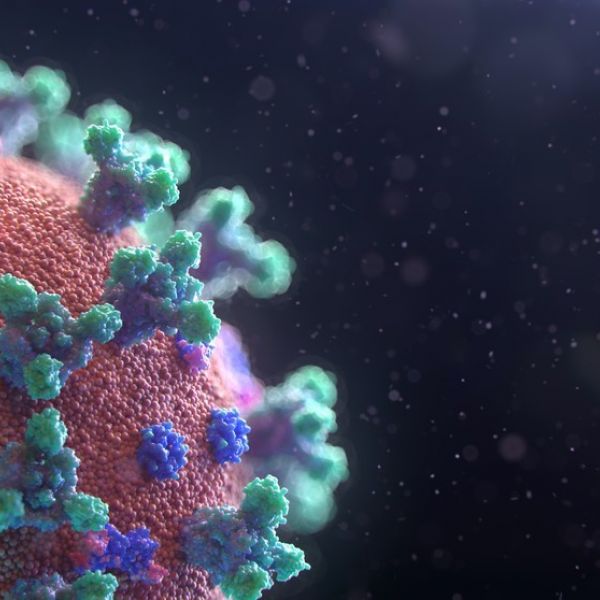
Seed grants jump-start 47 interdisciplinary teams to conduct COVID-19 research
The multi-institute initiative is providing a total of $2.25 million to help researchers leverage external support toward the creation of solutions to the myriad health, social and economic problems caused by COVID-19.
Full Article

Apr 10, 2020
Bioinformatics Community Mourns Huck Alum James Taylor
Highly esteemed data scientist and advocate worked with a number of Huck Institutes researchers at the Center for Comparative Genomics and Bioinformatics.
Full Article

Apr 09, 2020
Bryant honored with Kettering Award for excellence in photosynthesis research
Donald A. Bryant, Ernest C. Pollard Professor of Biotechnology and professor of biochemistry and molecular biology at Penn State, has been awarded the Charles F. Kettering Award from the American Society of Plant Biologists. The award was established by an endowment from the Kettering Foundation in 1962 and recognizes meritorious work in photosynthesis.
Full Article

Apr 06, 2020
Efforts to control livestock disease should focus on management style, not age
The risk of transmitting the virus PPRV, which produces a highly infectious and often fatal disease in sheep and goats, does not appear to vary significantly by an animal’s age, unlike its sibling virus measles, which is most prominent in children.
Full Article

Apr 02, 2020
Penn State researchers explore what's next with COVID-19 in videos
How will COVID-19 end? Matthew Ferrari and Nita Bharti of the Penn State Center for Infectious Disease Dynamics (CIDD) explore this question in a new video produced in collaboration with WPSU. With volunteer assistance from Penn State faculty and staff from across the campuses, the video will be available with subtitles in 10 languages.
Full Article

Apr 02, 2020
Explore Grants to help researchers search for COVID-19 solutions
Penn State researchers interested in using computational resources to address the COVID-19 pandemic are encouraged to apply for support through the Institute for Computational and Data Sciences’ (ICDS) Explore Grant program.
Full Article

Apr 01, 2020
Penn State engineer developing device that may be able to test for COVID-19
A point-of-care testing device that may help diagnose the novel coronavirus disease (COVID-19) is under development by Weihua Guan, assistant professor of electrical engineering in Penn State’s College of Engineering.
Full Article