News

Sep 16, 2020
Liana Burghardt awarded Tansley Medal for excellence in plant science
Assistant Professor of Plant Science recognized for outstanding research contributions early in her career.
Full Article

Sep 11, 2020
NSF funding to bolster research communication strategies project
Penn State’s Research-to-Policy Collaboration (RPC) is expanding a project to better respond to legislators’ needs for social and behavioral research related to the coronavirus pandemic with new funding from the National Science Foundation.
Full Article
Sep 09, 2020
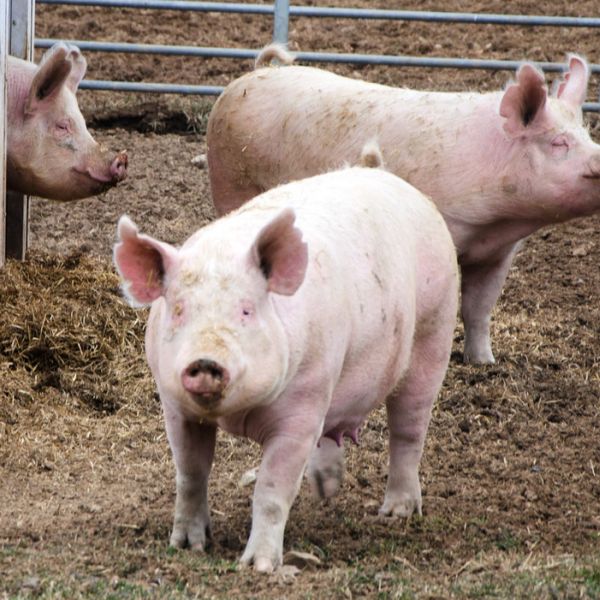
Penn State researchers to study novel coronavirus potential to infect livestock
A grant from the U.S. Department of Agriculture will enable Penn State researchers to study the potential for SARS-CoV-2, the novel coronavirus that causes COVID-19, to infect and spread among livestock.
Full Article
Sep 08, 2020
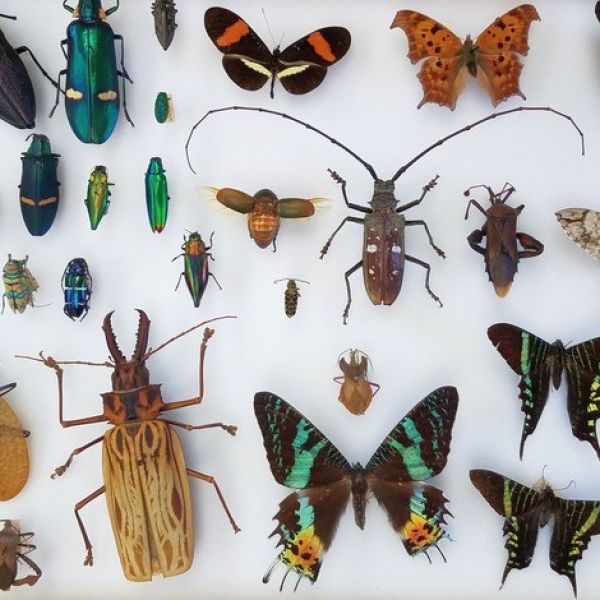
Insect Biodiversity Center to promote insect conservation, healthy ecosystems
Penn State's new Insect Biodiversity Center brings together faculty researchers and educators from 8 colleges to study and celebrate insect diversity in science and practice in an effort to conserve insects and the ecosystems in which they live.
Full Article

Sep 07, 2020
Pollinator project supports biodiversity at Penn State Orchard Road solar array
An innovative project is creating a buzz around Penn State’s University Park campus, especially among the many species of pollinators that call Centre County home.
Full Article

Sep 01, 2020
School of Hospitality Management develops profit planning tool for restaurants
During the easiest of times, restaurant operators are extremely busy. Now, as the COVID-19 pandemic and related governmental restrictions disrupt the restaurant industry, operating a restaurant is even more challenging, fraught, and time-consuming. To help restaurant operators weather this period of extreme instability, researchers in Penn State’s School of Hospitality Management developed an easy-to-use, profit planning tool.
Full Article

Sep 01, 2020
Biomedical engineering graduate student receives Blue Flame Award
Lauren Randolph, a graduate research assistant in biomedical engineering at Penn State, has received the Blue Flame Award, given by Addgene, a non-profit plasmid repository. Addgene presents the award to researchers with at least one plasmid deposited at Addgene that has been distributed to other researchers more than 100 times.
Full Article
Aug 28, 2020
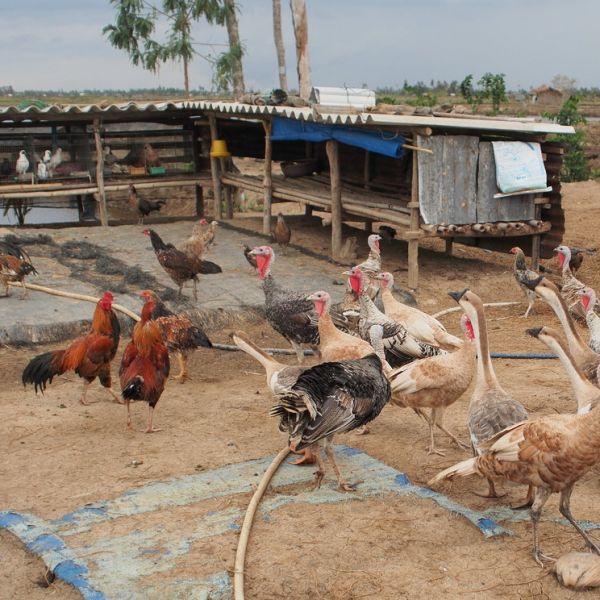
Vietnam farmers' poultry sales during outbreaks may increase virus transmission
Small-scale poultry farmers in Vietnam tend to respond to viral outbreaks of highly pathogenic avian influenza (HPAI) by rapidly selling their birds as a way to avoid financial loss, according to a new study by an international team of researchers. As these birds are commingled with other birds in markets and trading networks, this practice may increase the likelihood of widespread disease transmission.
Full Article
Aug 25, 2020
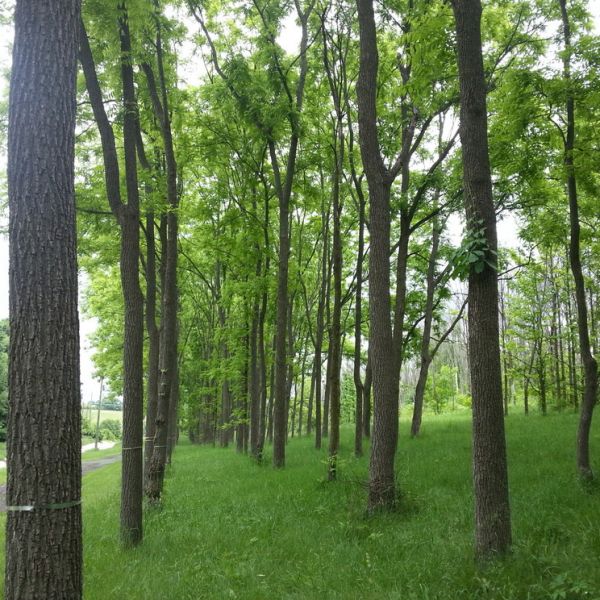
Penn State black walnut trial turns 40, now ideal climate-change experiment
Visitors to Penn State’s University Park campus often arrive with a short list of attractions they want to see. Among the most popular are the Nittany Lion Shrine, the Berkey Creamery and The Arboretum at Penn State. However, few are aware of the Black Walnut Provenance Study, let alone care to visit it.
Full Article

Aug 25, 2020
Measles outbreaks in Niger linked to rainfall and temperature, study finds
Rainfall and temperature drive agricultural activity, which, in turn, influences patterns of measles outbreaks in the West African nation of Niger, according to an international team of researchers. The findings may be useful for improving vaccine coverage for seasonally mobile populations within Niger and other countries.
Full Article