News
May 17, 2021
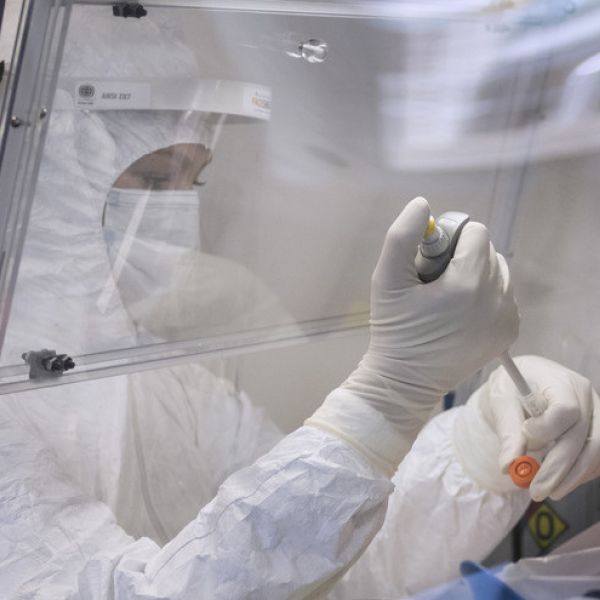
Photo Gallery: A New Home for Ancient DNA
Penn State, the College of the Liberal Arts, and the Department of Anthropology are going online with the new Penn State Ancient Biomolecules Research Environment, or PSABRE. The new facility is one of the largest ancient DNA laboratories in the United States and will host a variety of University and international research teams.
Full Article
May 14, 2021
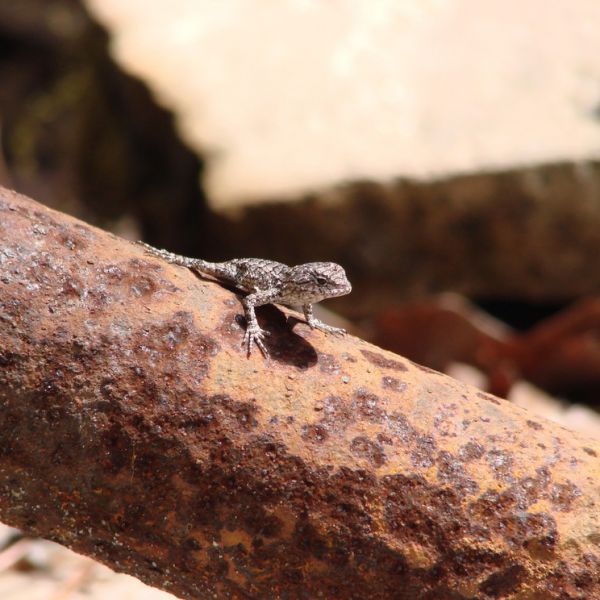
Maternal stress during pregnancy may shorten lifespans of male lizard offspring
Mother fence lizards that experience stress during pregnancy give birth to male offspring with shortened telomeres, or bits of non-coding DNA that cap the ends of chromosomes, according to a Penn State-led study.
Full Article
May 13, 2021
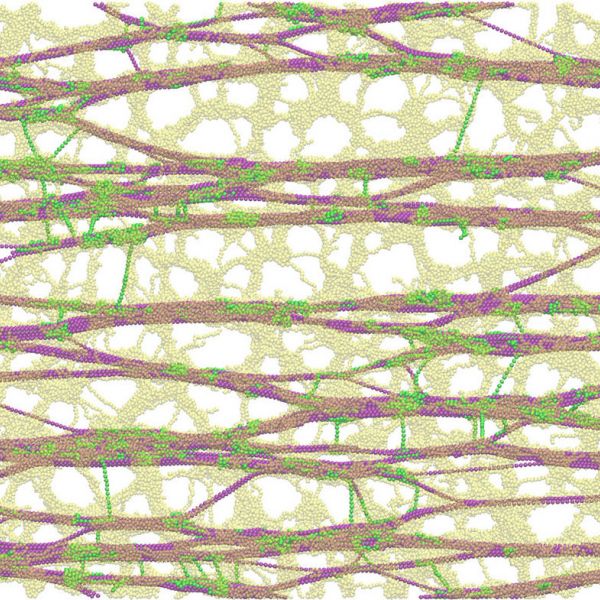
What makes plant cell walls both strong and extensible?
A plant cell wall’s unique ability to expand without weakening or breaking — a quality required for plant growth — is due to the movement of its cellulose skeleton, according to new research that models the cell wall.
Full Article
May 10, 2021
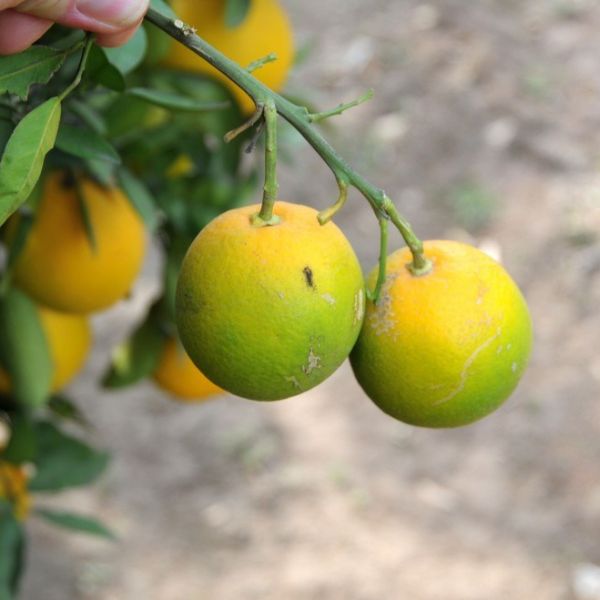
CRISPR/Cas technology could enable early diagnosis of devastating citrus disease
Penn State and U.S. Department of Agriculture scientists have used cutting-edge CRISPR/Cas technology to develop a diagnostic test that could enable early diagnosis of citrus greening, or Huanglongbing, a serious disease that threatens worldwide citrus production.
Full Article

May 07, 2021
Pioneering chemist Stephen Benkovic elected Foreign Member of Royal Society 6
Stephen Benkovic, Evan Pugh Professor and Holder of the Eberly Family Chair in Chemistry at Penn State, has been elected a Foreign Member of the Royal Society, the national academy of science in the United Kingdom. The society, founded in 1660, aims to recognize, promote and support excellence in science and to encourage the development and use of science for the benefit of humanity.
Full Article
May 05, 2021
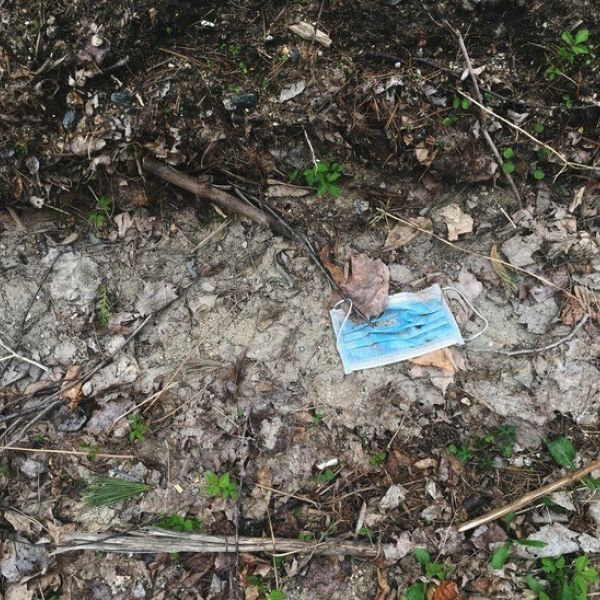
Models project COVID-19 cases may spike in May, before sharply declining by July
With lower use of public health measures, such as mask wearing, COVID-19 cases are projected to increase and peak during May 2021, but high vaccination uptake and moderate compliance with public health recommendations could mitigate surges in hospitalizations and deaths in the coming months, according to new model projections.
Full Article

May 04, 2021
Three Penn State faculty elected to National Academy of Sciences
Nina Jablonski, Evan Pugh University Professor of Anthropology; Jainendra K. Jain, Evan Pugh University Professor and Erwin W. Mueller Professor of Physics; and Peter Mészáros, Eberly Chair Professor, emeritus, of Astronomy and Astrophysics, have been recognized for their distinguished and continuing achievements in original research.
Full Article
May 03, 2021
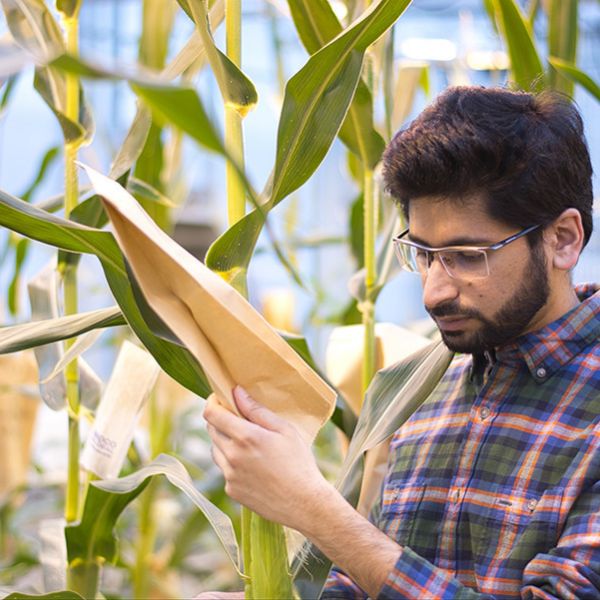
Mutant corn gene boosts sugar in seeds, leaves, may lead to breeding better crop
An abnormal build up of carbohydrates — sugars and starches — in the kernels and leaves of a mutant line of corn can be traced to one misregulated gene, and that discovery offers clues about how the plant deals with stress.
Full Article

May 03, 2021
The micro-environment of breast cancer in three dimensions
Cancerous tumors thrive on blood, extending their roots deep into the fabric of the tissue of their host. They alter the genetics of surrounding cells and evolve to avoid the protective attacks of immune cells. Now, Penn State researchers have developed a way to study the relationship between solid, difficult-to-treat tumors and the microenvironment they create to support their growth.
Full Article

Apr 28, 2021
Searching for a safeguard
Penn State researchers are applying decades of expertise toward the development of complementary COVID-19 vaccine candidates.
Full Article