News
Apr 23, 2025
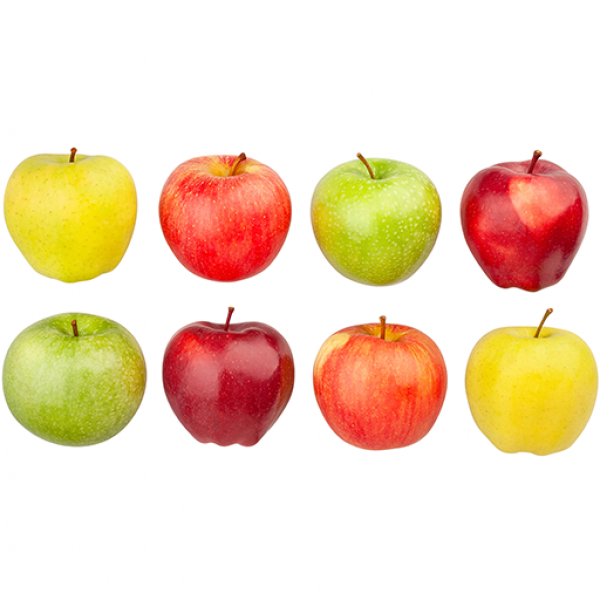
How do you like them apples? Apple genus evolution revealed
A new comparison and analysis of the genomes of species in the genus Malus, which includes the domesticated apple and its wild relatives, revealed the evolutionary relationships among the species and how their genomes have evolved over the past nearly 60 million years.
Full Article
Apr 16, 2025
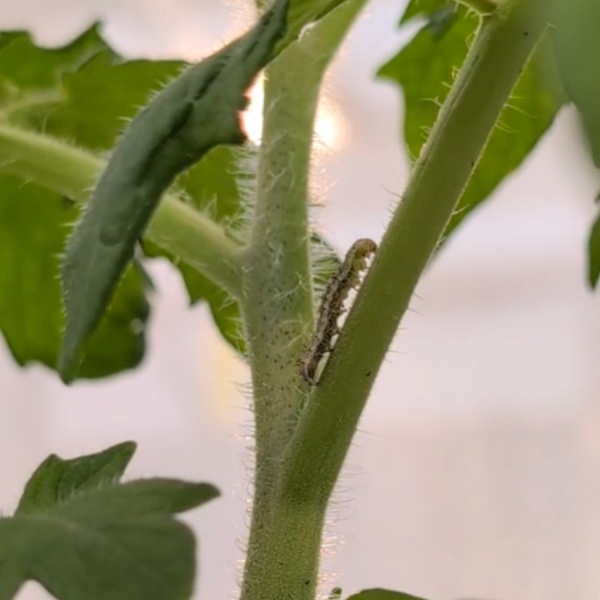
Feeling salty? Increased salt stress reduces tomato pest activity
Increased soil salinity can reduce damage from prominent tomato pests such as the tomato fruitworm, according to researchers at Penn State. They published their findings in the Journal of Plant, Cell and Environment.
Full Article
Apr 07, 2025
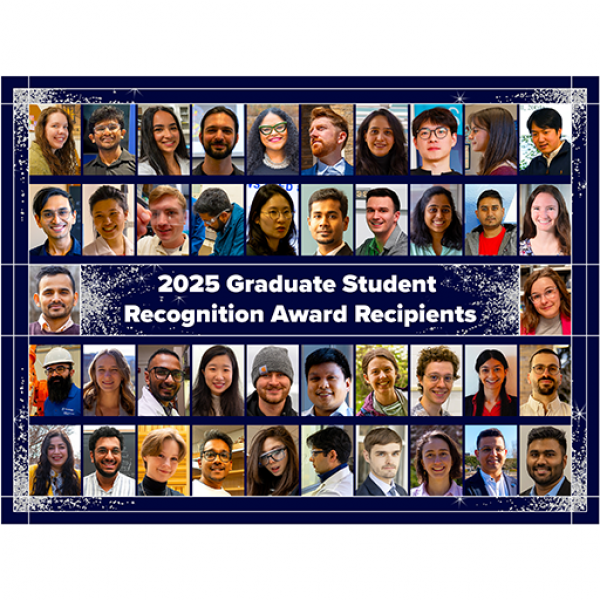
Forty-two graduate students recognized with University awards
Annual awards celebrate graduate students' impact in research, scholarship, teaching, outreach and more.
Full Article
Apr 04, 2025
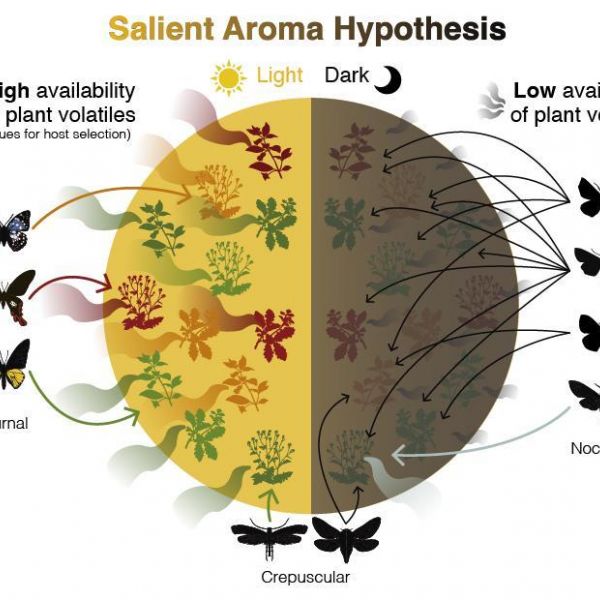
Picky eaters by day, buffet by night: Butterfly, moth diets sync to plant aromas
In a recent study published in the journal Proceedings of the Royal Society B, an international team of researchers tested a new hypothesis for why some Lepidoptera have very specific diets, feeding on only a few types of plants, while others are far less picky.
Full Article
Mar 18, 2025
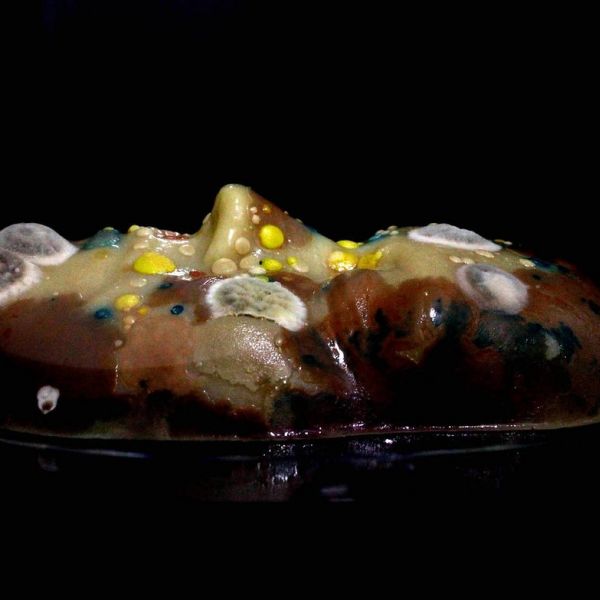
BioArtist Mellissa Monsoon to present 'Collaborating with Microbes'
The One Health Microbiome Center and College of Arts and Architecture are co-hosting three events as part of a multi-year SciArt collaboration.
Full Article

Mar 14, 2025
Plant biologist awarded the Masatoshi Nei Innovation Prize in Biology
Sarah Assmann, Waller Professor of Plant Biology at Penn State, has been awarded the Masatoshi Nei Innovation Prize in Biology. The award was established through a generous gift from Masatoshi Nei, professor emeritus of biology at Penn State; Laura Carnell, professor of biology at Temple University; and Nei’s wife, Nobuko Nei. The prize is intended to recognize a preeminent scientist who is on the faculty at Penn State, is an innovator in their field, and has achieved outstanding scientific research and leadership in the biological sciences.
Full Article
Feb 28, 2025
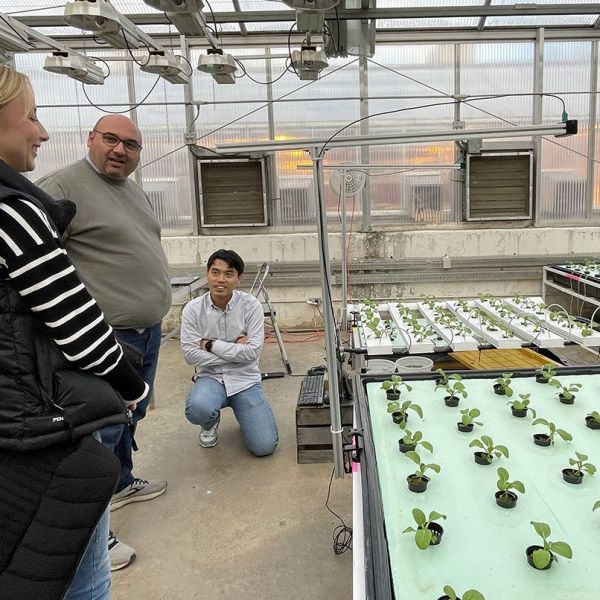
New computer vision system can guide specialty crops monitoring
The technology applies an internet of things and artificial intelligence to enhance controlled environment agriculture in advanced greenhouse scenario.
Full Article
Feb 20, 2025
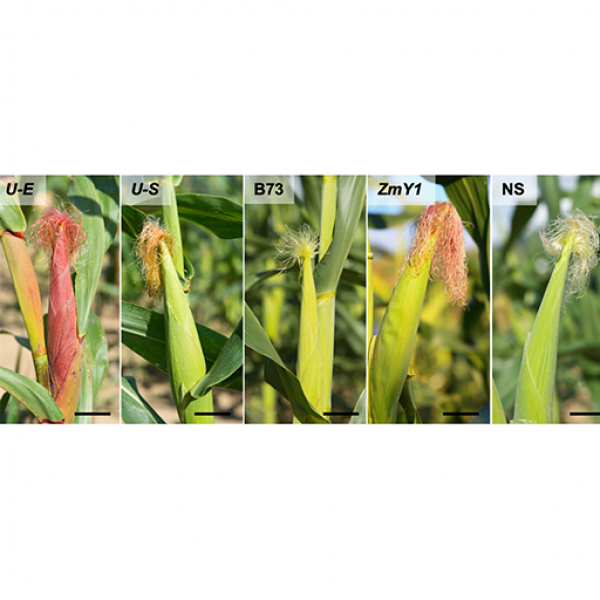
Select corn lines contain compounds that sicken, kill major crop pest
The compounds, called flavonoids, have an insecticidal effect on corn earworm larvae.
Full Article

Feb 13, 2025
Team Dynamics course to be available for Huck graduate students in Fall 2025
A unique team-building and leadership course, taught by faculty from the Smeal College of Business MBA program, is available for a limited number of Huck graduate students next fall.
Full Article
Feb 11, 2025
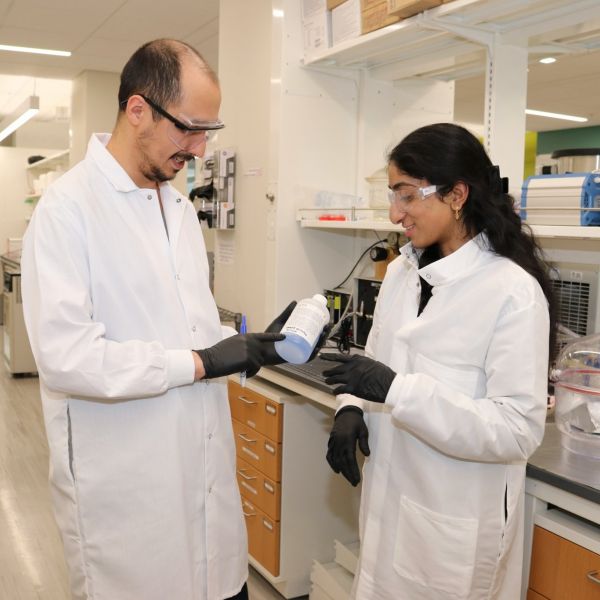
Sustainable Labs Program increases participant engagement, welcomes new labs
Two upcoming virtual sessions will cover how labs can learn more and join next year’s cohort.
Full Article